When planning a long-haul flight from Auckland to Los Angeles, families often weigh comfort against cost. With a price difference as steep as $4,300 for a family of four, Fiji Airways is drawing serious attention from budget-conscious travelers. But how does it really compare to the flagship carrier Air New Zealand? For parents traveling with young children, such as a 2-year-old and a 4-year-old, every decision—from aircraft type to layover length—matters. Below is an exhaustive, experience-driven breakdown of what to expect from both airlines.

Flight Route and Scheduling: Direct vs. Stopover Convenience
Air New Zealand operates direct flights from Auckland (AKL) to Los Angeles (LAX), eliminating any need for transfers. This option is ideal for those seeking efficiency and less in-transit time, especially valuable when flying with small children. However, direct flights often come at a premium cost, which can be hard to justify for some families.
Fiji Airways, on the other hand, offers flights with a layover in Nadi (NAN), Fiji, typically using their Airbus A330 for the AKL–NAN leg and Airbus A350 for the longer NAN–LAX route. Though the stop adds time, many families report that a layover can actually break up the journey in a helpful way, allowing children to stretch, rest, and reset before boarding again.
Cost Savings: Is $4,300 Worth the Trade-off?
A savings of $4,300 is more than a number—it’s an opportunity. That amount could easily cover:
- A multi-day stay at a top-tier Los Angeles hotel
- Entry and experiences at Disneyland or Universal Studios
- Meals, local transportation, and spontaneous splurges
With the U.S. dollar environment imposing high tipping norms and service taxes, these savings become even more significant. Parents also note that they could use some of that budget to enjoy a short holiday in Fiji—an unexpected bonus.
Aircraft Quality and In-Flight Experience
Fiji Airways Fleet: A330 and A350
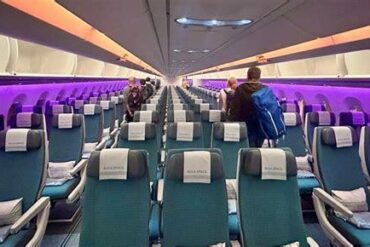
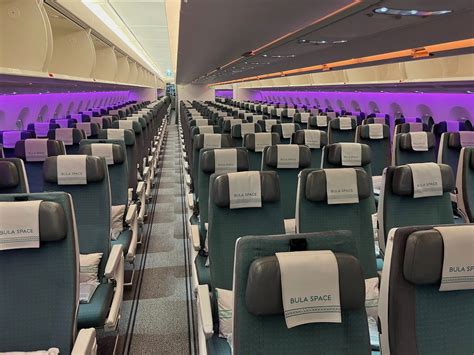
The A330 used for the short-haul AKL–NAN sector is admittedly dated by some accounts. In-flight entertainment can feel limited, especially for those used to more modern systems. However, it still provides a generous seat width and acceptable pitch, which compares favorably with Air NZ’s long-haul offerings.
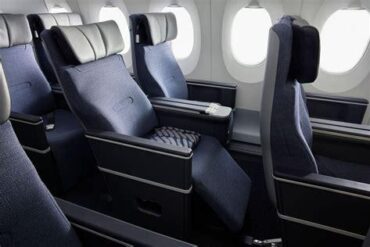
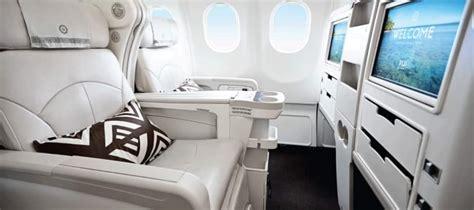
The A350, however, is a standout. This aircraft flies the NAN–LAX route and is equipped with modern seating, better air circulation, and quieter cabins—all contributing to a more restful experience.
Air New Zealand Fleet: Dreamliners and 777s
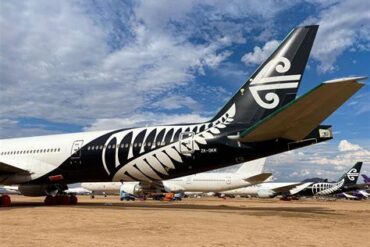
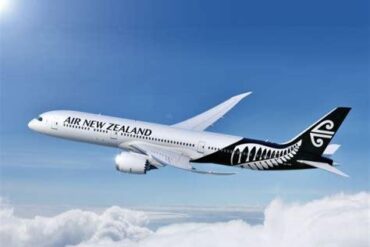
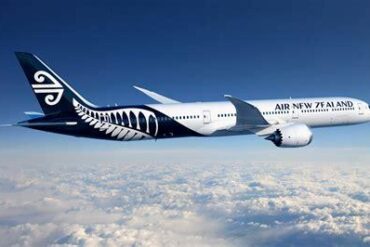
Air New Zealand often operates Boeing 787 Dreamliners or leased 777s. While the Dreamliner is known for its fuel efficiency and improved air quality, some recent travelers have reported aging interiors, particularly on the 777s. These include outdated decor and maintenance hiccups—hardly justifying the premium pricing.
Additionally, Air NZ offers the unique Skycouch option, where a row of economy seats can convert into a flat surface. This is a significant perk for families but comes at an additional cost.
Onboard Service and Child-Friendliness
Many parents report that Fiji Airways shines when it comes to service. The flight attendants are often described as warm, attentive, and especially accommodating to families with young children. There’s a palpable island hospitality that can make flying more pleasant.
Air New Zealand also offers professional service but seems to be less consistent. Some families find the experience businesslike rather than warm, though staff are helpful and responsive in resolving issues, such as delays or seating complications.
Airport Transit: Nadi Layover vs. Direct Flight
Nadi International Airport is often underestimated. It’s fully air-conditioned, features reasonably priced food, and allows travelers a moment to relax between long flight segments. Those with longer layovers can even step out and spend a night in Denarau, a popular nearby resort area.
The consensus is that this break, though optional, can enhance the trip, especially for younger travelers who benefit from structured activity changes. Stretching, walking, and even a short swim can make the final leg of the flight significantly easier.

Reliability and Operational Flexibility
A frequently cited downside of Fiji Airways is its limited contingency options in case of delays or mechanical issues. As a smaller airline, Fiji does not have the same fleet depth or re-routing capacity as Air New Zealand. However, user testimonials suggest that these issues are rare, and the overall experience remains highly positive for most.
Air New Zealand, while better resourced, is not immune to service disruptions. One traveler reported a “direct flight” from LAX to AKL making an unplanned stop in Nadi, negating the advantage of directness.
In-Flight Amenities: Wi-Fi, Entertainment, and Seating Comfort
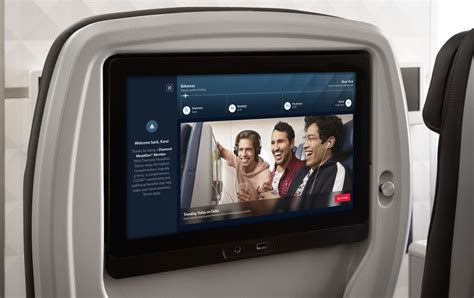
Air New Zealand typically includes free Wi-Fi, a robust entertainment system, and more varied meal options. These features can add up, especially on 12+ hour flights. For tech-savvy passengers or those reliant on staying connected, this is a key consideration.
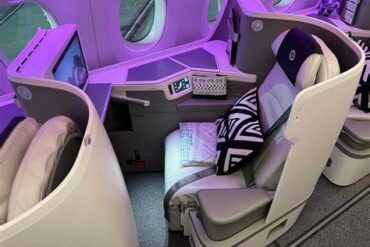
Fiji Airways is catching up fast. While Wi-Fi is not yet standard, the A350 offers modern touchscreens, USB ports, and mood lighting. On shorter legs, passengers report manageable expectations due to the brief duration.
Frequent Flyer and Upgrade Perks
If you’re a loyal flyer with Airpoints from Air New Zealand, then sticking with them could have added value. The Skycouch, extra baggage, lounge access, and airline alliance privileges (Star Alliance) are worth considering.
Fiji Airways is part of Oneworld Connect, offering more limited reciprocal perks, but still suitable for most economy travelers who aren’t chasing elite status.
Safety and Reputation
Both airlines are IOSA certified and maintain strong safety records. There are no significant red flags for either carrier in terms of safety performance, pilot training, or emergency response history.
That said, customer experience and service recovery during disruptions slightly favor Air NZ—but only when price parity exists. Once the savings margin becomes significant, the service differential becomes less persuasive.
Who Should Choose What?
Choose Fiji Airways if:
- You’re traveling with children and want a restful layover to break up the journey
- Saving thousands of dollars can substantially upgrade your destination experience
- You value excellent in-flight hospitality, even if some tech features lag behind
- You are open to spending a night in Fiji, turning transit into mini-vacation
Choose Air New Zealand if:
- You prioritize a direct flight, minimizing total travel time
- You rely on Skycouch, elite perks, or consistent onboard Wi-Fi
- You’ve had previous good experiences and prefer to avoid layovers entirely
Final Verdict: Price, Comfort, and Value for Families
While Air New Zealand remains a strong contender for premium travelers seeking direct routes and a more traditional flagship experience, the overwhelming user feedback leans in favor of Fiji Airways, especially when a substantial price difference exists.
Families, in particular, find the comfort-to-cost ratio heavily favors Fiji, with the layover serving as a strategic break rather than a burden. The opportunity to enjoy a brief island escape, paired with attentive service on the long-haul leg aboard the A350, makes this a compelling choice.
If time is not your enemy and your budget could be better used to create memories on the ground, then Fiji Airways delivers an experience that punches far above its price tag.