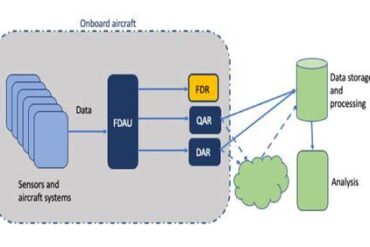
An Aircraft Condition Monitoring System (ACMS) is a key tool for predictive maintenance in aviation. It includes a flight data acquisition unit along with sensors that collect and record important information about the aircraft’s systems and components.
Condition monitoring (CM) plays a vital role in predictive maintenance. This process involves regularly measuring or continuously tracking various machine parameters to spot significant changes that may signal an upcoming failure. By doing so, operators can plan maintenance actions that help prevent failures and their consequences. Continuous condition monitoring is commonly used for rotating machinery like fans, pumps, and engines.
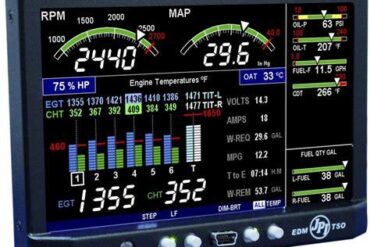
There are several types of sensors used for monitoring different parameters depending on the machinery involved. Vibration monitors are essential for rotating equipment such as engines and compressors. They detect changes in vibration, which can indicate issues like misalignment or bearing wear. Temperature monitors track engine oil, bleed air, and exhaust temperatures. Abnormal readings can signal leaks or blockages. Pressure monitors measure parameters like engine oil and hydraulic pressure. Changes here can point to failures in pumps or valves. Additionally, electrical current measurements can assess generator output and battery health. Speed measurements are also crucial, particularly for monitoring rotational speeds and other performance indicators.
CM is a maintenance approach focused on the actual condition of an asset, ensuring that maintenance is only performed when necessary. In aviation, ACMS adds a layer of safety by providing early warnings of potential failures. Typically installed during manufacturing, retrofitting an ACMS can be challenging and costly. Once operational, baseline values for various parameters are established, allowing for ongoing monitoring of any deviations that might indicate wear or degradation.
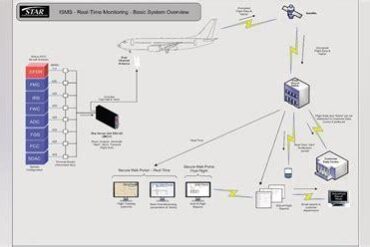
The ACMS includes quick access recorders for easy data downloading, which can be done between flights with minimal time and equipment needed. Some operators even allow flight crews to handle this task remotely. Automatic data transfer systems, like ACARS, are also common, transmitting data at set intervals or during specific flight phases. This data is often analyzed using computer systems to identify trends that might suggest pending failures, leading to timely maintenance actions.
The benefits of an ACMS are clear, particularly in enhancing safety. Early detection of potential failures can prevent serious incidents. Other advantages include improved dispatch reliability, reduced risk of collateral damage, minimized unscheduled downtime, and optimized maintenance scheduling. Overall, an ACMS helps ensure smoother operations and increased safety in aircraft management.