The airport lounge was once a sanctuary—quiet, predictable, and reliably exclusive. In 2026, that reality has shifted dramatically. What used to be a straightforward perk tied to a premium ticket or elite status has evolved into a layered ecosystem governed by algorithms, spending thresholds, and digital gatekeeping. For business travelers who rely on lounges as productivity hubs, misunderstanding these changes can mean lost time, denied entry, and unexpected costs.
This transformation didn’t happen overnight. Airlines, financial institutions, and airport operators have all responded to years of overcrowding by redesigning access rules. The result is a system that rewards strategy over status and punishes assumptions. Knowing how to navigate it is no longer optional—it’s essential.
1. Bank-Owned Lounges Are Quietly Replacing Airline Clubs
The most significant shift in the lounge landscape is the rise of bank-operated spaces. While airline lounges still dominate in visibility, the real innovation is happening elsewhere. Premium credit card issuers have built expansive lounge networks that often outperform traditional airline clubs in both design and experience.
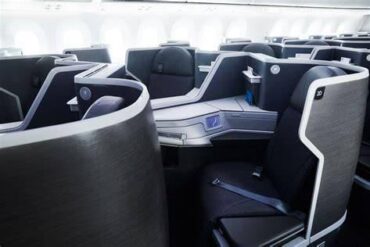
These lounges are not afterthoughts. They are carefully curated environments designed to showcase brand prestige. Travelers who instinctively head toward airline-branded lounges are often bypassing superior options just a few gates away. In major hubs, these bank lounges feature chef-driven menus, craft cocktails, and interiors that feel closer to boutique hotels than airport waiting areas.

The strategic advantage here is subtle but powerful. Access is typically restricted to high-tier cardholders with specific enrollment requirements, which naturally filters out overcrowding. This creates a calmer, more productive environment—something increasingly rare in airline-operated spaces.
For the business traveler, this means rethinking привычка. The “default lounge” is no longer the best lounge. Choosing wisely can turn a chaotic pre-flight window into a focused, high-value work session.
2. Your Premium Card Means Nothing Until You Activate It
There is a costly misconception that holding a premium credit card automatically unlocks lounge access. In reality, many travelers carry benefits they’ve never activated. In 2026, digital enrollment is not optional—it is the gatekeeper.
Programs like lounge membership networks require manual activation through card portals. Without it, even the most exclusive card becomes useless at the lounge entrance. This is not a rare oversight; it happens daily, often at the worst possible moment—standing at reception after a long journey.
The friction comes from how fragmented the system has become. Different cards connect to different lounge networks, each with its own enrollment process. Some require app downloads, others demand pre-registration, and a few even need identity verification steps before access is granted.
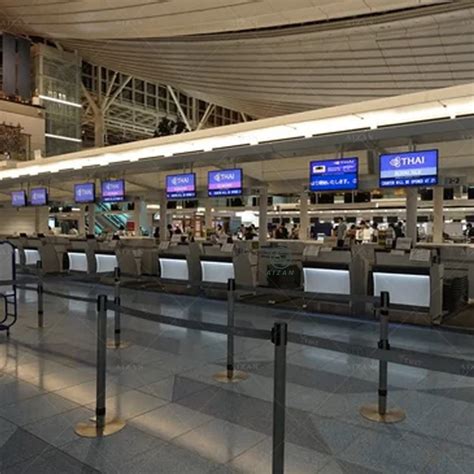
This shift reflects a broader trend: physical credentials are being replaced by digital validation. The system prioritizes those who prepare in advance. For business travelers operating on tight schedules, overlooking this step is more than inconvenient—it’s disruptive.
A simple pre-trip check can prevent this entirely. Yet many skip it, assuming their card alone is enough. That assumption is now outdated.
3. Business Class Doesn’t Guarantee Lounge Entry Anymore
The idea that a business class ticket unlocks universal lounge access is one of the most persistent myths in modern travel. In 2026, access depends less on your seat and more on the fine print of airline alliances and itinerary structure.
Airline partnerships operate under complex agreements, and lounge eligibility is often tied to your departing segment, not your entire journey. This creates unexpected scenarios where travelers arriving in premium cabins are denied access during connections if their next flight doesn’t meet specific criteria.
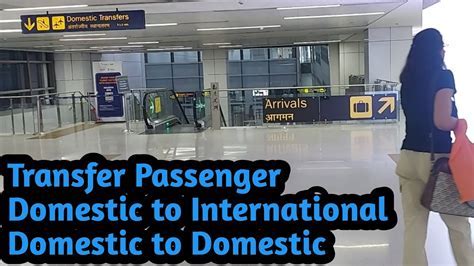
For example, a traveler flying long-haul in business class may expect continued lounge privileges during a domestic connection. However, if that onward flight is in economy—or falls under a different airline agreement—access can be denied. These inconsistencies vary across alliances, making the system difficult to predict without detailed knowledge.
The practical takeaway is clear: your ticket alone is no longer a reliable indicator of access. Understanding the structure of your itinerary is just as important as the class you’re flying. Overlooking this nuance can turn a smooth transfer into a frustrating detour.
4. Even If You Qualify, You Might Still Be Turned Away
Eligibility no longer guarantees entry. This is perhaps the most frustrating reality for frequent travelers. Overcrowding has reached a point where lounges actively manage capacity, sometimes denying access to fully eligible passengers.
To combat congestion, many lounges have introduced strict entry windows—typically limiting access to three hours before departure. Arriving early to use the lounge as a workspace is no longer a safe strategy. Instead, travelers must time their arrival precisely or risk being locked out.
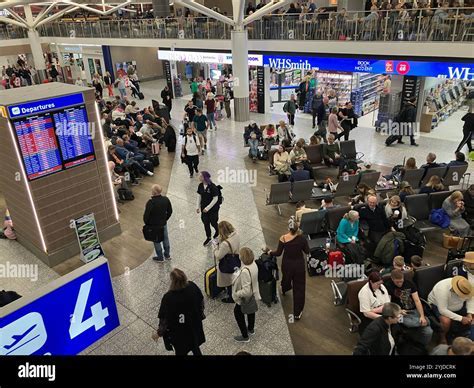
Technology plays a growing role in this process. Some operators now provide real-time occupancy tracking through mobile apps, allowing travelers to gauge crowd levels before heading to the lounge. Priority entry lanes for top-tier customers add another layer of hierarchy, reinforcing the idea that not all eligible guests are treated equally.
This shift has fundamentally changed the pre-flight routine. The lounge is no longer a guaranteed refuge—it’s a conditional privilege. Business travelers who depend on that space must now plan with precision, factoring in timing, crowd levels, and backup options.
5. “Unlimited Access” Now Comes With Expensive Strings Attached
Perhaps the most dramatic change is the redefinition of “unlimited” lounge access. What was once a standard perk has become a reward tied to high annual spending. Visit caps are now common, even among premium cardholders.
These caps can be surprisingly restrictive. Frequent travelers may exhaust their annual allotment within weeks, especially if they rely on lounges for every trip. Once the limit is reached, access either disappears or becomes a paid privilege.
To regain unlimited access, cardholders must meet significant spending thresholds—often tens of thousands annually. This transforms lounge access from a bundled benefit into a performance-based reward. The more you spend, the more access you earn.
The financial implications are substantial. For some, the math no longer works. Paying high annual fees for limited access forces a reassessment of value. For others, especially heavy spenders, the system still delivers—but only with careful optimization.
This evolution reflects a broader shift in the travel industry: exclusivity is being re-engineered through economics. Access is no longer about status alone—it’s about contribution.
The New Reality of Lounge Strategy in 2026
Airport lounges have not lost their value—but they have lost their simplicity. What was once a passive benefit now demands active management. Business travelers must think strategically, combining the right cards, understanding alliance rules, and timing their arrivals with precision.
The reward for mastering this system is still significant. A well-timed lounge visit can transform a stressful travel day into a productive, even enjoyable experience. But getting there requires awareness of the hidden rules shaping access today.
The era of effortless entry is over. In its place is a more complex, more selective environment—one that favors those who pay attention to the details.