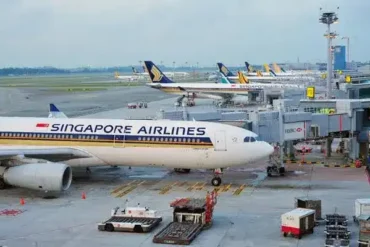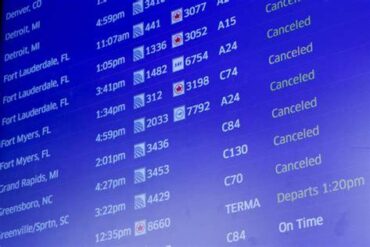
The skies over the United States are transforming in real time, as seven of the nation’s major carriers — American Airlines, Delta Air Lines, United Airlines, Southwest Airlines, JetBlue, Alaska Airlines, and Frontier Airlines — converge in a synchronized push to redefine domestic air travel. This unprecedented alignment of strategies isn’t just a coincidence; it’s a high-stakes transformation meant to supercharge the US travel industry and make nonstop access the new normal.
In a move being hailed as the most dynamic multi-carrier expansion in over a decade, these airlines are not merely adding destinations. They’re targeting secondary markets, streamlining leisure routes, and connecting overlooked business corridors, ushering in a new era of accessibility for American travelers.
The Strategic Power Play Behind Route Expansion
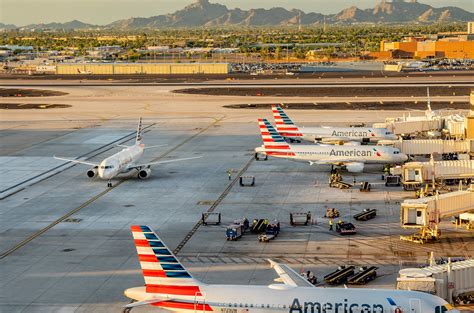
While each airline maintains its unique identity and mission, this latest wave of route additions reveals a coordinated shift in the airline ecosystem. American is leading the pack with bold expansions from Phoenix Sky Harbor International Airport, a key hub in the Southwest. New daily services to Sun Valley, Idaho; Santa Maria, California; and Fort Myers, Florida are just the beginning.
- Santa Maria, CA: Twice-daily, year-round service using the Bombardier CRJ900 aims to capture California-bound leisure and wine tourism.
- Sun Valley, ID: Daily seasonal CRJ700 flights from December through April cater to skiers and alpine adventurers.
- Fort Myers, FL: Daily Boeing 737 service launches November 20, perfectly timed for Thanksgiving and winter holiday demand.
This focused deployment from Phoenix aligns with broader industry trends: Americans are shifting their attention to regional getaways, seasonal adventures, and short-haul leisure escapes. American Airlines is seizing the moment by placing strategic bets on high-demand, low-competition destinations.
Airlines Are Racing for Relevance, Not Just Revenue
Delta and United are also reshaping their networks to capture underserved markets. Delta is prioritizing innovation in its route mapping, while United focuses on reconnecting medium-sized cities with nonstop flights that offer serious convenience for both business and leisure travelers. Southwest, long known for democratizing air travel, is now doubling down on point-to-point leisure routes, reducing dependency on large hubs.
JetBlue and Alaska are enhancing their West Coast presence with new city pairs that bring freshness to their otherwise saturated markets. Frontier, always ready to disrupt, is pushing new low-cost routes to places that used to be deemed financially unviable.
Together, these moves aren’t competitive battles—they’re chapters in a larger narrative of transformation. The goal isn’t just to sell seats. It’s to reshape behavior, rebuild trust post-pandemic, and reintroduce the possibility of spontaneous, seamless travel.
Phoenix Sky Harbor: The New Launchpad of Travel Ambitions
American Airlines’ selection of Phoenix Sky Harbor as its strategic launchpad is no accident. With over 250 daily departures, the airport is already among the busiest in the West. But these new additions — especially to niche markets — signal a calculated pivot to smart growth.
What makes Phoenix so attractive? It’s the perfect launch point to access coastal escapes, mountain retreats, and Sunbelt destinations — all with a single nonstop hop. As American positions Phoenix as the “gateway to convenience,” it sends a clear message to its competitors: adapt or get left behind.
Timing Is Everything: Capturing Peak Seasons with Precision
The rollout of new routes from October through January is surgical in its precision. Each destination is designed to capture peak travel windows:
- Fall foliage and early ski season demand surges between October and December.
- Thanksgiving and winter holidays remain some of the busiest travel periods of the year.
- Post-New Year leisure escapes from cold cities to beach locales boost bookings in January.
American’s decision to begin Sun Valley service on December 18 — right before peak ski season — and to cut Fort Myers flights briefly between December 3–18 shows keen operational awareness of seasonal demand curves.
Why Travelers Should Care: Nonstop Travel Means Freedom
For the average traveler, this sweeping expansion means one thing above all: freedom.
No longer must weekend adventurers endure two-leg journeys with long layovers. No longer must business flyers compromise schedules due to limited access.
This new era brings:
- Shorter travel times with nonstop options
- More flexible vacation planning
- Better utilization of travel days
- Reduced travel stress for families and remote workers alike
From Phoenix to Sun Valley, from Boston to Austin, this route revolution removes friction from the equation and replaces it with fluid, efficient movement.

Economic Ripple Effect: Local Economies Get a Lift
The arrival of new nonstop flights isn’t just about passenger convenience — it’s a boon to local economies. Secondary cities like Santa Maria and Sun Valley are about to experience a spike in tourism dollars.
- Hotels and resorts see increased occupancy rates.
- Restaurants and shops enjoy higher foot traffic.
- Local tourism boards benefit from new marketing avenues.
- Jobs get created to support the tourism surge.
Fort Myers, still rebuilding its economy post-hurricanes, will especially benefit from consistent tourist flow. These cities aren’t just destinations anymore; they’re growth engines.
A Broader Movement: Every Major Airline Is Now Involved
While American leads the charge, the expansion is industry-wide. Here’s how other carriers are engaging:
- Delta: Targeting premium routes and business corridors
- United: Connecting mid-sized cities to national hubs
- Southwest: Amplifying point-to-point leisure connectivity
- JetBlue and Alaska: Serving coastal and underdog destinations
- Frontier and Spirit: Driving ultra-low-cost route innovation
- Breeze and Avelo: Breaking into regional airports with high-frequency service
This collective push brings competitive pricing, increased perks, and diversified loyalty programs, all driven by the battle for the next loyal flyer.
The Era of Nonstop Prosperity Is Just Beginning
What we’re witnessing is not a seasonal trend. It’s a systemic shift in how airlines approach domestic travel. And it’s a win for everyone involved — especially passengers. Expect to see:
- More announcements connecting regional cities
- A rise in dual-purpose routes serving both business and leisure
- Airlines fighting to turn smaller airports into competitive hubs
With airlines becoming smarter, leaner, and more passenger-focused, the U.S. air travel industry enters an age where the default is nonstop, and the experience is no longer just about the destination — but the journey itself.

Final Thoughts: The Skies Are No Longer the Limit
Air travel in 2025 is more than a return to form—it’s a reinvention. American, Delta, United, Southwest, JetBlue, Alaska, and Frontier aren’t just building routes. They’re building bridges between lives, work, rest, and adventure. Their synchronized momentum marks a new era of travel prosperity.
So whether you’re heading to a vineyard in Santa Maria, carving snow in Sun Valley, or chasing sunshine in Fort Myers, one thing is clear: the journey just got a lot easier.
Keep your bags packed. The next nonstop route announcement could take off from your city.