In 2026, the transatlantic aviation sector is poised for a significant expansion, marking a resurgence of connectivity between the United States and Europe, the Middle East, and Africa. Fourteen global and domestic airlines are charting bold new paths with 37 newly introduced or resumed routes, reshaping air traffic patterns and offering travelers more options than ever before. This surge signals not just a return to pre-pandemic confidence, but a strategic realignment of airline priorities in response to evolving travel demand, alliance leverage, and aircraft efficiency.
Alaska Airlines Enters the Transatlantic Arena
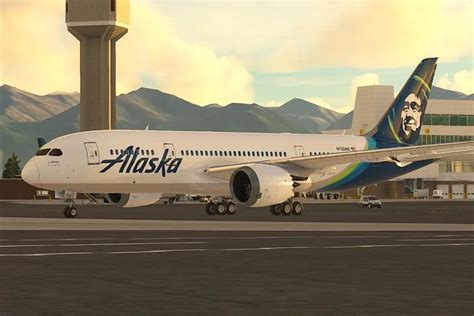
A headline-grabbing development in this expansion is Alaska Airlines’ debut in the transatlantic market. The Seattle-based oneworld member will initiate flights from its home hub to London Heathrow, Rome Fiumicino, and Keflavik, Iceland. These mark Alaska’s first intercontinental foray across the Atlantic, placing it in direct competition with legacy carriers already entrenched in these lucrative corridors. This move underscores Seattle’s growing importance as a West Coast international gateway.
JetBlue Expands European Network With Longest-Ever Flights
JetBlue continues its bold European venture with two major additions from Boston: Barcelona and Milan Malpensa. These services will represent the longest flights in JetBlue’s network, pushing its narrowbody A321LRs to their operational limits. The strategic choice of Milan and Barcelona reflects both cities’ status as strong leisure and business markets, especially with limited nonstop competition from the U.S. Northeast.
American Airlines Bets Big on Cultural Capitals
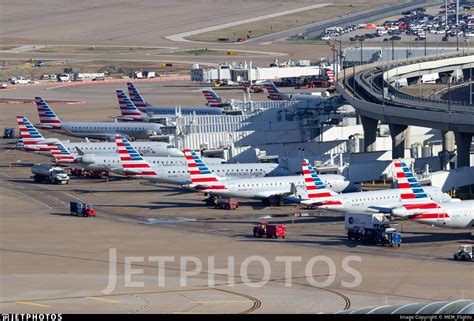
American Airlines will resume and launch multiple routes from key hubs. Dallas/Fort Worth gains service to Athens and Zurich, the latter returning after a hiatus since 2007. Miami connects again with Milan Malpensa, while New York JFK welcomes flights to Tel Aviv and Edinburgh, both of which were previously suspended. Notably, Philadelphia regains links to Budapest and Prague, reconnecting key Central European markets with the East Coast.
These additions reinforce American’s emphasis on seasonal European leisure markets, capitalizing on summer demand and alliance synergies with oneworld members.
Delta Unveils Ambitious Transatlantic Portfolio
Delta Air Lines is rolling out a comprehensive 13-route transatlantic push, the largest of any U.S. carrier in 2026. Key highlights include:
- Atlanta to Riyadh: a completely new destination, targeting Middle East business travel.
- Boston to Madrid and Nice: expanding Delta’s European leisure focus.
- JFK to Malta, Olbia, and Porto: tapping into niche Mediterranean destinations.
- Seattle to Rome and Barcelona: establishing a dual-city expansion from the Pacific Northwest.
Several of these destinations, such as Malta and Olbia, will be receiving their first-ever U.S. nonstop links, opening new tourism corridors and highlighting Delta’s bold risk appetite.
United Airlines Prioritizes Unique Markets
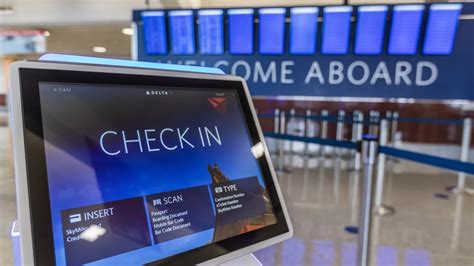
While more measured in its 2026 rollout, United Airlines remains highly strategic. It will open five new routes:
- Newark to Bari, Santiago de Compostela, and Split: all first-time connections.
- Newark to Glasgow: a resumed link after a multi-year pause.
- Washington Dulles to Keflavik: adding to the growing U.S.–Iceland bridge.
Each route except Glasgow is a new market from North America, aligning with United’s focus on second-tier European cities that offer high tourism potential with low competition.
European and Middle Eastern Carriers Join the Surge
The transatlantic wave isn’t limited to U.S. airlines. Ten new routes will be inaugurated by non-U.S. carriers, reflecting a strong commitment to North American expansion:
- Aer Lingus adds Dublin to Pittsburgh and Raleigh/Durham, using the fuel-efficient A321XLR.
- British Airways introduces London Heathrow to St. Louis, reviving a historical connection.
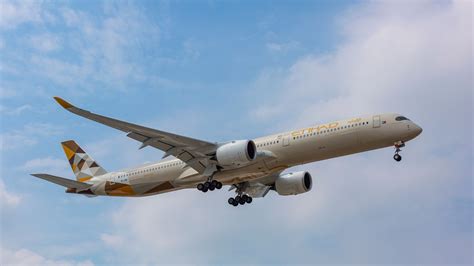
- Etihad Airways launches a high-profile Abu Dhabi to Charlotte service, expanding its U.S. footprint.
- Iberia initiates Madrid to Newark, while HiSky (a Moldovan low-cost carrier) connects Bucharest to Chicago O’Hare.
- ITA Airways starts Rome to Houston, establishing Houston’s first-ever Rome link.
- LOT Polish Airlines inaugurates Warsaw to San Francisco, bridging a vital tech-travel route.
Royal Air Maroc Restores African Links to Los Angeles
One of the most compelling new routes comes from Royal Air Maroc, which will connect Casablanca to Los Angeles for the first time in seven years. Scheduled to begin in June using a Boeing 787-8, the flight will run three times weekly. Despite limited local market demand (12,000 round-trip passengers annually), the carrier is banking on feed traffic from secondary African cities like Accra, Lagos, and Cairo.
The schedule, however, poses challenges. A 4:00 AM departure from Morocco and a seven-hour layover for westbound travelers may impact yields. Yet, this route is vital in reestablishing African transatlantic presence on the U.S. West Coast.
Royal Jordanian Sets Longest Route in Its Network
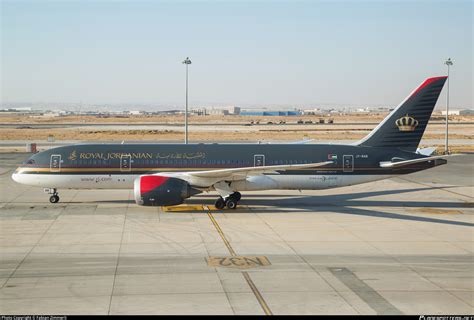
Royal Jordanian will debut Amman to Dallas/Fort Worth, clocking in at over 6,114 nautical miles, making it the airline’s longest nonstop route. Scheduled for four weekly flights starting in May, this route is a strategic expansion within the oneworld alliance, and reflects the deepening ties between the Middle East and major U.S. hubs.
A Shifting Competitive Landscape in 2026
While this report focuses on new and resumed services, it’s worth noting that 15 airlines have withdrawn 27 routes in the same period. Several of these removals stem from the collapse of Icelandic low-cost carrier PLAY, and others represent seasonal consolidations or performance-based cuts.
Nonetheless, the net gain underscores positive momentum in transatlantic demand and airline confidence. The proliferation of narrowbody long-range aircraft like the Airbus A321XLR is also instrumental, enabling airlines to connect smaller markets with thinner demand profiles profitably.
Conclusion: More Choice, Greater Reach, Elevated Competition
The 2026 transatlantic expansion is more than just a numerical increase in routes—it’s a strategic recalibration. Airlines are leveraging partnerships, advanced aircraft, and city pair analysis to tap new demand pockets. This surge will dramatically enhance connectivity, improve competitive dynamics, and offer passengers a wealth of new travel options across continents.
The transatlantic boom is back—and it’s bigger, broader, and more dynamic than ever before.