The global travel industry is undergoing a seismic shift this summer, with Vietnam, Indonesia, South Korea, Italy, Singapore, Thailand, Australia, China, and India emerging as key players in a sweeping surge of international tourism. Vietnamese airlines are riding the crest of this wave, boldly launching a slate of new routes to meet overwhelming passenger demand and positioning Vietnam as a pivotal hub in the international aviation landscape.
Vietnamese carriers, especially Vietnam Airlines and Vietjet Air, are tapping into the explosive growth in global travel with precision and ambition. Their expansion strategies are not only elevating Vietnam’s global connectivity but also redefining how Southeast Asia engages with long-haul and regional markets.
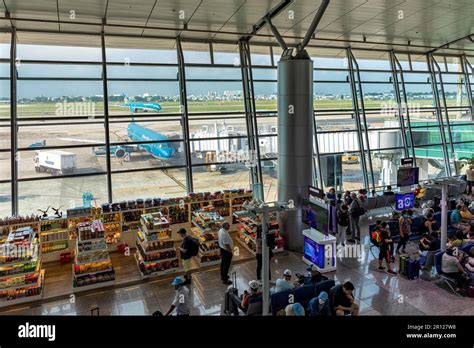
Vietnam Airlines Strengthens Its Global Footprint with Strategic Long-Haul and Regional Routes
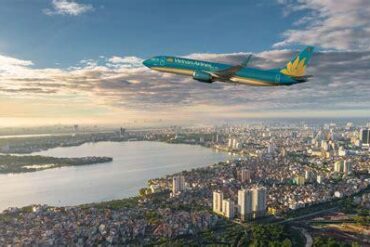
At the helm of this expansion is Vietnam Airlines, Vietnam’s national flag carrier, which is rapidly extending its reach to major global destinations. In response to skyrocketing demand, the airline has embarked on a bold strategy to introduce direct services to high-traffic markets across Europe, Australia, and Asia.
One of the most noteworthy additions is the launch of a nonstop service from Ho Chi Minh City to Bali, Indonesia. Originally introduced with four weekly flights, the airline quickly increased this to daily service by July, signaling robust consumer interest in the popular Indonesian destination.
Simultaneously, Vietnam Airlines is catering to the lucrative South Korean travel market. The new direct route between Nha Trang and Busan offers South Korean tourists direct access to Vietnam’s picturesque central coast, renowned for its beaches and cultural richness. This service underscores a sharp strategic focus on high-demand corridors with strong bilateral tourism flows.
Another historic move is Vietnam Airlines’ decision to connect Hanoi and Milan through its first-ever direct flights to Italy. Slated for launch in July, this route establishes a fresh transcontinental air bridge and marks Vietnam Airlines’ deepening European presence. The airline is already considering a second route between Ho Chi Minh City and Milan, projected to launch after 2025, further reinforcing Vietnam’s growing economic and cultural ties with Italy.
Expanding Southeast Asian Networks to Meet Regional Demand
Vietnam Airlines’ ambitions extend beyond long-haul expansion. The airline is simultaneously bolstering its intra-Asian connectivity, focusing on popular regional routes to capture the summer peak.
Between June and October, the Ho Chi Minh City–Singapore route is increasing from fourteen to eighteen weekly flights. In parallel, the Ho Chi Minh City–Bangkok route will scale from four to five daily flights starting August 18. These expansions reflect strong travel patterns within ASEAN and indicate Vietnam’s efforts to capture a larger share of regional tourism and business travel.
In total, Vietnam Airlines is preparing for an exceptionally busy summer, planning over 43,000 flights and nearly nine million seats, representing a 14% increase from the same period last year. To manage this volume, the airline is adding more early-morning and late-night flights, giving passengers greater flexibility in their travel schedules.
Vietjet Air: Dominating Low-Cost International Travel
While Vietnam Airlines targets premium and long-haul travelers, Vietjet Air, the country’s premier low-cost carrier, is executing an equally aggressive international expansion.
One of its boldest moves is the mid-June launch of direct flights between Ho Chi Minh City and Brisbane, Australia. Operating on Mondays and Fridays, the service meets the rising appetite among Australian travelers for affordable, direct access to Vietnam’s bustling southern metropolis.
Vietjet has also tapped into demand for tropical island getaways by launching new service between Singapore and Phu Quoc. Operating four times a week, this route promotes Phu Quoc as an ideal leisure destination and opens Vietnam’s island tourism to international markets.
Meanwhile, in the vast Chinese market, Vietjet is strengthening its footprint by launching new routes from Hanoi to Chengdu and Xi’an in July. These services cater to Chinese travelers interested in cultural tourism, shopping, and beach holidays in Vietnam. Vietjet is simultaneously increasing flight frequencies on its routes to India, Australia, and South Korea, responding to sustained demand across these key markets.

This summer alone, Vietjet plans to operate over 1,600 flights, offering more than 400,000 seats. This represents a major logistical undertaking, emphasizing the airline’s operational scale and its commitment to serving the booming market for affordable international travel.
Demand Soars Despite Operational Challenges
Vietnam’s aviation sector is flying high, but it is not without turbulence. One of the most pressing issues facing both Vietnam Airlines and Vietjet is the global aircraft supply chain disruption—a consequence of ongoing recalls involving Pratt & Whitney engines. This issue has grounded a number of Airbus A321 aircraft, temporarily restricting seat availability at the height of the travel season.
Despite this, both airlines have responded proactively. Aircraft substitutions, leased capacity, and optimized flight schedules are being deployed to maintain reliability and continuity in service. These efforts highlight the airlines’ agility in navigating industry-wide disruptions while still pursuing aggressive growth.
Vietnam’s Strategic Position in the Global Aviation Map
What makes this travel boom particularly transformative is how it repositions Vietnam as a central aviation hub linking Asia, Australia, and Europe. The nation is no longer just a destination but a launchpad for wider global connectivity. This rise comes at a time when regional giants like Singapore, South Korea, and Thailand are also ramping up travel capacity, adding to the dynamic competitive landscape.
Yet Vietnam’s proactive approach — combining full-service luxury and low-cost accessibility — is giving it a competitive edge. As Vietnamese airlines open new routes and scale up frequencies, they are actively courting both inbound and outbound passengers, reinforcing Vietnam’s strategic importance on the global travel map.
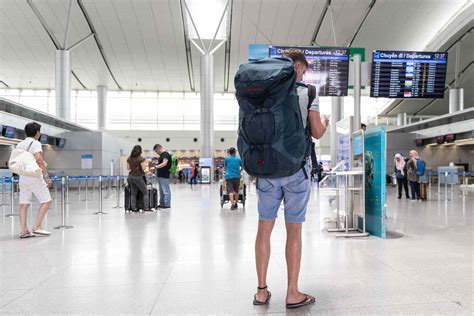
The summer of 2025 is set to go down as a landmark in Vietnam’s aviation history. With a blend of calculated risk-taking, operational scaling, and customer-centric route development, Vietnamese carriers are laying the foundation for sustained international growth.
Conclusion: Vietnam Takes Off as Global Demand Soars
The unfolding international travel boom is more than a seasonal surge — it’s a structural shift in how the world travels. For Vietnam, this is both an opportunity and a proving ground. Airlines like Vietnam Airlines and Vietjet are not just meeting demand — they’re setting the pace for a new era of aviation connectivity.
As Vietnam strengthens its air links with Indonesia, South Korea, Italy, Singapore, Thailand, Australia, China, and India, it is forging deeper global relationships that promise long-term economic and cultural benefits. While aircraft supply chain issues remain a hurdle, the overall trajectory is unmistakably upward.
This summer marks a defining moment. With new routes, expanded services, and record-breaking passenger volumes, Vietnam’s airline industry is writing the next chapter in international aviation — bold, ambitious, and distinctly global.