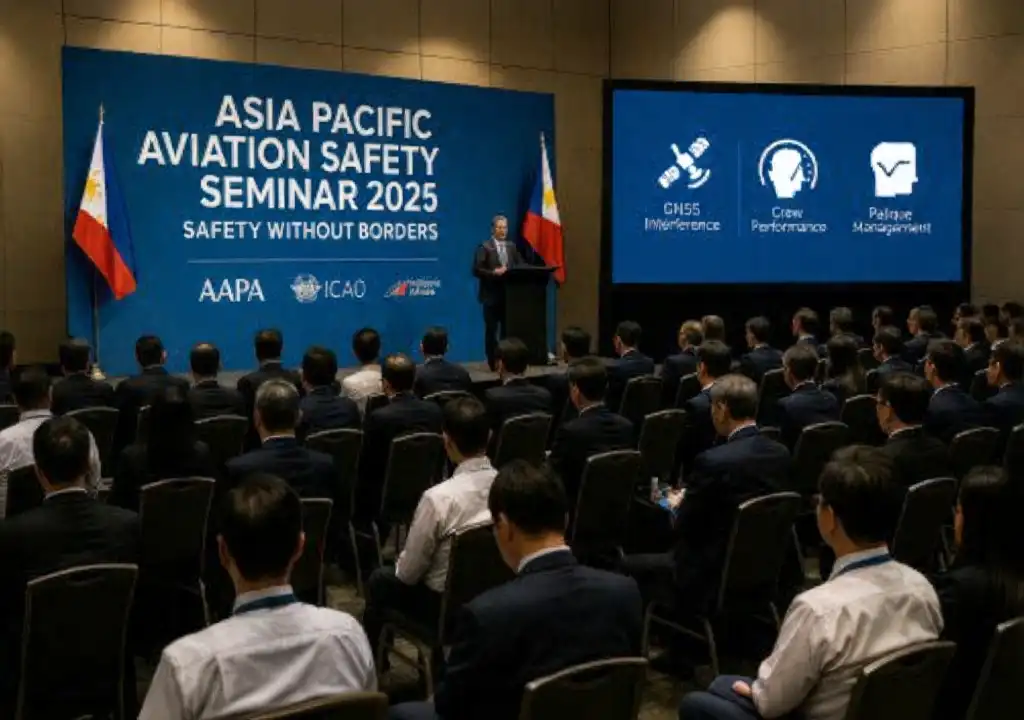
The Asia Pacific Aviation Safety Seminar 2025 (APASS 2025) is set to take place in Manila, Philippines, on September 10-11, 2025, bringing together over 200 aviation safety professionals from across the globe. Organized by the Association of Asia Pacific Airlines (AAPA), this pivotal conference will focus on the theme “Safety Without Borders: Global Partnerships, Local Impact”. This gathering presents a vital opportunity to engage in discussions about pressing safety issues and coordinated strategies among various stakeholders within the aviation industry.
As the aviation sector continues to evolve, the challenges associated with aviation safety are becoming increasingly complex. APASS 2025 will address some of the most critical safety challenges impacting the industry today, with a strong emphasis on aviation safety leadership, culture, and crew performance. These elements are essential in shaping decision-making processes, particularly in conditions that are unpredictable and subject to change. The seminar will delve into how these factors affect not only flight operations but also the well-being of the traveling public.
In light of the ever-changing dynamics of aviation, one of the focal points of APASS 2025 will be fatigue management. The seminar will explore the role of cabin crew, maintenance procedures, and dispatch operations in mitigating fatigue and ensuring safe air travel. This comprehensive approach underscores the importance of a collaborative mindset when addressing safety concerns across various operational domains.
APASS 2025 aims to foster an optimistic dialogue that harmonizes immediate safety requirements with longer-term considerations. As the aviation landscape has been reshaped over the past decade by emerging technologies, evolving regulations, and a burgeoning passenger base, it becomes imperative to facilitate discussions that encapsulate both current realities and future aspirations in aviation safety.
New Holistic Features in Aviation Safety
To address the myriad facets of aviation safety, APASS 2025 will introduce several innovative seminar enhancements. Among these are dedicated sessions focused on Flight Operations and Cabin Safety, where the interplay between technological advancements and human factors will be critically examined. By concentrating on specific safety challenges unique to different operational areas, the seminar promises to offer a holistic view on pressing safety topics.
One of the standout features of the event will be the roundtable discussions involving regional jet and turboprop operators. Smaller operators often face unique challenges in enforcing safety regulations, and these roundtables will provide a platform for them to engage with industry leaders. By sharing experiences and best practices, participants can collaborate to identify solutions that enhance safety across the board. As stated by an AAPA representative, “We believe the real-world context that results from these discussions will further drive the seminar’s success and ensure that it serves the industry, regardless of the size of an operator’s market.”
Endorsements and Global Support
The significance of APASS 2025 is underscored by endorsements from esteemed organizations such as the Flight Safety Foundation and the International Civil Aviation Organization (ICAO). These endorsements not only enhance the credibility of the seminar but also align discussions with international safety standards and practices. With the aviation sector being one of the fastest-growing industries, especially within the Asia-Pacific region, the backing of such reputable entities highlights the urgent need for a collective response to global safety challenges.
The contributions from these organizations will play a crucial role in shaping the seminar’s agenda, ensuring that the outcomes resonate with the entire aviation community. As the industry grapples with rapid expansion, the need for harmonized safety approaches becomes increasingly clear. As Subhas Menon, the AAPA’s director general, emphasized, the expansion of aviation activities in the region calls for the development of common strategies that enhance transparency and foster trust among all stakeholders.
The Need for Worldwide Cooperation in Aviation Safety
The complexities of aviation safety extend beyond national borders. Issues such as pilot fatigue, aircraft maintenance, and crew training are challenges that cannot be effectively addressed by individual countries or companies in isolation. To tackle these pressing issues, the aviation industry must maintain ongoing dialogues, share expertise, and agree on international safety standards. APASS 2025 serves as a key platform for fostering these discussions and establishing a roadmap for the future of aviation safety, both regionally and globally.
The need for collaborative frameworks in aviation safety has never been more urgent. As the Asia-Pacific region is recognized as the growth engine of the global aviation industry, finding viable solutions to safety concerns through collaboration is essential. APASS 2025 will provide a fertile ground for aviation safety leaders and professionals to strategize and address both regional and global oversight challenges.
Conclusion: Crafting the Future of Aviation Safety
As we look ahead, the importance of developing collaborative safety models that can adapt to the rapidly changing aviation environment cannot be overstated. Through its focus on collaboration, innovation, and the establishment of common safety standards, APASS 2025 is poised to play a pivotal role in shaping the future of aviation safety. By bringing together experts from diverse sectors of aviation, the seminar aims to build a safer and stronger future for all stakeholders involved, ensuring the safety of passengers and crew alike.
In conclusion, APASS 2025 stands as a beacon of hope and progress in the aviation safety landscape, promising to catalyze meaningful change and foster a spirit of cooperation that transcends borders.