The United States has expanded its Ebola containment strategy by adding Hartsfield–Jackson Atlanta International Airport to a growing list of designated health screening entry points for travelers arriving from countries affected by the latest Ebola outbreak in Central Africa. The decision comes as health authorities intensify monitoring efforts following rising infection numbers linked to the Bundibugyo strain of the virus in the Democratic Republic of Congo.
Federal officials confirmed that the airport, recognized as the busiest passenger hub in the world, officially began enhanced public health screening operations late on May 22. The move places Atlanta alongside Washington Dulles International Airport and George Bush Intercontinental Airport as the three primary US gateways authorized to process travelers who have recently visited Ebola-affected regions.
The expansion reflects growing concern among global public health agencies as the outbreak in the Democratic Republic of Congo continues to escalate. According to international monitoring data, the outbreak has already resulted in dozens of confirmed cases and hundreds of suspected infections and deaths, prompting governments worldwide to tighten border health procedures and enhance traveler surveillance systems.
Atlanta Airport Becomes Critical Frontline In Ebola Monitoring
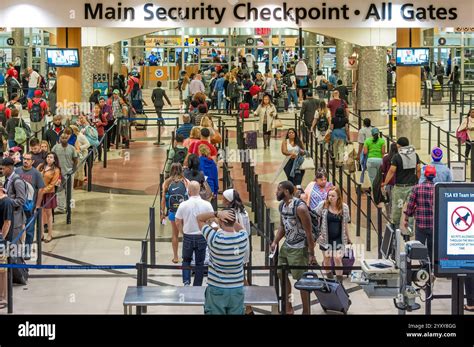
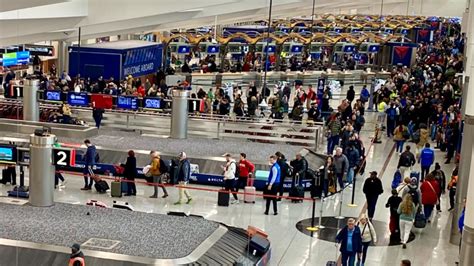
As the operational headquarters of Delta Air Lines and one of the most connected aviation hubs on Earth, Atlanta’s airport plays a uniquely important role in the US transportation network. Tens of millions of domestic and international passengers pass through the airport annually, making it a strategic location for public health authorities attempting to intercept potential Ebola exposure before infected travelers can enter broader communities across the country.
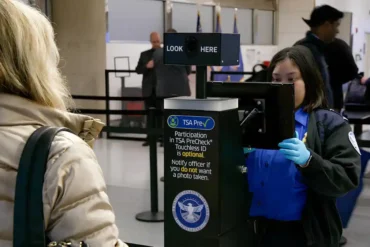
The Centers for Disease Control and Prevention structured the enhanced screening program as part of a layered defense system rather than a blanket inspection regime. Officials emphasized that the measures specifically target travelers with recent travel histories connected to outbreak zones, including the Democratic Republic of Congo, Uganda, and South Sudan. Screening procedures involve travel history verification, health questionnaires, temperature monitoring, and coordination with airline passenger manifests.
Atlanta’s inclusion in the program is not unprecedented. During previous international health emergencies, including earlier Ebola outbreaks and pandemic-related travel crises, the airport participated in enhanced disease monitoring initiatives. Existing infrastructure and prior operational experience reportedly made Atlanta an ideal candidate for rapid integration into the CDC’s latest containment strategy.
The screening initiative also relies heavily on collaboration between airlines, customs agencies, airport authorities, and international health partners. Airlines are required to notify authorities about potentially ill passengers before arrival, allowing CDC personnel to prepare isolation and assessment protocols before aircraft land on US soil.
Why The CDC Expanded Ebola Airport Screening Operations
The latest expansion underscores mounting fears surrounding the spread of the Bundibugyo strain of Ebola, a less common but still highly dangerous variant of the virus. Although no confirmed Ebola cases have emerged in the United States, health authorities remain concerned about the speed at which international air travel can move infectious diseases across continents in a matter of hours.
Federal health officials outlined several major objectives behind the enhanced airport screening measures. The first is straightforward containment. Ebola remains one of the deadliest viral hemorrhagic fevers in the world, with mortality rates capable of reaching alarming levels during uncontrolled outbreaks. Preventing infected individuals from entering densely populated areas remains a top national security and public health priority.
Another key objective involves identifying travelers who may have unknowingly been exposed to the virus during recent travel. Authorities are closely reviewing passport records, flight itineraries, and immigration documentation for anyone who has visited affected countries within the previous 21 days, which corresponds to Ebola’s incubation period.
The US government has also imposed temporary entry restrictions affecting certain non-citizens connected to outbreak regions. These restrictions fall under Title 42 public health authority powers, allowing emergency measures during infectious disease events considered significant threats to national health security.
Houston, Atlanta, And Dulles Now Form Core Ebola Entry Network
Under the updated CDC framework, travelers entering the United States after visiting Ebola-affected countries must route through one of the three designated airports. Even indirect itineraries involving transit through Europe, the Middle East, or other African nations may still trigger mandatory screening procedures if passenger records indicate recent presence in high-risk zones.
This requirement dramatically increases the operational importance of airports in Atlanta, Houston, and Washington Dulles. Each facility now serves as both an aviation gateway and a frontline public health checkpoint tasked with identifying potential exposure risks before travelers continue onward to domestic destinations.
The policy also increases pressure on airlines operating long-haul international networks. Carriers must now coordinate more closely with border authorities and public health agencies to ensure compliance with evolving health directives. Failure to properly identify restricted passengers can result in costly diversions, denied entry cases, and operational disruptions.
One recent incident highlighted the seriousness of the enforcement measures. An Air France flight traveling from Paris Charles de Gaulle Airport to Detroit Metropolitan Wayne County Airport was denied normal entry procedures after US authorities identified a passenger linked to the Ebola-affected region.

The aircraft was ultimately diverted to Montréal–Trudeau International Airport, where Canadian health officials conducted additional screening procedures. Reports later indicated that the traveler should not have boarded the flight under existing restrictions and was ultimately returned to the point of origin.
Title 42 Powers Revived As Ebola Concerns Intensify
The CDC’s decision to invoke Title 42 authority marks one of the strongest federal public health responses seen since earlier pandemic-era border controls. The emergency measure temporarily restricts entry for certain non-citizens who have recently traveled through high-risk Ebola outbreak zones, with the order expected to remain active for at least 30 days.
Officials from the Department of Homeland Security and Customs and Border Protection continue working alongside international partners to track potentially exposed travelers before they board flights bound for North America. Advanced passenger data systems, immigration databases, and airline booking records are all being used to identify possible risk cases before arrival.
For aviation authorities, the situation represents another reminder that airports now function as critical components of global biosecurity infrastructure. Modern international aviation networks connect nearly every major city on Earth within a single day of travel, making rapid disease containment dependent not only on hospitals and laboratories, but also on airports, airlines, and border control systems operating in coordination.