A Comprehensive Payment System Upgrade
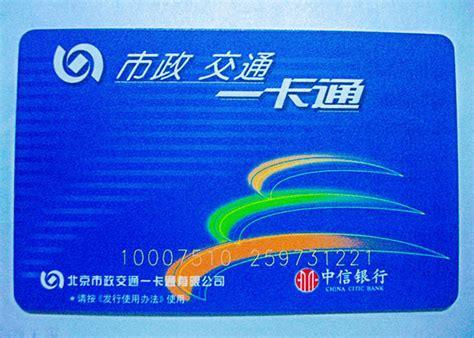
The extensive upgrade spans the entirety of the Beijing metro network, which boasts an impressive 29 urban lines and 523 stations, along with the S2 suburban railway. Passengers can now enjoy the ease of entering or exiting the metro at any gate by merely tapping their contactless bank card. This advancement eliminates the traditional need for purchasing paper tickets or managing local transit cards, a process that often posed challenges for non-resident users. The service operates around the clock, providing exceptional utility for early morning and late-night travelers who may encounter long queues or closed ticket counters.
Enhancing the Visitor Experience
The underlying goal of this modernization initiative is to simplify public transport for both residents and the increasing number of foreign visitors arriving in China’s capital. By adopting a globally recognized standard for payment convenience, Beijing not only improves its tourist appeal but also reinforces its status as a leader in smart urban infrastructure. Whether commuting to the bustling city center, attending international events, or heading to the airport, passengers can now travel with unprecedented ease using familiar card options from their home countries.
User-Friendly Features for Global Travelers
In addition to the tap-to-ride functionality available at gates, the newly implemented system permits foreign bank cardholders to purchase or reload metro tickets at self-service kiosks scattered throughout the subway system. This feature is particularly beneficial in reducing language barriers and minimizing confusion at ticket counters, especially during peak hours when crowds are likely to create congestion. The user interfaces on these kiosks have been designed to support multiple languages, making the ticketing process more straightforward for non-Mandarin speakers.
Multilingual Accessibility
To further enhance accessibility, multilingual signage has been installed across key metro stations, providing clear guidance to international riders navigating the subway environment. These updates are part of a broader initiative aimed at elevating the overall passenger experience and ensuring that Beijing’s transport services remain inclusive and technologically advanced. The city is committed to creating an environment where public transport is not only efficient but also user-friendly for everyone, regardless of their linguistic background.
Previous Developments Leading to This Milestone
This latest development is a culmination of earlier efforts to improve transit access for global users. In September 2024, the integration of Mastercard and Visa was introduced, marking a significant milestone that allowed many international travelers to experience seamless tap-to-ride functionality for the first time in Beijing. The recent June 2025 update completes this integration by enabling full compatibility with JCB and American Express, solidifying the Chinese capital’s position as a pioneer in offering comprehensive acceptance of all major global card brands.
Expanding Global Reach
Since the introduction of the contactless card program, the Beijing metro system has successfully processed card payments from over 130 countries and regions. This widespread adoption underscores the high demand for universally accepted payment methods in public transportation and highlights Beijing’s forward-thinking approach in meeting this demand. The ability to utilize a variety of international cards is a game changer for tourists, making their travels smoother and more enjoyable.
Future Enhancements on the Horizon
Officials have indicated that this achievement is just one of several enhancements planned for the city’s transit infrastructure. Looking forward, additional improvements are in the pipeline, including expanded compatibility with mobile wallet applications, enhanced real-time transit updates in multiple languages, and the introduction of even more traveler-friendly services. These ongoing initiatives aim to transform Beijing’s metro system into a model of efficiency, accessibility, and innovation.
Setting a Global Standard for Public Transit
With the comprehensive rollout of this advanced payment system, Beijing is setting a new standard for public transit innovation worldwide. The fusion of cutting-edge payment technology with large-scale urban mobility solutions illustrates how cities can create smarter, more inclusive environments for both residents and international visitors. By making public transportation more intuitive and efficient, Beijing is not only enhancing the travel experience but also positioning itself at the forefront of modern, connected urban living.
Conclusion: A Model for Future Urban Transport
The successful integration of all major international card brands into the Beijing subway system marks a pivotal moment in the evolution of public transportation. It demonstrates a commitment to embracing technological advancements while prioritizing user convenience and accessibility. As cities around the globe strive to modernize their transit systems, Beijing stands as a shining example of how to effectively leverage innovation to meet the needs of a diverse and growing population. The future of urban transport is here, and it is both borderless and seamless.