Paper sectional charts remain an essential tool for aviators, even in today’s world dominated by electronic navigation. Despite the growing reliance on digital platforms like ForeFlight, many pilots, instructors, and examiners still swear by having a fresh set of paper charts as the ultimate backup. Let’s explore in detail the best places to buy these invaluable resources and why they continue to matter in modern aviation.
Why Pilots Still Need Paper Sectional Charts
In an era where most navigation is performed digitally, paper sectional charts offer a reliability that technology simply cannot match. Devices can overheat, batteries can fail, and even the most sophisticated GPS systems can crash or lose connection. Paper, however, is immune to these issues.
Moreover, during FAA checkrides, it is common for examiners to intentionally disable GPS devices to assess a candidate’s true navigational proficiency. Pilots are expected to demonstrate their ability to plan cross-country flights using a navlog, an E6B flight computer, and a plotter. In these situations, paper charts become not just a backup but a fundamental tool.

Supporting Local Aviation: Buying from Your FBO or Flight School
When considering where to purchase paper sectional charts, the first and most recommended option is your local Fixed Base Operator (FBO) or flight school. Buying locally supports small businesses that play a crucial role in the aviation community. Many FBOs and flight schools stock a comprehensive selection of up-to-date charts, covering both local and national areas.
Advantages of purchasing from a local FBO or flight school include:
- Immediate availability without shipping delays.
- Expert advice from knowledgeable staff.
- The ability to inspect the charts before buying.
- Opportunities to network and build relationships within the aviation community.
Supporting these institutions not only ensures you have the latest materials but also strengthens the very infrastructure that keeps general aviation vibrant.
Online Powerhouses: MyPilotStore and Sporty’s Pilot Shop
For those who prefer online shopping, MyPilotStore and Sporty’s Pilot Shop are two standout options. Both are well-established and trusted within the aviation community.
MyPilotStore offers a convenient subscription model that ensures you receive updated charts every cycle without having to reorder manually. With free shipping and easy cancellation policies, it’s a hassle-free option for busy pilots. Their catalog is extensive, covering every FAA sectional chart available.
Sporty’s Pilot Shop matches this with an equally impressive array of charts and aviation materials. Sporty’s is particularly appreciated for their fast shipping, generous return policies, and long-standing reputation for quality.
Ordering from these vendors ensures that you are getting official, current sectional charts, crucial for accurate flight planning and legal compliance during certain operations.
Amazon: A Cautious Alternative
While Amazon is a convenient platform for many products, buying paper sectional charts on Amazon requires extra vigilance. Some sellers may offer outdated charts, and listings can sometimes lack clear publication dates.
If you decide to buy from Amazon, make sure to:
- Carefully check the listing for the publication and expiration dates.
- Read seller reviews to verify reliability.
- Prefer sellers that specialize in aviation products.
Although it may be tempting to order a “cheap” chart on Amazon, outdated charts are more dangerous than no chart at all, especially when it comes to airspace changes and updated frequencies.
Unique Finds: Aircraft Museums and Specialty Stores
Interestingly, some aircraft museums and aviation specialty stores also sell paper sectional charts. These venues sometimes stock rare, historic charts which can be a treat for aviation enthusiasts and collectors. However, if your goal is to navigate safely rather than to decorate your hangar wall, always verify that you are purchasing the latest edition.
Museums typically do not focus on keeping chart stock current, so exercise caution. Nevertheless, if you are looking for a nostalgic or decorative piece of aviation history, these are fantastic places to explore.
The Lifespan and Updating Cycle of Paper Sectional Charts
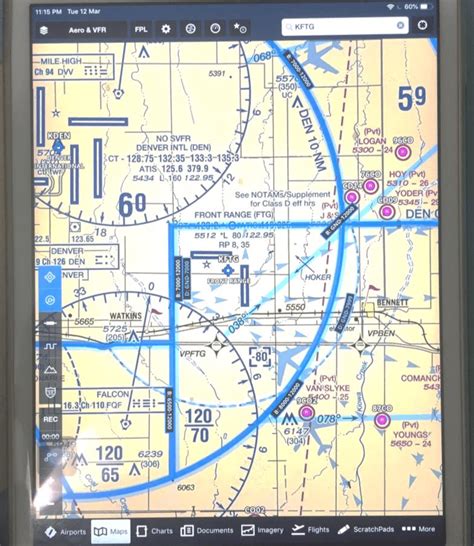
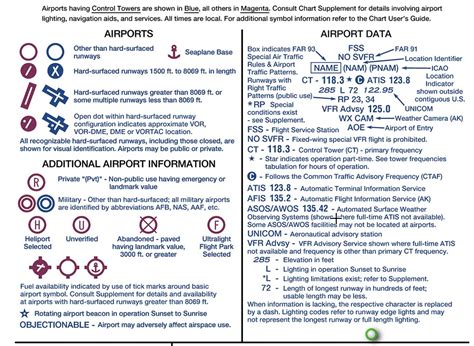
Another critical aspect to remember when purchasing paper sectional charts is their update cycle. Sectional charts are updated every six months, and staying current is essential for safe navigation.
Old charts can reflect outdated information about:
- Airspace classifications.
- Communication frequencies.
- Navigational aids (VORs, NDBs).
- Airports and runway configurations.
Even subtle changes can have serious implications in flight. Therefore, always check the effective dates printed on the chart’s cover before you purchase and certainly before you fly.
Using Paper Charts: More Than Just a Backup
Beyond their use as a fail-safe, paper charts also encourage better navigation habits and situational awareness. When using a paper chart, a pilot naturally scans a broader view of the airspace rather than focusing narrowly on a small digital screen.
Learning and practicing dead reckoning, pilotage, and understanding topographical features becomes significantly easier with a physical chart in hand. Plus, paper charts can be used creatively — pilots have been known to use old charts as gift wrap, packing material, or even wall decorations in flight schools and home offices.
Final Thoughts: Where Should You Buy?
For most pilots, the ideal approach is a combination of strategies:
- Support your local FBO or flight school whenever possible.
- Subscribe through MyPilotStore or Sporty’s for automatic updates and ease.
- Use Amazon with caution, only after verifying the authenticity and date.
- Explore museums only for historical charts, not for practical use.
At the end of the day, having up-to-date, reliable paper sectional charts is not just a legal safeguard during training or checkrides — it’s a fundamental part of being a competent and prepared aviator. Whether you are an old-school pilot who navigates by dead reckoning or a tech-savvy flyer who wants a solid backup plan, investing in quality charts from reputable sources is always a smart decision.