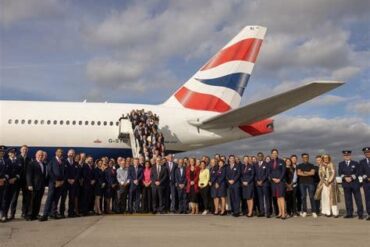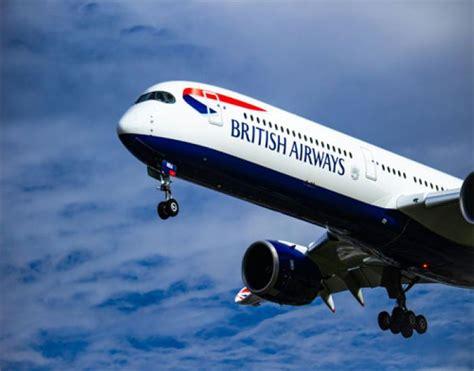
British Airways is preparing for its most ambitious transatlantic operation ever, with the airline scheduled to average an extraordinary 50 daily flights to the United States during the peak summer 2026 season. Fueled by surging leisure demand, premium business traffic, and the global travel spike expected around the 2026 FIFA World Cup, the carrier is pushing its North American network to unprecedented levels from both London Heathrow and London Gatwick.
According to scheduling data from aviation analytics company Cirium, British Airways has planned 4,571 one-way departures to the United States between July and September 2026, making this the airline’s largest-ever US operation during a third-quarter period. The increase is not marginal either. Flight frequencies are rising by nearly five percent year-over-year, while available seat capacity climbs even higher, signaling that the airline is deploying larger aircraft and maximizing premium-heavy routes.
For British Airways, the United States remains its most strategically important long-haul market. No other region delivers the same blend of high-yield corporate traffic, tourism demand, loyalty program engagement, and alliance connectivity. The summer 2026 schedule demonstrates just how aggressively the airline intends to capitalize on those advantages.
The numbers underline the scale of the operation. British Airways will offer more than 1.28 million seats between the UK and the US during Q3 2026, up from approximately 1.22 million the previous year. Every single flight will be operated using widebody aircraft, reinforcing the premium long-haul focus that has long defined the airline’s North Atlantic strategy.
By concentrating capacity on high-demand business and leisure corridors, British Airways is positioning Heathrow as one of the world’s busiest global gateways for transatlantic travel.
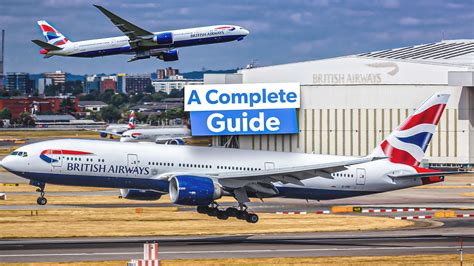
British Airways Deploys Seven Widebody Aircraft Types Across US Network
One of the most remarkable aspects of the summer 2026 operation is the sheer diversity of aircraft being used. British Airways will rely on seven different widebody aircraft variants across its American routes, giving the airline significant flexibility in balancing demand, capacity, and premium cabin availability.
The workhorse of the network remains the Boeing 777-200ER, which is scheduled for 1,584 rotations during the quarter. Close behind is the larger Boeing 777-300ER with 1,007 rotations, a reflection of the aircraft’s importance on high-density premium routes such as New York and Los Angeles.
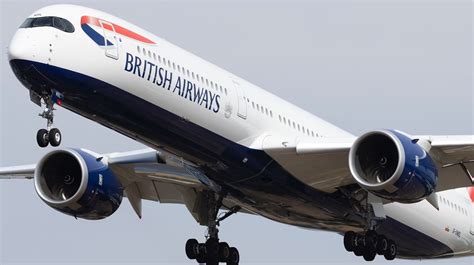
The airline’s modern Boeing 787 fleet also plays a major role. The 787-10 accounts for 769 flights, while the smaller 787-8 and 787-9 continue serving thinner long-haul markets and newer routes. Meanwhile, the Airbus fleet contributes heavily through the A350-1000 and the iconic A380, which still commands strong passenger demand on slot-constrained flagship routes.
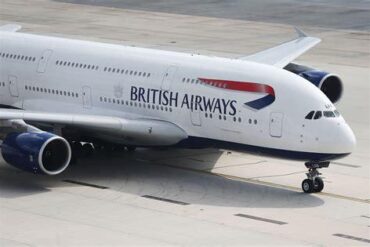
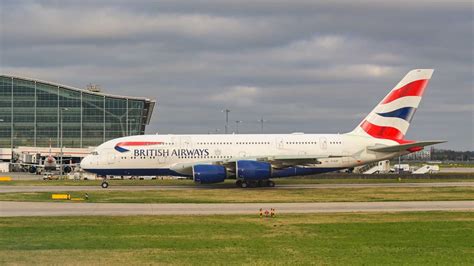
The A380’s continued presence is particularly notable. While several airlines have retired or downsized their superjumbo fleets, British Airways continues deploying the aircraft strategically on major US sectors where demand remains exceptionally strong. Routes such as Los Angeles and Miami benefit from the aircraft’s enormous capacity and premium-heavy configuration.
The fleet mix also reflects the airline’s evolving strategy. Larger aircraft are increasingly concentrated on routes with strong premium demand, while newer-generation jets like the A350 and 787 families help improve efficiency and passenger comfort on longer sectors.
New York JFK Remains The Crown Jewel Of The British Airways Network
No destination illustrates British Airways’ transatlantic dominance better than New York-JFK. During Q3 2026 alone, the airline plans to operate an astonishing 781 flights from Heathrow to JFK, making it by far the busiest route in its US portfolio.
The London–New York corridor has always been one of the most lucrative airline routes in the world, attracting bankers, consultants, media executives, diplomats, and high-spending tourists year-round. British Airways continues to treat the market as a flagship operation, offering multiple daily departures alongside its joint venture partners American Airlines, Iberia, and Finnair.
Behind JFK, several major American cities continue receiving dense schedules from Heathrow. Boston, Los Angeles, and Washington Dulles each see 276 departures during the quarter, while Chicago O’Hare follows closely with 267 flights.
Austin, Newark, San Francisco, and Seattle also remain vital parts of the network, each recording 184 departures. Austin’s sustained growth is especially significant, reflecting the Texas capital’s emergence as a major technology and corporate hub with increasing international demand.
Dallas, St Louis, And Orlando Drive The Biggest Growth
While traditional strongholds continue dominating the network, some of the most important developments involve entirely new or significantly expanded routes.
The biggest jump comes from Dallas/Fort Worth, a route British Airways did not operate during Q3 2025. In summer 2026, the airline introduces daily Heathrow flights, resulting in 92 departures across the quarter. The route strengthens connectivity with American Airlines’ largest hub and deepens oneworld alliance integration across North America.
Another headline-grabbing addition is St Louis, which regains nonstop UK service for the first time in more than two decades. British Airways will operate the route four times weekly using Boeing 787 aircraft, targeting both business travelers and underserved Midwest demand.
British Airways executive Neil Chernoff emphasized the significance of the launch, pointing to strong backing from airport authorities, tourism organizations, and the wider St Louis business community.
Florida is also receiving renewed attention. Heathrow-to-Orlando service returns with 18 departures during the quarter after no flights operated the previous year. Miami additionally gains 71 extra flights year-over-year, highlighting sustained leisure demand to the Sunshine State.
Las Vegas, Cincinnati, Austin, San Diego, Houston, and Washington Dulles also receive frequency increases, further strengthening the breadth of the airline’s American network.
Gatwick’s Reduced Role Highlights Heathrow’s Strategic Importance
Despite the record-breaking overall US schedule, London Gatwick plays only a minor role in British Airways’ transatlantic strategy. The contrast between Heathrow and Gatwick has become even more pronounced in 2026.
British Airways plans only 264 US-bound departures from Gatwick during Q3, a dramatic decline from the 393 operated during the same period a year earlier. The reduction represents a nearly 33 percent drop in flying activity.
Two notable routes have disappeared entirely from Gatwick’s map: New York-JFK and Las Vegas. Last summer, those routes accounted for a combined 125 departures, but both have now been eliminated as the airline consolidates premium long-haul operations around Heathrow.
That leaves Gatwick focused exclusively on Florida leisure traffic. Orlando receives 181 departures, while Tampa accounts for another 83 flights during the quarter.
British Airways Positions Itself For A Historic Transatlantic Summer
The scale of British Airways’ summer 2026 operation reflects more than simple network expansion. It represents a deliberate attempt to reinforce the airline’s dominance across the North Atlantic at a time when competition is intensifying among global carriers.
With more than 50 daily US flights, over 1.28 million available seats, and a broad mix of flagship aircraft, British Airways is entering one of the busiest transatlantic seasons in its history with enormous momentum. The airline is betting heavily that demand for premium international travel will remain resilient — and all signs suggest that wager may pay off spectacularly.