British Airways has quietly crossed a historic threshold in its transatlantic strategy, confirming a record-breaking 26 nonstop routes to the United States from London Heathrow. The latest addition comes via a short-term resumption of flights to Orlando, a move that may look modest on the surface but carries outsized strategic weight for the UK flag carrier’s North American network.
This Orlando service is not a brand-new experiment but a carefully timed return. British Airways last flew the route from Heathrow in 2022, during the volatile post-pandemic recovery. Its reappearance now, tightly aligned with peak summer demand, reflects a carrier that is increasingly confident in both leisure-heavy US markets and Heathrow’s enduring role as Europe’s most powerful long-haul hub.
What truly elevates this announcement is scale. With Orlando added back into the mix, British Airways will operate to 26 US airports from Heathrow during the critical Q3 period, a level it has never reached before. Even at its pre-pandemic peak, the airline topped out at 24 US destinations. This summer’s schedule does not merely edge past previous records; it decisively resets them.
Heathrow–Orlando Returns at the Peak of Summer Demand
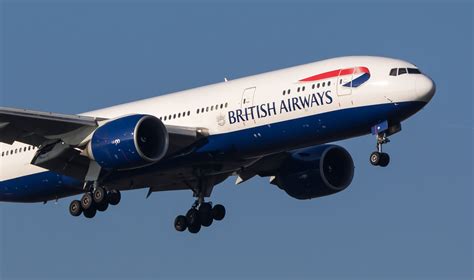
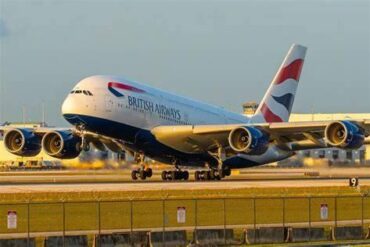
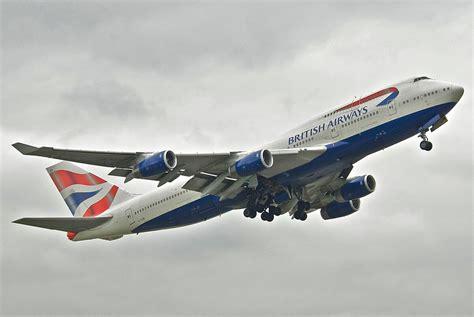
British Airways is best known for serving Orlando from London Gatwick, using high-density Boeing 777-200ERs optimized for leisure traffic. Heathrow, by contrast, is typically reserved for premium-heavy routes with strong corporate demand. That makes the temporary return of Orlando to Heathrow particularly notable.
According to the airline’s latest schedule filings, the route will operate three times weekly between July 21 and August 29, perfectly bracketing the UK school holidays. In total, just 18 round-trip flights are planned, underscoring the airline’s intent to surgically target the most lucrative weeks of the year rather than commit to year-round capacity.
Flights will be operated by a 272-seat Boeing 777-200ER equipped with the new Club Suites, offering a fully flat, direct-aisle-access business class product. The 8:20 a.m. departure from Heathrow is especially striking, matching British Airways’ joint-earliest transatlantic departure alongside New York JFK. This timing allows passengers to arrive in Florida before mid-afternoon, maximizing the first day of a leisure trip.
During this five-week window, British Airways will serve Orlando 17 times weekly from London, combining Heathrow and Gatwick operations. That figure mirrors Virgin Atlantic’s peak summer frequency from Heathrow, signaling an increasingly competitive battle for premium leisure travelers heading to Florida.
A Historic Expansion to 26 US Destinations
The Orlando resumption is only one piece of a much larger puzzle. For Q3 2026, British Airways plans to serve 26 US airports from Heathrow, surpassing its previous high of 25 destinations achieved in 2022 and 2023. The progression tells a clear story: 24 US airports in 2024, 23 in 2025, and now a decisive jump to 26.
Several factors are driving this expansion. The airline has reinstated Dallas/Fort Worth, reasserting its presence at one of the most important hubs in the American Airlines network. Orlando and St. Louis further diversify the portfolio, balancing leisure-heavy demand with underserved mid-sized US markets that offer strong connecting potential.
The St. Louis route, launching April 19, will operate four times weekly using the 204-seat Boeing 787-8, British Airways’ smallest widebody aircraft. Despite its size, the aircraft features the same modern Club Suites, signaling that product consistency remains non-negotiable even on thinner routes. London was St. Louis’ largest unserved European market, making this addition both logical and long overdue.
Record-Breaking 47 Daily US Departures From Heathrow
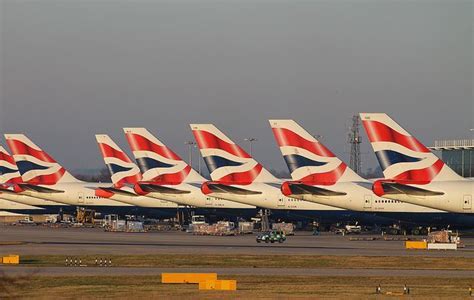
When viewed through the lens of frequency rather than destinations alone, the scale of British Airways’ transatlantic operation becomes even clearer. During Q3, the airline will average 47 daily departures from Heathrow to the United States, the highest level it has ever achieved.
This figure represents an average, meaning some days will exceed 50 departures as demand peaks. It also excludes Gatwick services, which would push the total even higher. Importantly, this growth is not solely driven by new routes. Several existing markets are seeing incremental frequency increases, including Austin, Cincinnati, Houston Intercontinental, Las Vegas, San Diego, and especially New York JFK, which will rise to as many as nine daily flights following the end of JFK–Gatwick operations.
Miami will now see up to two daily flights, reinforcing its dual role as a leisure gateway and a crucial link to Latin America. Nashville, however, stands out as one of the few markets to experience a year-over-year reduction, highlighting the airline’s willingness to fine-tune capacity rather than pursue growth for its own sake.
Why This Expansion Matters for Transatlantic Aviation
British Airways’ move to 26 US routes from Heathrow is more than a headline-grabbing statistic. It reflects a broader recalibration of transatlantic demand, where premium leisure travel, network connectivity, and schedule precision are increasingly as important as traditional corporate traffic.
By combining targeted seasonal routes like Orlando with strategic expansions such as St. Louis and Dallas/Fort Worth, British Airways is reinforcing Heathrow’s dominance while extracting maximum value from its long-haul fleet. The result is a transatlantic network that is not only larger than ever, but also more flexible, more competitive, and finely tuned to where demand is strongest right now.