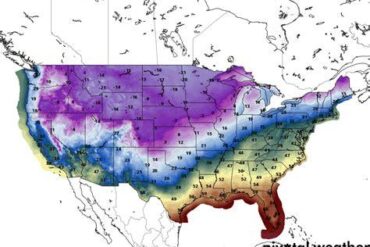
Canada has drawn a hard line across the U.S. map, and the consequences are reverberating through the heart of the American tourism sector. Utah, Florida, Arizona, Las Vegas, Phoenix, and Maine—once magnets for Canadian tourists—are now caught in a sudden and chilling diplomatic freeze. As tensions escalate over tariffs and political posturing, the fallout is unfolding not only in economic figures but in the empty seats of airplanes, quiet hotel lobbies, and vanishing revenue streams.

A Sudden Ice Age in Cross-Border Travel
The roots of this freeze stretch beyond travel itineraries and tourist attractions. Triggered by an aggressive round of new U.S. tariffs—up to 25% on key Canadian exports—introduced under the so-called “Liberation Day” economic initiative in April 2025, Canada’s response has been swift, resolute, and deeply symbolic. Canadians are not just skipping U.S. vacations—they are making a statement.
The affected states are feeling the pinch immediately. Utah’s national parks have seen a sharp dip in international traffic. Florida’s beaches, typically overrun with snowbirds this time of year, now have room to breathe. Arizona and Phoenix, often touted as affordable escapes for Canadian retirees, are quieter than they’ve been in over a decade. Las Vegas, despite its neon resilience, reports declining Canadian foot traffic. And Maine, a perennial coastal favorite for Quebecois road trippers, has grown unusually subdued.
The Numbers Are Bleak—and Getting Bleaker
The quantitative impact is severe. According to Statistics Canada, road travel to the U.S. dropped 38% year-over-year by May 2025. Air travel suffered a 4% decrease, but the ripple effects are broader than they first appear.
Salt Lake City International Airport, a key connector for Utah-bound tourists, has seen its Canadian flight bookings stagnate. Despite new international routes to Europe and Asia experiencing full bookings, the northbound corridors remain eerily underused.
Tariffs Ignite a Widespread Boycott Movement
Behind the data lies a deeply personal shift in sentiment. The tariffs were the spark, but what followed was an emotional detachment. Canadian consumers launched grassroots boycott campaigns across social media, urging fellow citizens to avoid purchasing American-made products or vacationing in U.S. destinations.
A Toronto-based survey conducted in late May 2025 revealed:
- 74% of Canadians who canceled U.S. travel cited political reasons.
- Nearly half of all respondents said their view of the U.S. had become more negative since the tariffs.
- 28% of would-be travelers rerouted their vacations to Europe or domestic Canadian locations.
This isn’t just fiscal friction. This is ideological resistance. Canadians are responding with their wallets, passports, and public sentiment.
Economic Fallout in Utah: A Case Study in Tourism Dependence
Utah presents perhaps the most dramatic case study. In 2023, Canadians comprised 28% of Utah’s international tourist base, a vital driver of economic sustainability across ski towns, national parks, and gateway cities like Moab and Park City.
Local businesses that rely on seasonal inflows are already reporting early signs of stress. Hotel bookings are down. Rental car agencies are offering steep discounts to fill fleets. Tour guides, outfitters, and ski instructors are finding their summer and winter calendars unusually light.
If this pattern holds, Utah could lose millions in tourism dollars, not to mention the secondary employment ripple effect through hospitality, retail, and service sectors.

Florida and Arizona: From Retiree Havens to Ghost Resorts
Florida’s allure has historically been irresistible to Canadian retirees and sun-seekers. But now, snowbird season may pass with a whimper. Florida’s tourism economy—one of the most robust in the U.S.—is now recalibrating projections. Resorts in Miami, Fort Lauderdale, and Tampa report up to 15% booking declines from Canadian guests since April.
Arizona and its capital, Phoenix, are following suit. Renowned for being budget-friendly alternatives to California, these destinations are now battling a growing perception problem. Rising travel costs, combined with a weak Canadian dollar—currently at $0.73 USD—have priced many would-be tourists out of the market entirely.
Even popular retirement communities report slower seasonal migration trends, threatening real estate markets and ancillary services that depend on Canadian presence.
Las Vegas and Maine: Sentiment Shifts and Missed Opportunities
Las Vegas, long a beacon for Canadians looking for entertainment, sports betting, and concert events, is showing signs of vulnerability. Casinos are tightening marketing budgets aimed at Canadian demographics. Promotional campaigns tied to cross-border travel agencies have been slashed.
Meanwhile, Maine, which has benefited from a robust drive-in tourism model with Quebec and the Maritimes, now sees empty lodges and vacant coastal rentals. Businesses along the scenic U.S. Route 1 corridor are reporting their worst June in five years.
The Emotional Undercurrent: Trust Is Eroding
While numbers quantify the drop, the intangible impact is harder to recover from. Surveys and anecdotal reports increasingly describe Canadians feeling alienated, frustrated, or disrespected by the U.S.’s handling of international diplomacy.
This shift in emotional rapport—an often overlooked but critical factor in travel behavior—now threatens long-term tourism recovery. Travelers who feel unwelcome or politically targeted don’t just cancel once. They change their habits. And they influence others to do the same.
Industry Response: Pleas for Reconciliation and Policy Repair
Tourism boards across the U.S., especially in affected states, are quietly lobbying for diplomatic intervention. There is growing pressure on federal authorities to reassess the tariffs or, at the very least, offer conciliatory gestures to restore goodwill.
State-level officials in Utah, Arizona, and Florida have begun outreach efforts aimed at Canadian partners, hoping to preserve relationships until national leaders resolve the broader dispute.
Airlines and hospitality groups are offering targeted discounts, loyalty bonuses, and direct booking incentives to woo Canadians back. But these measures, while commendable, cannot fully address the root cause—political hostility transformed into consumer choice.
A Reversible Trend—But Time Is Running Out
Despite the bleak outlook, there is a sliver of hope. Surveys suggest that 66% of Canadians would reconsider U.S. travel within three years if conditions improved. For some, the bonds of family, tradition, and nostalgia still outweigh political friction.
But time is of the essence. The longer this diplomatic freeze continues, the harder it will be to thaw consumer trust. Competing destinations—Europe, Mexico, even Canadian domestic gems like British Columbia and Nova Scotia—are seizing the moment.
Conclusion: Travel Is the Canary in the Coal Mine
The decline in Canadian tourism is not just a niche issue—it is a broader indicator of failing public diplomacy. When neighbors stop visiting, something deeper has fractured. The U.S. must now choose whether to double down on nationalism or recognize the quiet power of tourism as an act of goodwill and shared experience.
Until then, the lights will keep flashing in Las Vegas, the trails in Utah will remain breathtaking, and Florida’s beaches will stretch into the horizon—but fewer Canadians will be there to see it.