Spain has long been a beacon for American travelers seeking Mediterranean sun, vibrant culture and historic cities. Yet as summer 2025 unfolds, the nation finds itself in company with Canada, the UK, China and Australia, grappling with an unexpected and sharp decline in US tourists. Flights that once arrived fully booked now touch down with empty seats, hotels that counted on American spending face cancellations, and local businesses brace for an unprecedented season of uncertainty.
The abrupt reversal follows a period of surging growth: US arrivals in 2024 expanded by nearly 17.5%, fueling record revenues for airlines, hotels and attractions. But between November 2024 and May 2025, that growth stalled to a mere 2.3%. The change has prompted warnings from Caixabank Research that tourism GDP growth could be trimmed by a full percentage point in 2025, even as overall sector growth remains projected at 2.7%, outpacing the general economy.
Industry insiders point to a perfect storm of currency shifts and political developments. A strong euro has eroded the dollar’s purchasing power, making Spain feel significantly more expensive to American visitors. Meanwhile, the geopolitical climate under Donald Trump’s second term has introduced fresh caution among potential travelers, reshaping holiday priorities and budgets.

Spain’s Tourism Decline Continues to Unsettle the Economy
Spain’s tourism engine powered much of its economic resurgence in recent years, but the sudden deceleration of American arrivals threatens that momentum. After a heady 17.5% increase through most of 2024, US visitor growth slid to just 2.3% from November 2024 to May 2025. Caixabank Research now cautions that this slowdown could shave an entire percentage point off tourism GDP growth in 2025, a significant hit for a sector that accounted for over 12% of Spain’s GDP in 2024.
The Dollar’s Slide and Trump’s Shadow Loom Large
Currency fluctuations have always influenced travel flows, but the euro’s recent ascent against the dollar has been unusually steep. American tourists who once enjoyed favorable exchange rates now confront higher prices for hotels, dining and experiences once considered affordable indulgences. Travel agencies report a marked rise in inquiries about alternative destinations offering better value.
Compounding the currency squeeze is the political backdrop: Donald Trump’s November 2024 election victory injected a dose of uncertainty into international travel plans. From visa regulations to immigration rhetoric, many Americans now wonder how welcome they will feel abroad. Agencies note that these concerns have translated into postponed bookings and shortened itineraries.
Spending Patterns Collapse Amid Economic and Political Headwinds
It’s not just fewer arrivals—it’s also a collapse in spending by those who do make the trip. Between January and October 2024, US card payments in Spain soared nearly 17% year‑on‑year, reflecting robust consumer confidence and extended stays. Yet between November 2024 and May 2025, American spending reversed course, dropping an average of 2.2% year‑on‑year.
In 2024, US tourists contributed €9.1 billion—7.1% of total tourism spending—despite representing only 4.5% of arrivals. This disproportionate economic weight makes the downturn particularly alarming for businesses reliant on high-spending American visitors.
Regional Impacts Reveal a Divided Map of Winners and Losers
The drop in American travelers has not been uniform across Spain. Major urban centers like Madrid and Barcelona, which derive 14.7% of tourism revenue from US guests, remain relatively insulated thanks to business travel and affluent cultural tourists. These cities continue to welcome visitors willing to absorb higher costs for premium experiences.
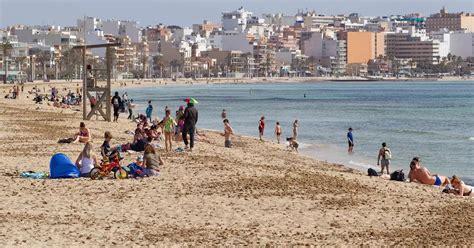
Coastal urban hotspots, where sun‑seekers once flocked, report a 5.4% decline in US spending. While beaches still attract, heatwaves and price tags have tempered enthusiasm. Rural Spain suffers most severely: smaller municipalities—both inland and along the coast—see American tourist spending down by nearly 10%, threatening the viability of local hotels, restaurants and tour operators.
Airlines and Hotels on Alert as Demand Falters
Carriers with transatlantic routes face a strategic reckoning. Airlines such as Iberia and Vueling have invested heavily in additional capacity, betting on sustained American demand. Now, tighter yields and emptier cabins force route adjustments and potential frequency cuts for the summer and autumn schedules.
Meanwhile, hotels in US‑favored cities are rolling out targeted marketing campaigns, loyalty perks and discounted packages to maintain occupancy. Yet industry executives worry that currency imbalances and political uncertainties could reshape travel patterns for years rather than months.
Global Tourism Ripple Effect: New Winners and Losers
Spain’s predicament mirrors broader shifts in global tourism. As Europe becomes pricier, American travelers pivot to more affordable destinations such as Mexico, Southeast Asia and parts of South America. Visa rules, foreign policy rhetoric and safety perceptions under the Trump administration further influence destination choices, adding complexity to the global travel landscape.
Destinations offering value and perceived stability—Cancún’s beaches, Thailand’s cultural sites, Colombia’s emerging hotspots—are capitalizing on the downturn in traditional markets. Conversely, high‑cost European capitals scramble to innovate or risk losing share permanently.
Can Spain Bounce Back? Strategies for a Post‑Trump, Strong‑Euro World
Spain’s long‑term resilience lies in its unparalleled cultural heritage, world‑class hospitality and robust tourism infrastructure. Yet winning back American tourists will demand more than goodwill:
- Aggressive marketing in US feeder markets highlighting value propositions and new experiences.
- Competitive pricing strategies, from dynamic hotel rates to bundled air‑plus‑stay packages.
- Creative tourism products, such as niche itineraries focusing on gastronomy, off‑the‑beaten‑path adventures and sustainable travel.
Diversification of source markets—boosting arrivals from Latin America, Asia and other European nations—remains a priority, but restoring the high‑spending American segment is crucial for balance.
A Critical Moment for Spanish Tourism and Local Economies
Small businesses across Spain feel the stakes most acutely. Every lost American tourist represents a missed dinner reservation, an empty hotel night and reduced retail sales. For rural communities and coastal towns in particular, the downturn threatens jobs and revenue streams that cannot be easily replaced.
As Spain navigates this crossroads, multi‑stakeholder collaboration between government agencies, industry associations and local businesses will be essential. Joint efforts to streamline immigration processes, improve digital marketing and incentivize off‑season travel could cushion the blow and set the stage for recovery.
A Chill Sweeps Global Tourism: The Bigger Picture
The trends playing out in Spain are part of a global pattern. From Canada’s border towns to Australia’s outback lodges, countries are feeling the chill of a weaker dollar and politically charged environment. Tourism boards worldwide face the same question: how to adapt quickly to shifting consumer sentiment and currency realities.
Why Americans Are Staying Home: Economics and Emotions
The US dollar’s decline has made travel abroad a more expensive proposition, reducing discretionary budgets for flights, accommodations and experiences. At the same time, political uncertainties—ranging from visa policy changes to safety concerns—add an emotional deterrent. Together, these factors have prompted many Americans to postpone or cancel international trips.
Canada Feels the Pinch as Border Traffic Plummets
In Canada, cross‑border car traffic has dropped by 23% and US bookings have slumped about 40% year‑over‑year. A politically fueled tourism boycott is estimated to have cost CAD 3 billion in lost spending. Hotels in Vancouver and Toronto are offering steep discounts, while restaurants pivot to domestic clientele to stay afloat.
Europe’s Quiet Season Tests Historic Capitals
The UK, France and Spain—all longtime beneficiaries of American tourism—face softer arrivals and reduced spending. In Spain, the post‑election slowdown drove growth from 17.5% to just 2.3%, contributing to a 2.2% decline in US spending. Museums, galleries and small businesses reliant on foreign cash feel the ripple across cultural and economic sectors.
China and Asia Losing US Footfall Amid Tensions
Early 2025 data show an 8–11% drop in American arrivals to China, driven by currency headwinds and diplomatic uncertainties. Visa delays and trade disputes further deter US tourists. Southeast Asian nations, from Thailand to Vietnam, are seizing the opportunity, launching targeted campaigns to attract the cost‑conscious American traveler.
Australia Feels the Heat Under Weaker Dollar Pressures
Australia, once a top‑three destination for US tourists, has slid to eighth place among inbound markets. The weaker dollar and long‑haul fares have made the journey more costly. Tourism boards are responding with aggressive promotions of wildlife experiences, coastal adventures and vibrant culture, but competition for American dollars is fiercer than ever.
Ripple Effects in Airlines and Hotels Across Continents
Global carriers—Air Canada, British Airways, Qantas and others—are carefully pruning routes and adjusting frequencies in response to lower US demand. Luxury hotels in major cities are introducing promotional rates, complimentary upgrades and bespoke experiences to entice guests, but uncertainty about currency trends and political developments looms.
Shifting Patterns and Emerging Destinations
Faced with higher costs in traditional hotspots, budget‑conscious Americans are exploring Latin America, Eastern Europe and parts of Asia. Domestic travel within the US is experiencing a renaissance, as many choose road trips and nearby getaways over expensive international flights. This shift underscores the importance of value, convenience and perceived safety in travel decisions.
Can Global Tourism Recover?: Strategies for Reclaiming the American Market
Tourism leaders worldwide are mobilizing to win back US visitors. Key tactics include:
- Targeted digital campaigns showcasing affordability and unique experiences.
- Loyalty enhancements in airline and hotel programs to incentivize repeat visits.
- Collaborative promotions between carriers, hotels and local attractions to offer seamless, cost‑effective packages.
Restoring traveler confidence through clear communication about safety, entry requirements and flexible booking policies will be vital.
A Crossroads for Global Travel: The Road Ahead
As summer 2025 progresses, the tourism industry stands at a pivotal juncture. Economic recovery, political stability and agile destination strategies will determine whether American tourists return in force or continue exploring new horizons closer to home. For Spain and its global peers, the challenge is clear: adapt swiftly, innovate boldly, and reaffirm the enduring allure that once made them the world’s most sought‑after destinations.