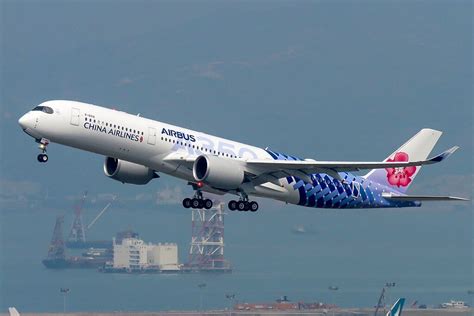
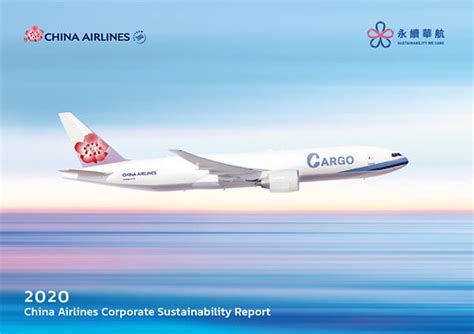
Taiwan’s China Airlines is charting a bold course toward modernization and global competitiveness with its recent announcement to introduce 13 new Airbus aircraft into its expanding fleet. Among these, the spotlight falls on five cutting-edge Airbus A350-900s, marking a transformative step in the carrier’s long-term strategic evolution. This move not only strengthens the airline’s operational capacity but also significantly enhances passenger experience, sustainability practices, and network reach across continents.
Modernizing the Fleet with Advanced Airbus Technology
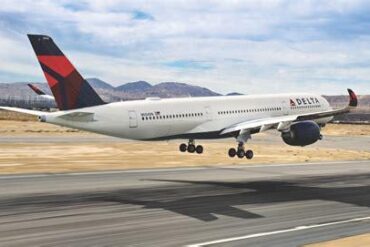
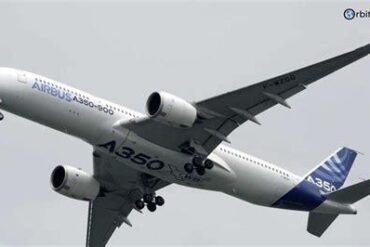
The addition of the new Airbus aircraft is a clear demonstration of China Airlines’ commitment to investing in next-generation aviation technology. The Airbus A350-900, in particular, represents a milestone in aircraft innovation. Built with a composite fuselage and wings, this aircraft is designed to be lighter and more aerodynamic, significantly reducing drag and improving fuel efficiency.
With a range of approximately 15,000 kilometers (8,100 nautical miles), the A350-900 is tailor-made for long-haul routes. Its Rolls-Royce Trent XWB engines are among the most efficient ever built for a widebody aircraft, consuming 25% less fuel than previous-generation models. Passengers benefit from a quieter cabin, enhanced air quality, and customizable mood lighting designed to reduce jet lag.
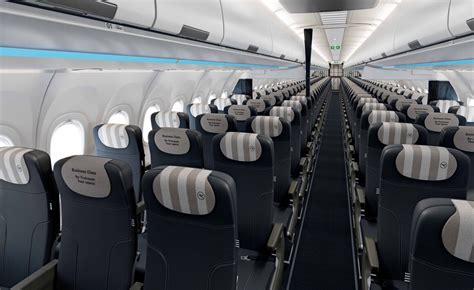
From a design perspective, the A350-900 brings a fresh layer of comfort to the in-flight experience. Cabins are roomier, with wider seats, larger windows, and improved humidity control — all contributing to a more relaxed journey. This reinforces China Airlines’ customer-first approach and aligns with its ambition to deliver a world-class service standard on par with leading international carriers.
Elevating International and Regional Route Capabilities
The newly acquired A350-900s are slated to reinforce China Airlines’ long-haul network, especially across routes connecting Taiwan to key global destinations in North America, Europe, and Oceania. These aircraft offer the range, efficiency, and passenger comfort necessary for long-distance travel — traits that have become non-negotiable in a highly competitive market.
The deployment of these jets on flagship routes like Taipei to Los Angeles, Amsterdam, Frankfurt, and Vancouver will not only increase flight frequencies but also raise the bar on in-flight quality. China Airlines is betting on the A350’s performance to enhance operational reliability, reduce delays, and support an expanding timetable.
Regionally, the remaining aircraft in the 13-unit order — including Airbus A321neo models — will cater to high-density intra-Asia routes. These aircraft are ideal for destinations like Tokyo, Hong Kong, Seoul, Bangkok, and Singapore, where short-haul flights require efficient turnaround times, fuel economy, and quick boarding features.
China Airlines is addressing both ends of its operational spectrum with this fleet addition: long-haul reach with the A350s, and regional agility with the A321neos. The synergy will allow the carrier to strategically align its fleet with market demand, improving aircraft utilization while optimizing route profitability.
A Leap Toward Sustainable Aviation
China Airlines’ fleet expansion is also a strong declaration of its environmental stewardship. The Airbus A350-900 is widely recognized as one of the greenest aircraft in commercial service. It emits less CO₂ per seat-kilometer and is equipped with state-of-the-art systems that minimize its noise footprint. With the aviation industry facing growing scrutiny over emissions, China Airlines is clearly positioning itself as a forward-thinking and responsible global operator.
The A350s’ lightweight composite materials, alongside advanced winglets and aerodynamic contours, reduce fuel burn by double digits compared to older twin-aisle aircraft like the Boeing 777-200 or Airbus A340. Moreover, China Airlines has been incorporating sustainable aviation fuel (SAF) where available, and this fleet upgrade reinforces its readiness to scale those efforts.
Notably, the A321neo aircraft also contribute to greener operations. Featuring new-generation Pratt & Whitney GTF engines, these narrowbody planes reduce fuel use by up to 20% and offer quieter takeoffs and landings. These developments align with Taiwan’s broader national goals on carbon neutrality and clean transportation infrastructure.
Enhancing the Passenger Experience with Premium Comfort
For China Airlines, aircraft modernization goes far beyond just technical specifications. The airline has made substantial investments in enhancing passenger comfort, setting new standards in premium service. The new Airbus A350-900s will feature redesigned business class suites with lie-flat seats, direct aisle access, and increased personal space. Economy class will benefit from ergonomically designed seats, larger overhead bins, and upgraded in-flight entertainment systems across all classes.
The cabin environment is engineered for passenger well-being. The A350’s cabin pressure is set to mimic a lower altitude, which reduces fatigue, while improved cabin humidity helps prevent dryness on long flights. Passengers will also enjoy faster internet speeds and touchscreen IFE systems with an intuitive user interface.
Such refinements not only appeal to business travelers but also enhance brand loyalty among leisure passengers, particularly in high-yield markets like Japan, Australia, the United States, and Europe. China Airlines is positioning itself as not just a transport provider, but a premium lifestyle brand in the skies.
Competitive Differentiation in a Crowded Market
The global airline industry is undergoing rapid transformation, with legacy carriers and new entrants fiercely competing for market share. In this context, China Airlines’ move to incorporate advanced Airbus aircraft is a calculated strategy to stay ahead of the curve. The operational efficiencies offered by the A350s and A321neos allow the airline to reduce cost per available seat kilometer (CASK) while maintaining a high quality of service.
Operational savings can be reinvested into further digital innovation, staff training, and ground service upgrades — all of which reinforce the overall brand experience. At the same time, reduced maintenance requirements and increased fuel efficiency support China Airlines’ profitability even during market volatility or fluctuating fuel prices.
With these aircraft, China Airlines gains a commercial edge in areas that matter most: punctuality, reliability, passenger satisfaction, and sustainability. The A350s give China Airlines the ability to target lucrative high-traffic corridors, while the A321neos allow more frequency and connectivity in Asia, where fast turnaround times are critical.
Reinforcing China Airlines’ Global Identity
China Airlines’ decision to bolster its fleet signals more than an operational shift — it’s a redefinition of its global identity. The carrier has long been a symbol of Taiwanese aviation excellence, but with these new aircraft, it is clearly aiming to expand its international footprint and elevate its standing among top-tier airlines.
The airline’s strategic pivot also aligns with the growing trend of hub optimization. With Taiwan’s Taoyuan International Airport undergoing expansions and upgrades, China Airlines is seizing the moment to increase its transit traffic. More long-haul aircraft means more transfer opportunities, particularly for passengers connecting between Southeast Asia and North America or between Oceania and Northeast Asia.
Additionally, the airline’s strong presence in SkyTeam — one of the world’s major airline alliances — allows it to feed traffic into a vast network of partner carriers. With the A350s, China Airlines can offer more code-share opportunities, joint ventures, and reciprocal frequent flyer benefits.
Looking to the Future: Growth, Resilience, and Market Leadership
The acquisition of these 13 Airbus aircraft is not an isolated investment but part of a broader vision to ensure long-term sustainability, profitability, and growth. China Airlines is future-proofing its business model against rising fuel costs, increasing environmental regulation, and evolving passenger expectations.
From the perspectives of efficiency, environmental impact, and passenger satisfaction, these aircraft form the foundation of a modern fleet that can thrive in the post-pandemic travel landscape. China Airlines is not merely keeping pace with competitors — it is actively setting benchmarks for operational excellence and innovation in the Asia-Pacific aviation market.
With delivery timelines already underway and deployment plans being finalized for 2026 and beyond, China Airlines is poised to enter a new era of aviation leadership — one defined by technological prowess, ecological responsibility, and unparalleled service quality.
As the skies open wider in the coming years, China Airlines will be flying higher — not just with new aircraft, but with renewed purpose, vision, and capability.