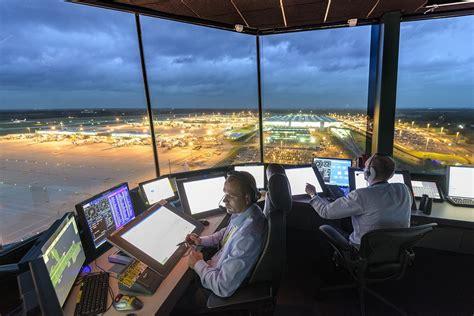
This article provides an overview of the responsibilities of air traffic controllers and the limits of their duties. For more specific details, local instructions such as air traffic service manuals can be consulted.
Normal Operations
Controllers play a crucial role in ensuring safety by providing separation between aircraft. This involves considering the airspace class, flight rules, and other factors like RVSM and special provisions for certain flights. They are responsible for preventing collisions between aircraft and obstacles in the maneuvering area. Controllers also pass and acknowledge information, coordinate with other controllers, and ensure that pilots correctly read back instructions. They monitor aircraft behavior to ensure compliance with clearances and issue corrective instructions when necessary. If there is apparent non-compliance, they must inform the appropriate authorities.
What Controllers Are Not Responsible For
Controllers do not manage aerodrome or runway closures due to conditions like poor braking action, snow, rain, or thunderstorms. They will inform pilots about current conditions, but the decision to land or divert rests with the aircraft commander. Aerodromes may close for snow clearing or flooding, but this decision is outside the controller’s purview. They will communicate any closures to the affected aircraft. Additionally, controllers do not decide on aircraft diversion or which aerodrome to divert to, although they provide the best available information for pilots to make informed choices. They are also not responsible for collision avoidance when an aircraft is responding to an ACAS RA, though they may be held accountable for the loss of separation that leads up to it. When it comes to terrain and obstacle clearance, controllers are only responsible when flights are following IFR guidelines and being vectored or cleared directly. However, they will alert other aircraft, such as VFR flights, if there’s an MSAW alert and remind them to check their altimeter settings.
Emergency and Abnormal Situations
During emergencies or abnormal situations, air traffic controllers have additional responsibilities alongside their regular duties. They must provide relevant information to affected aircraft, including weather updates for the chosen aerodrome and aeronautical details like runways and radio aids. They also offer navigation assistance upon pilot request and relay important information to affected ATS units and other agencies like rescue coordination centers. Controllers prioritize servicing aircraft that have declared emergencies, which may involve changing the paths of other aircraft to prevent conflicts, accommodating crew requests for levels or headings, and temporarily suspending operations for emergency landings. This could include instructing an aircraft on final approach to go around or delaying another aircraft’s startup on the apron.
What Controllers Are Not Responsible For in Emergencies
Controllers do not choose the aerodrome for an emergency landing but can provide options for pilots to consider. They do not declare emergencies themselves but may ask pilots for confirmation and forward that information to other controllers and agencies. While controllers cannot decide whether a flight should continue or divert, they support crews by offering priority and relevant information. Lastly, they do not conduct search and rescue (SAR) operations but will inform rescue coordination centers about distressed aircraft and provide pertinent details like flight information and last known positions, giving priority to SAR flights.