
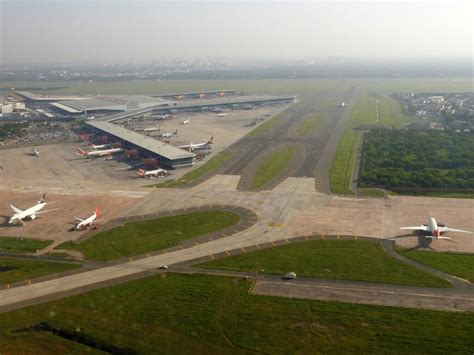
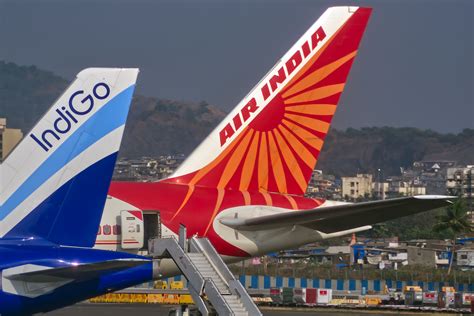
Delhi’s aviation hub, Indira Gandhi International Airport (IGI), is poised to undergo a significant operational shift as Runway 28/10 shuts down for comprehensive upgrades from June 15 to September 15, 2025. The decision will impact over 200 flights daily, causing a ripple across India’s airline network. Passengers flying with IndiGo, Air India, SpiceJet, and Akasa Air will bear the brunt of this transformation, as these carriers collectively cancel 114 flights per day and reschedule another 86 flights to off-peak hours.
Why the Closure of Runway 28/10 Matters
The closure of one of Delhi’s key runways is not just routine maintenance. The work is designed to upgrade the runway’s capabilities to Category IIIB (CAT-IIIB) standards, essential for low-visibility operations during the notoriously dense winter fog season. CAT-IIIB compliance enables instrument-based landings even when visibility drops to as low as 50 meters—critical for minimizing delays and cancellations in winter.
Previously, Delhi airport’s single CAT-IIIB compliant runway supported only 15 landings per hour in heavy fog. Post-upgrade, Runway 28/10 will double this capacity, allowing up to 30 landings per hour, significantly enhancing the airport’s overall efficiency and reliability during critical months.
A Planned Response to Past Disruption
This strategic move follows a failed attempt in April 2025, when an initial maintenance plan had to be abruptly abandoned. At the time, unexpected easterly winds and lack of stakeholder coordination disrupted schedules, lowering arrival rates from 42 to 32 per hour. Airlines and passengers alike faced cascading delays and widespread frustration.
Learning from these missteps, the Delhi International Airport Limited (DIAL) initiated a more meticulous planning process for the upcoming work. With slot reallocations and contingency strategies in place, DIAL aims to avoid a repeat of April’s chaos.
Daily Flight Operations: What’s Changing
The airport typically handles around 1,450 flights each day. With the upcoming closure:
- 114 flights will be canceled daily, accounting for about 7.8% of total operations.
- 86 flights will be shifted to non-peak hours to prevent overcrowding and delays.
Airlines most affected include:
- IndiGo: 33 daily cancellations
- Air India: 25 daily cancellations
- SpiceJet and Akasa Air: share the remaining cancellations
This coordinated reduction will help maintain a balanced flow of air traffic across the day, especially during high-demand slots.
The Strategy Behind the Schedule
To accommodate this major shift, DIAL will rely on three remaining operational runways:
- Runway 29R/11L: Primarily for departures
- Runway 29L/11R: Primarily for arrivals
- Runway 27/09: Operates in hybrid mode (arrivals and departures)
Under normal westerly wind conditions, these three runways can manage 42 arrivals and 42 departures per hour. But if easterly winds return, the arrival rate will drop to just 32 flights per hour, reintroducing the possibility of delays and overcrowding.
The timing of the maintenance during monsoon season adds another layer of complexity, as wind direction is more variable, making contingency plans even more critical.
Coordination with Airlines and MoCA
To manage this effectively, DIAL has worked closely with all airlines and submitted a final operating plan to the Ministry of Civil Aviation (MoCA). The plan was approved in late May and includes detailed slot redistribution, passenger volume management, and emergency delay response protocols.
According to a DIAL official, “For every hour of delay, it takes up to three hours to bring schedules back on track. That’s why we’ve opted for preemptive cancellations and smart rescheduling.”
This proactive approach contrasts sharply with the reactionary tactics seen earlier this year, reflecting a mature, collaborative model of operational risk management in India’s aviation sector.
Ripple Effects on Other Airports
Although the primary disruption is in Delhi, the effects are being felt across India’s major airports. These include:
- Mumbai: Daily arrivals reduced from 56 to 54
- Ahmedabad: Down from 21 to 19
- Kolkata, Bengaluru, Chennai, Patna: Report 4-8% reductions in flight frequency
However, the impact remains modest due to early warning systems, inter-airport coordination, and the fact that most rescheduling efforts are concentrated at the origin (Delhi).
Winter-Ready Infrastructure: The Long-Term Vision
Delhi’s winter months are notoriously difficult for air travel. Low visibility frequently brings air traffic to a halt, triggering a domino effect of delays, missed connections, and stranded passengers. The upgrade of Runway 28/10 is aimed at removing this bottleneck once and for all.
Upon completion of CAT-IIIB certification, IGI will have two runways capable of handling near-zero visibility landings. This effectively doubles its winter landing capacity and reduces the likelihood of weather-induced operational crises.
It also aligns IGI with global standards of airport functionality under adverse weather, moving it closer to the efficiency benchmarks of major hubs like Heathrow, Frankfurt, and Chicago O’Hare.

Passenger Advisory and Travel Recommendations
With major changes underway, passengers flying to or from Delhi between mid-June and mid-September are strongly advised to:
- Check airline communication regularly
- Use official apps and websites for flight updates
- Plan alternate routes or timings, especially if connecting to international flights
- Allow extra buffer time when scheduling airport transfers or ground transportation
Airlines have also been instructed to provide real-time updates, offer flexible rescheduling, and assist passengers with alternate travel arrangements when necessary.
A Test Case for India’s Aviation Future
The scheduled upgrade of Runway 28/10 is more than just an infrastructure update; it’s a litmus test for how Indian aviation handles complex logistical projects under active operational conditions.
If successful, this project could serve as a template for future airport upgrades across India, especially in high-traffic zones like Mumbai, Bengaluru, and Chennai, where balancing development with active schedules is an ongoing challenge.
The outcome will also impact how airlines structure their fleets, how slot markets evolve, and how air travel in India adjusts to both seasonal pressures and rising passenger volumes.
Conclusion
Delhi IGI Airport’s bold decision to temporarily close Runway 28/10 for upgrades marks a pivotal moment in Indian aviation. While the short-term pain includes significant flight cancellations and operational reshuffling, the long-term gains—including smoother winter operations, greater passenger satisfaction, and international-grade infrastructure—are well worth the effort.
Passengers, airlines, and authorities alike are now bracing for a crucial three-month period that could redefine operational resilience in the subcontinent’s busiest air corridor.