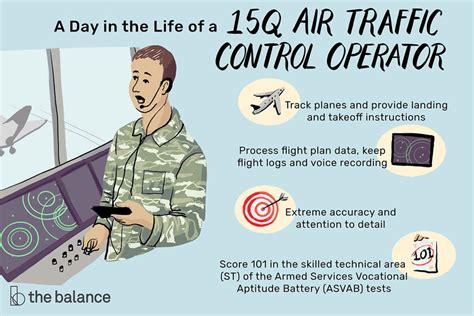
Entering the world of 15Q Air Traffic Control (ATC) in the U.S. Army is stepping into a career built on precision, timing, calm communication, and a level of situational awareness that reshapes the way we perceive the sky. We understand the excitement, nerves, and ambition behind preparing for Basic Training, AIT, and eventually life in the tower or tactical field. This guide brings together knowledge shared within the Army aviation community—especially voices from former and current controllers—to help future 15Qs build confidence and direction long before stepping into Fort Novosel’s training environment.
The journey begins with understanding what actually matters before shipping out. Many incoming recruits want to study early, imagining thick manuals or complex FAA publications waiting for them at home. The truth is more reassuring: the Army designs the curriculum so that even those who walk in with zero aviation knowledge can succeed. Instead of studying ahead, the foundations that help most involve discipline, patience, and staying medically cleared for flight status.
The Realities of 15Q AIT: What Training Looks Like
Army ATC training at Fort Novosel creates a structured, high-focus environment that slowly transitions recruits into technical proficiency. Every element—from handwritten tests to simulation labs—exists to build confidence. We spend long hours learning phraseology, airspace logic, radio communication, and teamwork, but the pace is rarely overwhelming. The biggest secret shared by experienced controllers is this: maintaining a positive attitude is the ultimate edge in AIT.
AIT blends classroom theory with hands-on application. The early weeks are heavily academic. Trainees learn how airspace is divided, how visual flight rules work, and how controllers sequence traffic during routine operations or emergencies. As the course continues, simulation labs begin, placing trainees in increasingly complex traffic situations using mock towers, radar consoles, and tactical environments. The Army provides ample study time and repetition to ensure each trainee fully absorbs the material.
Understanding Flight Status, Up-Slips, and Medical Requirements
One of the topics that confuses new recruits is the flight status up-slip, essentially a medical approval confirming a soldier is fit for duty in positions tied to aviation operations. Controllers must pass a flight physical—sometimes already completed at MEPS or handled at Fort Jackson. This exam evaluates vision, hearing, medications, injuries, and overall readiness.
Wearing glasses is not a problem; many ATCs wear corrective lenses. What matters most is avoiding disqualifying medications and protecting physical health. Injuries or certain prescriptions can temporarily or permanently restrict the ability to remain on flight status. Once in the program, the rules are fully briefed, and future controllers quickly learn how to stay compliant.
Why Fort Novosel Matters for Your ATC Future
One consistent piece of advice from Army aviation communities is simple: if your goal is to earn a Control Tower Operator (CTO) certification and transition to the FAA later, request Fort Novosel as your first duty station.
Fort Novosel—formerly Fort Rucker—houses the highest concentration of Army tower facilities, plus instructors and leadership deeply experienced in tower operations. This environment gives new 15Qs the strongest probability of sitting in a real tower, earning ratings, and eventually completing requirements for the Army CTO. Soldiers stationed at tactical-only units often spend their entire contracts working in the field, never stepping foot in a tower.
Requesting Novosel happens toward the end of AIT, when trainees list preferred duty stations online or through a structured form. Although the Army ultimately assigns soldiers based on need, the majority of trainees avoid choosing Novosel simply because they want to escape Alabama—meaning those who do request it often have a decent chance of receiving it.
How Long It Takes to Earn a CTO
A common misconception is that the CTO is required to join the FAA. In reality, civilians without tower experience can apply “off the street,” take the exam, and attend the FAA Academy in Oklahoma. However, earning an Army CTO allows controllers to bypass the entrance exam and skip the academy entirely.
Once assigned to a tower at Novosel, the average timeline reported by former 15Qs is around six months to complete all necessary ratings. This period includes local airfield indoctrination, live traffic guidance under supervision, and final evaluation by facility leadership. Soldiers with strong focus and quick learning skills may finish slightly earlier, while others take longer depending on traffic complexity and shift availability.
Tactical Units vs. Tower Assignments: Choosing the Best Path
The Army operates two major types of ATC environments: tactical units and fixed-base tower facilities. Each provides different experiences and long-term outcomes.
Tactical units work in the field using mobile ATC platforms, often supporting helicopter operations during training exercises. This environment teaches quick decision-making and mobility, but rarely helps soldiers gain tower ratings. Some bases with tactical missions may allow controllers to work occasionally inside a tower, but this is inconsistent and never guaranteed.
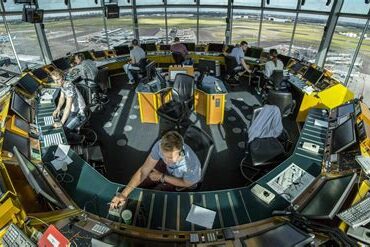
Tower units, mostly located at Fort Novosel, provide direct exposure to real-world airfield operations. This is where controllers issue clearances, manage multiple aircraft types, handle emergencies, and coordinate with other aviation agencies. For anyone looking to build a meaningful ATC career beyond the Army, towers form the gold standard of experience.
Expected Work Schedule in the 15Q Field
Work schedules vary dramatically depending on assignment. Tactical units follow a standard garrison rhythm with mornings devoted to PT, work blocks spread through the afternoon, and typical weekends off. Tower units follow FAA-style shift patterns.
Most Army towers are not 24-hour facilities, though they open early and close late. Shifts commonly run between 4 to 8 hours, and regulation allows controllers to work up to 10 hours per day. Federal crew-rest requirements mandate at least 8 hours of rest between shifts and a minimum 24-hour rest period each week.
Schedules may include early mornings, late evenings, or rotation through multiple crews. Tower controllers often build tight-knit crew cultures, enhancing camaraderie and ensuring seamless communication during high-traffic periods.
Promotion Speed and Career Growth as a 15Q
Many recruits wonder how quickly they can rise in rank as a 15Q. Promotion depends heavily on Army-wide needs and individual performance, but ATC soldiers often find themselves well-positioned due to the technical nature of the MOS and its historically steady demand.
Those who earn tower ratings or complete their CTO early usually stand out in evaluations, which can accelerate advancement opportunities. Strong performance in simulations, spotless communication habits, and consistent professionalism during live operations also strengthen promotion potential.
Transitioning to the FAA: Understanding Age Requirements
The FAA enforces strict age limits for hiring controllers from civilian pathways. Normally, applicants must start FAA training before age 31. However, prior military ATC experience modifies this rule.
Former controllers note that experienced-based bids often allow prior 15Qs to join as long as they are appointed into a 2152 ATC position before turning 35, though rules may vary by hiring cycle. Those unsure about age flexibility should consult not recruiters but qualified FAA controllers or experienced ATC professionals, as they understand the nuances.
Alternative hiring paths exist, including occasional “off the street” bids listed on USAJobs. These allow applicants up to around age 31 during application, not during hiring.
Life After AIT: Building a Strong Professional Identity
Success as a 15Q comes from more than raw knowledge. It stems from curiosity, composure, empathy, and a willingness to learn from every transmission issued over the radios. Army ATC creates an environment where each instruction can influence safety and mission outcomes. Those who embrace the responsibility grow rapidly, developing confidence and communication habits that follow them throughout their professional lives.
While preparing ahead academically rarely helps, building good habits does. Staying healthy, maintaining discipline in communication, supporting teammates, and practicing adaptability make the difference between completing the course and excelling. Once stationed, taking opportunities seriously—especially tower work—shapes long-term career possibilities.
Stepping into the 15Q world is stepping into a career where every moment matters. The sky becomes a workplace, a puzzle, a constant source of challenge and pride. New controllers join a tradition shaped by precision and trust, and they discover quickly that the skills learned inside an Army tower hold value across the aviation world, from military operations to civilian FAA facilities. The journey is demanding, but deeply rewarding, creating a pathway that blends discipline, technical expertise, and an enduring connection to the rhythm of flight.