Fire Extinguishing Agents
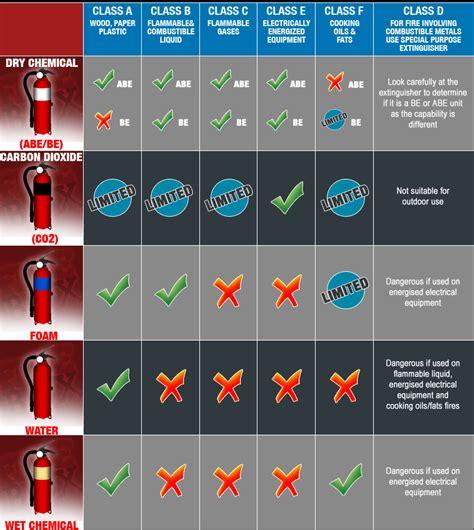
Fires can be classified based on the materials that are burning. Generally, there are four main types of fires:
-
Class A: Ordinary combustibles like wood, paper, and plastic.
-
Class B: Flammable liquids or gases, such as fuels, alcohol, and aerosols.
-
Class C: Electric fires.
-
Class D: Combustible metal fires, including magnesium and potassium.
Each fire classification requires a different approach to extinguishing it. This is why airport rescue and firefighting services (RFFS) need a variety of fire suppression tools. In this article, we will explore three main categories of fire extinguishing agents used by the RFFS for aircraft fires: Primary Agents, Supplementary Agents, and Other Agents.
Primary Agents
Foam is the primary agent for extinguishing aircraft fires. Foam fire suppressants are made of bubbles with a lower specific gravity than hydrocarbon fuels or water. This foam has strong cohesive qualities, allowing it to cover and stick to both vertical and horizontal surfaces. Aqueous foam cools hot surfaces effectively due to its high water retention ability. It can flow over burning liquid surfaces, creating a tough blanket that seals off explosive and flammable vapors from oxygen. Good-quality foam should be dense, long-lasting, and stable against wind or drafts. It must also withstand intense thermal radiation and re-seal if the blanket is mechanically disrupted.
Supplementary Agents
Supplementary agents, also known as secondary agents, are carried on rescue vehicles to address specific firefighting needs, especially those common in airport operations. These agents can be used alone or in combination with foam for particular firefighting tasks, such as tackling three-dimensional running fuel fires. This category includes:
-
Dry Chemical
-
Halotron® I
-
Carbon Dioxide
Other Agents
In addition to the main categories, there are special-use fire extinguishing agents available for airport firefighting services. Notably, agents for combating Class D fires (combustible metals) like magnesium fires are termed combustible metal agents. In certain fire situations, “wetting agents” may also be useful. These agents can be in liquid or powder form and are defined as chemical compounds that reduce water’s surface tension when added in proper quantities. This increase in penetration and spreading abilities can enhance emulsification and foaming. However, these agents should never be mixed in the tanks of primary agents.