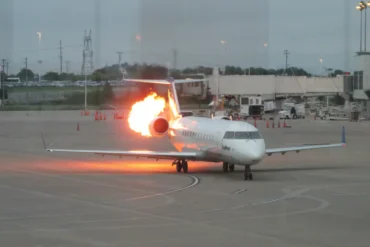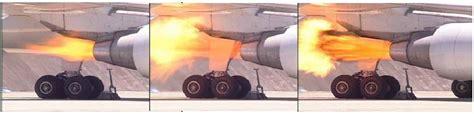
A jet engine tailpipe fire, often called an internal fire, happens within the normal gas flow path of the engine. This type of fire occurs only on the ground, specifically during engine starts or shutdowns. Identifying a tailpipe fire can be challenging for flight deck crews since its location does not trigger engine fire warning systems. Instead, the crew may notice unusual rises in exhaust gas temperature (EGT), turbine inlet temperature (TIT), or interstage turbine temperature (ITT), depending on the aircraft model.
Tailpipe fires are caused by an excess of fuel in the combustion chamber, turbine, or exhaust nozzle. This can lead to visible flames exiting the engine exhaust or smoke from either the exhaust or engine inlet. While tailpipe fires can look dramatic, they rarely cause engine damage because they occur in parts designed to withstand very high temperatures. However, significant flames could potentially harm other components, like the flaps.
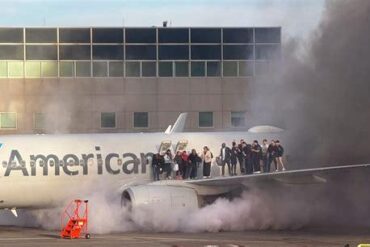
Ground crews, air traffic control (ATC), or cabin crew usually spot tailpipe fires first and report them to the flight deck as engine fires. This can lead to confusion, as the crew might apply the engine fire procedure instead of the correct tailpipe fire procedure. If a tailpipe fire occurs, the flight crew should abort the start or continue with the shutdown to cut off fuel flow to the engine. They should then dry-motor the engine to extinguish the flames and eliminate any remaining fuel.
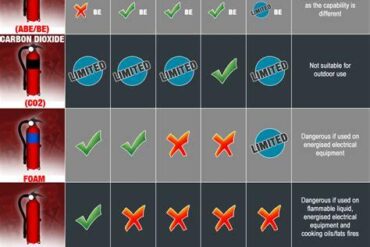
Following the engine fire drill won’t help, as the fire agent is released outside the engine core. Additionally, activating the engine fire emergency sequence may prevent the ability to dry-motor the engine. Unless dry-motoring is impossible due to a lack of bleed air or other reasons, ground assistance to extinguish the fire is generally unnecessary. Rescue and Fire Fighting Services should only intervene as a last resort, as fire extinguishing agents can potentially cause corrosive damage to the engine.