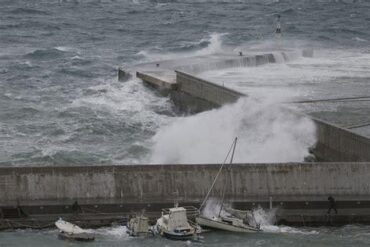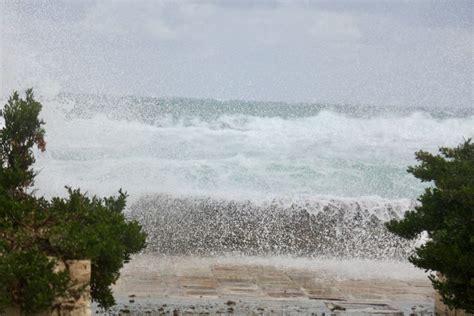
In a decisive move to protect public safety and ensure the integrity of its maritime infrastructure, Greece has mandated a full suspension of sea travel from its major ports, including Piraeus, Rafina, and Lavrio. This emergency measure comes in response to severe gale-force winds that have swept across the Aegean region, with wind speeds reaching alarming levels on the Beaufort scale. Authorities activated emergency protocols to halt all ferry operations, thereby safeguarding thousands of summer travelers from escalating storm conditions that could jeopardize their safety. The temporary shutdown not only impacts vital connections to the picturesque Greek islands but also underscores the government’s urgent response to extreme weather patterns that threaten both tourism flow and regional transportation stability at the peak of the summer season.
The order to suspend all maritime movement was enacted on Sunday, June 29, as the country grappled with severe weather conditions. Wind speeds recorded at levels seven to eight on the Beaufort scale posed significant risks to passenger and vessel safety, prompting the coast guard’s intervention. This comprehensive ban affects ferries and other marine vessels attempting to depart from these crucial gateways that connect the Greek mainland with its extensive network of islands, essential for both tourism and local economies.

While most ferry routes remain closed, limited services to the islands of the Saronic Gulf continue under strict safety protocols. Each sailing is subject to the captain’s approval and must comply fully with established maritime safety procedures. These exceptions are assessed on a case-by-case basis, reflecting the authorities’ cautious approach amid unpredictable sea conditions. Travelers planning journeys to these islands must remain vigilant, checking with local port officials, shipping companies, or travel agents to verify any alterations or cancellations to ferry schedules before embarking on their travels.
As of midday on Sunday, reports from state broadcaster ERT indicated that the sailing ban would remain in effect until early evening, between 5:00 p.m. and 6:00 p.m., depending on updates from the National Meteorological Service (EMY). This time frame is crucial for travelers who must navigate their plans amidst the uncertainty caused by the weather.
Forecasts from meteorologists suggest a glimmer of hope, as the intense winds are expected to weaken slightly, dropping to levels six to seven on the Beaufort scale by Monday, June 30. A further reduction in wind intensity is anticipated on Tuesday, July 1, 2025, which may allow maritime traffic to gradually resume operations. However, officials have emphasized that any resumption will depend entirely on updated weather assessments and rigorous safety evaluations.
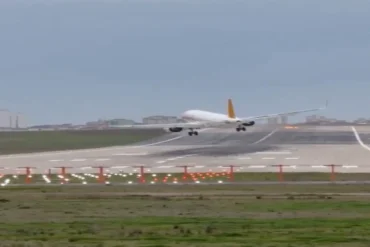
The impact of this weather-related disruption extends beyond Greece’s borders. In neighboring Turkey, worsening weather conditions have led to the closure of Adnan Menderes Airport near Izmir, a popular entry point for tourists heading to the Aegean resorts. Flights were abruptly halted on Sunday, with take-offs and landings suspended as evacuations occurred amid the deteriorating weather. Although some flights resumed later that evening, many passengers faced delays exceeding twenty hours. For instance, an international flight bound for London, originally scheduled for Sunday evening, was postponed until late Monday night, illustrating the cascading effect of the weather emergency on air travel networks.
The repercussions of the airport closure have been extensive, disrupting both domestic and international flight routes. Passengers traveling to major destinations such as London Stansted, Dublin, and Brussels found their itineraries thrown into chaos. Airlines are scrambling to reassign slots and reschedule flights, though the backlog continues to frustrate travelers. Authorities have urged passengers to maintain constant communication with their airlines and monitor real-time updates through official channels. With both maritime and aviation sectors facing exceptional strain, coordinated communication is essential to mitigate further delays and ensure public safety.
Greece’s suspension of all sea travel from key ports due to dangerous gale-force winds highlights the nation’s proactive measures to protect passengers and maintain essential island routes during the peak tourist season. This emergency ban emphasizes the swift response to extreme weather conditions that disrupt regional travel and the broader implications for tourism.
The current crisis brings to light the growing vulnerability of transport infrastructure in Southern Europe to volatile weather patterns. As summer travel peaks, countries like Greece and Turkey are confronted with the dual challenges of ensuring visitor safety and preserving the flow of vital tourism revenue. Improved forecasts indicating a potential easing of wind conditions offer hope for a phased return to normal operations for maritime and aviation services. Nevertheless, the recent wave of cancellations, delays, and closures serves as a stark reminder of how swiftly nature can upend even the most meticulously planned journeys.
Travelers throughout the region are being advised to maintain flexibility in their plans, keep abreast of alerts from weather agencies and transport operators, and prioritize safety above all. It is a time for vigilance, adaptability, and a collective effort to navigate the unpredictable waters of travel during this tumultuous weather period.