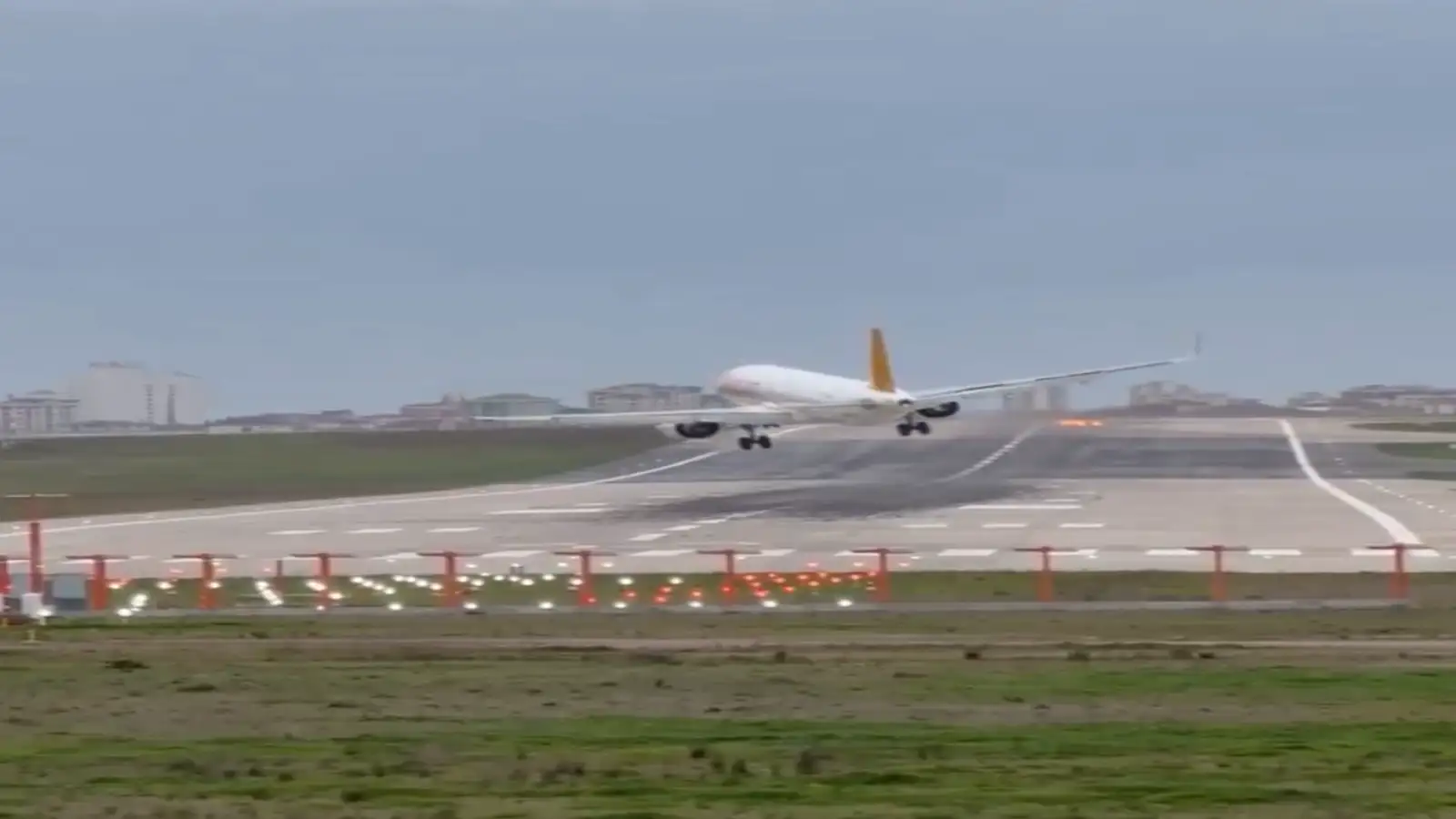
The skies over Istanbul turned hostile as violent winds and driving rain swept across the city, disrupting one of Europe’s busiest aviation corridors and forcing flight crews into split-second decisions. During the height of the storm, a Pegasus Airlines Airbus A320neo was captured on video moments from touchdown at Sabiha Gökçen International Airport (SAW) before abruptly abandoning the landing. The dramatic maneuver underscored how quickly routine arrivals can become high-risk operations when meteorological conditions deteriorate.
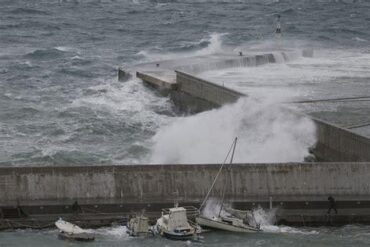
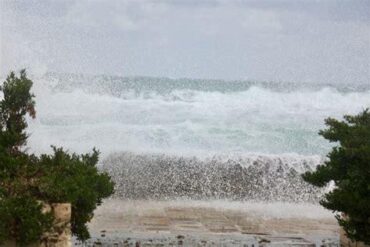
Severe weather systems rolling in from the Marmara Sea battered Istanbul throughout the day, producing powerful crosswinds, sudden gusts, and low-level wind shear. Both Istanbul Airport (IST) and Sabiha Gökçen experienced widespread disruption, with dozens of cancellations and delays cascading through airline schedules. While diversions are standard when conditions exceed safety margins, some aircraft attempted approaches during brief weather lulls, relying on precise timing and real-time wind assessments.
The Pegasus A320neo’s approach illustrated the razor-thin margins involved. As the aircraft descended over the runway threshold, strong lateral gusts destabilized the jet, causing visible oscillations just meters above the asphalt. In those final seconds—when there is no room for hesitation—the flight crew initiated a go-around, applying thrust and climbing away rather than risking an unstable touchdown. It was a textbook example of disciplined decision-making under pressure, prioritizing safety over schedule.
A Go-Around at the Last Possible Moment
Video footage circulating online shows the A320neo aligned for landing before the wind abruptly asserts itself, pushing the aircraft off its centerline. The jet’s nose yaws against the gusts as the pilots fight to stabilize the approach. When the aircraft fails to meet stabilized approach criteria—strict parameters for speed, descent rate, and alignment—the only correct response is to abandon the landing. The go-around was executed seconds before touchdown, highlighting both the intensity of the wind and the crew’s situational awareness.
Details about the flight’s origin and passenger count were not immediately disclosed, but the A320neo typically seats up to 186 passengers in Pegasus Airlines’ all-economy configuration. What remains unknown is whether the aircraft attempted another landing at SAW after conditions improved or diverted to an alternate airport where winds were within acceptable limits. In either case, the incident reinforces how weather, not pilot skill or aircraft capability, ultimately dictates outcomes.
Why Crosswinds Are One of Aviation’s Toughest Challenges
Crosswinds present a unique threat during landing because they act perpendicular to the runway, forcing pilots to counteract sideways drift while maintaining precise descent control. According to widely cited Airbus operational data, the A320neo’s maximum demonstrated crosswind limit is 38 knots, including gusts, under optimal conditions. Exceeding that threshold—or approaching it on a wet runway with reduced braking performance—can instantly invalidate a landing attempt.
Pilots use a technique known as “crabbing” to manage these forces, flying the aircraft slightly angled into the wind to maintain runway alignment. To passengers, it can feel as though the aircraft is sliding sideways through the air. In the final moments before touchdown, the pilots must straighten the nose and align the landing gear with the runway, all while gusts continue to buffet the airframe. When winds fluctuate unpredictably, that window can close in an instant.
Istanbul’s Geography and Weather: A Volatile Mix
Istanbul’s location between the Black Sea and the Marmara Sea makes it especially vulnerable to fast-moving storm systems. Sudden pressure changes and temperature contrasts can generate violent gust fronts, particularly during winter and transitional seasons. Sabiha Gökçen Airport, positioned on the city’s Asian side, is more exposed to certain wind directions, increasing the likelihood of crosswind-heavy approaches compared to other regional airports.
During this storm, meteorological reports indicated rapid wind shifts and peak gusts well above average, creating conditions where even brief calm periods could be followed by sudden spikes. For flight crews, that unpredictability is often the deciding factor. A landing that appears acceptable at 500 feet can become unsafe at 50.
Pegasus Airlines and a Modern, Wind-Tested Fleet
Pegasus Airlines operates one of the youngest fleets in Europe, with more than 100 Airbus A320neo and A321neo aircraft forming the backbone of its operations. These jets are equipped with advanced fly-by-wire systems, enhanced flight controls, and real-time wind data integration, all designed to help crews manage challenging conditions. Yet no amount of technology overrides operational limits.
As a major low-cost carrier serving over 150 destinations across more than 50 countries, Pegasus moves tens of millions of passengers each year. In 2024 alone, the airline carried over 37 million travelers, making operational resilience a daily necessity. The Istanbul go-around demonstrates how that resilience works in practice: when conditions cross the line, flights do not press on—they pull away.

A Reminder of Aviation’s Safety Culture
To observers on the ground or viewers online, an aborted landing can look alarming. In reality, it is often the clearest sign that safety systems are functioning exactly as intended. Commercial pilots train extensively for go-arounds, practicing them until the response becomes instinctive. Airlines encourage conservative decisions, knowing that a delayed arrival is infinitely preferable to a compromised landing.
The Pegasus Airlines A320neo’s aborted landing in Istanbul serves as a vivid case study in modern aviation safety. Wicked winds may dominate the headlines, but the real story lies in the disciplined judgment that turns a dangerous approach into a controlled climb back into safer air. In the complex dance between aircraft, weather, and human decision-making, walking away from the runway is sometimes the most skillful move of all.