Landing an aircraft is often portrayed as the dramatic finale of a flight, the moment when hundreds of passengers hold their breath as the wheels meet the runway. Yet within professional aviation, pilots understand a critical truth: a safe landing is not defined by touching down—it is defined by making the right decision. Sometimes that decision is to abandon the landing entirely.
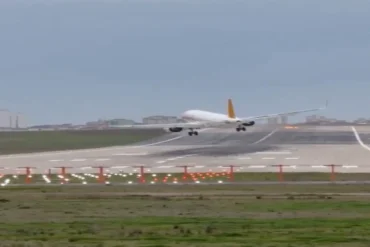
When a pilot rejects a landing moments before touchdown, the maneuver is called a go-around or rejected landing. While it may feel surprising or even alarming to passengers, it is a standard and carefully trained procedure designed to preserve safety when conditions are not ideal. Executing a last-second go-around requires precise coordination, aerodynamic awareness, and immediate communication between the flight crew and air traffic control.
Understanding what actually happens during those tense seconds reveals the remarkable discipline and engineering that underpin modern aviation safety.
The Moment a Landing Is Aborted
As an aircraft approaches the runway, pilots continuously evaluate the stability of the approach. Parameters such as airspeed, descent rate, alignment with the runway, engine thrust, and wind conditions must remain within strict limits. If any element falls outside acceptable boundaries, the landing must be discontinued.
In these moments, the pilot monitoring typically calls out a simple but decisive command: “Go around.”
The pilot flying immediately initiates the maneuver. In most modern airliners, this begins with pressing the TO/GA (Takeoff/Go-Around) switches or advancing the thrust levers. Within seconds, powerful turbofan engines surge forward, dramatically increasing thrust.
Passengers often feel the sudden acceleration and hear the engines spool up as the aircraft transitions from descent to climb. Instead of touching down, the airplane begins to rise away from the runway.
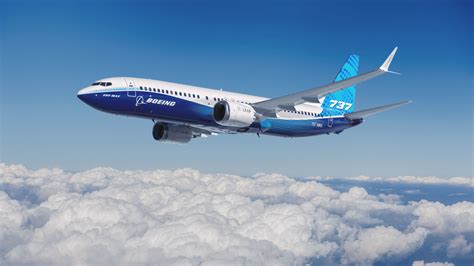
Although the maneuver happens quickly, it follows a strict sequence designed to maintain aerodynamic stability and terrain clearance.
Why Pilots Sometimes Abort Landings
A rejected landing can occur for many reasons. Aviation procedures prioritize stable approaches, meaning the aircraft must meet specific criteria by a predetermined altitude. If those criteria are not met, continuing the landing could become unsafe.
Among the most common triggers are:
- Unstable approach parameters, such as excessive speed or descent rate
- Air traffic control instructions to maintain separation between aircraft
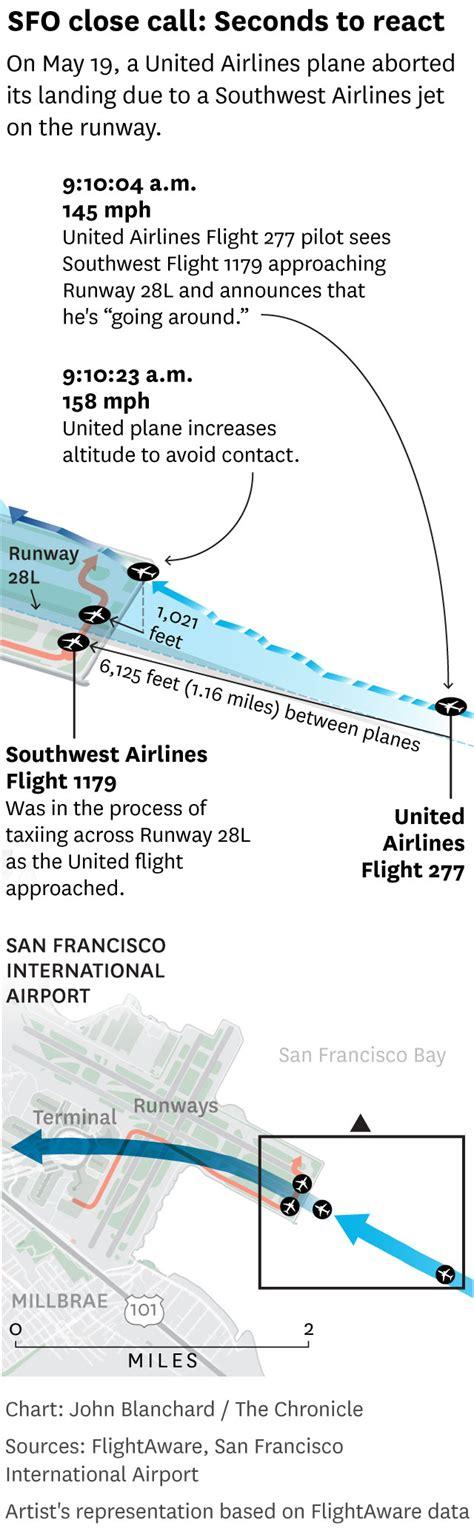
- Runway incursions, such as vehicles or aircraft still on the runway
- Wake turbulence from a preceding aircraft
- Sudden wind shear or gusts that destabilize the approach
- Mechanical or system anomalies
At busy airports where aircraft arrive every minute, sequencing becomes critical. If spacing between two planes becomes too tight, controllers may instruct the trailing aircraft to go around.
A classic example occurs when the preceding aircraft fails to vacate the runway quickly enough. Large airports often feature high-speed taxiways allowing landing aircraft to exit the runway at up to 60 knots. But if the pilot misses that exit and must slow down for a sharp turnoff, the aircraft behind may have no option but to climb away.
From the passenger cabin, it might appear sudden. Inside the cockpit, the decision is calculated and immediate.
The Difference Between a Go-Around and a Missed Approach
Although often used interchangeably, go-around and missed approach carry slightly different meanings in aviation terminology.
A go-around typically refers to aborting a landing while visually approaching the runway or during the final stages of descent.
A missed approach, on the other hand, occurs during instrument approaches when the runway environment cannot be safely identified at the decision altitude.
Pilots must then follow a published missed approach procedure, which includes a predetermined route and altitude designed to keep aircraft safely separated from terrain and other traffic.
These procedures are charted for every instrument runway in the world. They provide clear guidance on where the aircraft must fly if the landing cannot continue.
In both situations, the outcome is similar: the aircraft climbs away from the runway and prepares for another approach.
The Complex Aerodynamics of a Last-Second Go-Around
To the casual observer, a go-around might appear simple—apply power and climb. In reality, it is one of the most aerodynamically delicate maneuvers in aviation, especially when performed close to the ground.
During landing, aircraft operate in a configuration optimized for low speed. Flaps are extended, landing gear is down, and thrust is reduced. The aircraft is also flying within ground effect, a phenomenon where airflow changes near the surface reduce drag and increase lift.
Initiating a climb in this configuration requires careful management of pitch attitude, thrust, and flap retraction.
If the pilot pulls the nose up too aggressively, the aircraft may approach a stall. If the flaps are retracted too quickly, lift can suddenly decrease. Maintaining the proper climb profile is critical.
Large jetliners also carry significant inertia. Even with maximum thrust applied, it takes several seconds for engines to produce full power. During those seconds, the aircraft may continue descending briefly before climbing.
The pilot must anticipate this delay and manage energy carefully.
Why Some Go-Arounds Require Descending First
One of the least understood aspects of rejected landings is that a go-around does not always mean climbing immediately.
In certain cases, the aircraft must actually descend temporarily to comply with air traffic procedures.
Imagine two aircraft approaching the same runway with insufficient spacing. Air traffic control may instruct the trailing aircraft to go around and follow a published missed approach altitude of 2,000 feet.
But if the aircraft initiating the go-around is already above that altitude, climbing immediately could cause it to overshoot the assigned level and conflict with other traffic.
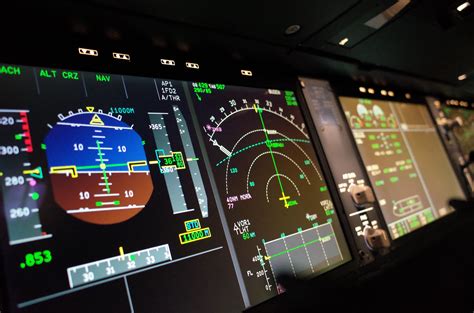
Instead, pilots must carefully manage pitch and thrust to intercept the correct altitude profile. This scenario highlights why a go-around demands situational awareness and precise energy management, not just raw engine power.
Inside the Cockpit: The Go-Around Procedure
While every aircraft type has unique procedures, the fundamental steps of a go-around remain consistent across aviation.
Once the maneuver is called, pilots execute a structured sequence designed to stabilize the aircraft quickly.
Typical actions include:
- Advancing thrust to go-around power
- Establishing a positive climb attitude
- Confirming positive rate of climb
- Retracting the landing gear
- Gradually retracting flaps in stages
- Following the missed approach routing
Throughout the maneuver, both pilots perform defined roles. One flies the aircraft while the other communicates with air traffic control, announcing “going around” and receiving further instructions.
This division of responsibilities ensures that workload remains manageable during one of the busiest moments of flight.
The Challenge of a Bounced Landing Go-Around
Some of the most complex rejected landings occur after the aircraft has already touched the runway.
If the landing is too firm or the aircraft contacts the runway at the wrong angle, it may bounce back into the air. In such cases, pilots must quickly decide whether to continue the landing or initiate a go-around.
Large jets introduce additional complications due to automatic systems such as speed brakes.
Many airliners automatically deploy speed brakes when the thrust levers are at idle and the aircraft senses weight on the wheels. But if the thrust levers are not fully idle during the first touchdown, the system may not deploy.
This can cause the aircraft to bounce higher than expected.
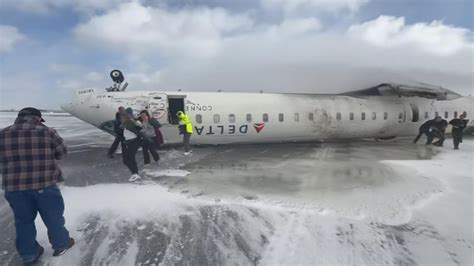
If the pilot then reduces thrust during the bounce, the speed brakes may suddenly deploy, decreasing lift dramatically and pitching the nose upward. This combination can create a dangerous situation known as a tail strike, where the rear fuselage contacts the runway.
Understanding these aerodynamic interactions is critical when executing a safe go-around from a bounced landing.
The Critical Role of Approach Briefings
Because rejected landings can occur under many circumstances, pilots prepare for them before every single approach.
During the approach briefing, both pilots review the expected landing plan and the procedure they will follow if the landing must be aborted.
This briefing typically covers:
- Missed approach altitude and routing
- Navigation modes such as LNAV or heading select
- Potential threats such as windshear
- Nearby terrain and obstacles
- Fuel reserves and diversion plans
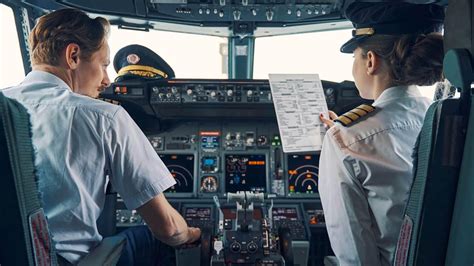
By discussing these elements in advance, both pilots develop a shared mental model of what will happen if a go-around becomes necessary. This preparation dramatically reduces reaction time during real-world situations.
In aviation, preparation often determines whether complex maneuvers remain routine.
Fuel and Operational Considerations
Although a go-around is primarily a safety decision, it also carries operational implications.
Climbing away from the runway requires substantial engine thrust, which burns significantly more fuel than a stabilized descent. Airlines therefore account for possible go-arounds when planning flight fuel loads.
Pilots also consider how many attempts they can safely make before diverting to an alternate airport.
Weather conditions such as low visibility, strong crosswinds, or wind shear may lead to multiple missed approaches before a successful landing becomes possible. In such scenarios, crews continuously evaluate remaining fuel and determine whether another approach is practical.
These calculations are part of the disciplined decision-making that defines professional flight operations.
Common Errors During Rejected Landings
Despite extensive training, go-arounds remain a maneuver where errors can occur if pilots hesitate or mismanage aircraft energy.
According to aviation training guidance, typical mistakes include:
- Failing to recognize an unstable approach
- Indecision about abandoning the landing
- Abrupt or delayed power application
- Improper pitch control
- Incorrect flap or gear configuration
One particularly challenging situation occurs during single-engine operations in multi-engine aircraft. If one engine fails, applying power too quickly on the remaining engine can create powerful asymmetric thrust.
The aircraft may yaw sharply, requiring significant rudder input to maintain directional control. Smooth, coordinated power application becomes essential.
Mastering these nuances is why pilots repeatedly practice go-arounds in simulator training sessions throughout their careers.
Why a Go-Around Is a Sign of Good Airmanship
To passengers unfamiliar with aviation procedures, a sudden climb just before landing can feel unsettling. In reality, it demonstrates exactly what modern aviation safety culture demands: decisive action when conditions are not perfect.
Professional pilots are trained from their earliest flights to treat unstable approaches with zero tolerance. If any doubt exists, the safest choice is simple—climb away and try again.
Ironically, pilots often say that the best landing is sometimes the one that never happened.
Executing a go-around shows discipline, situational awareness, and respect for the fundamental principle that guides every flight operation: safety before schedule.
Conclusion: The Precision Behind a Last-Second Decision
A rejected landing is far more than a sudden burst of engine power. It is a carefully choreographed maneuver involving aerodynamic awareness, cockpit coordination, and strict adherence to procedures designed over decades of aviation experience.
From the moment a pilot calls “go around,” dozens of actions unfold in seconds—engines accelerate, pitch guidance changes, flaps retract in stages, and navigation systems guide the aircraft safely away from the runway.
What may feel dramatic to passengers is simply another example of aviation’s relentless commitment to safety. Every commercial pilot trains extensively for this moment, ensuring that when conditions demand it, abandoning the landing is executed with precision and confidence.
In the world of aviation, smooth landings are satisfying—but the ability to reject one at exactly the right moment is what truly defines exceptional flying.
FAQs
Is a go-around dangerous for passengers?
No. A go-around is a normal and carefully practiced maneuver in aviation. Pilots train extensively for it, and aircraft are specifically designed to perform it safely even at low altitudes.
How often do go-arounds happen?
Go-arounds are relatively rare but not unusual. At busy airports, they may occur a few times per day, often due to runway traffic or spacing between aircraft.
Can passengers feel when a go-around happens?
Yes. Passengers usually notice sudden engine acceleration and a climb just before landing. The aircraft may also retract its landing gear shortly after the maneuver begins.