Understanding the Role of a Flight Attendant
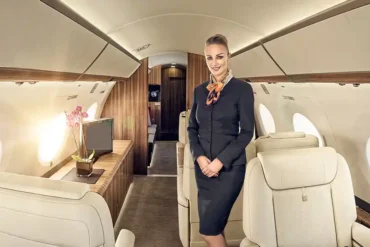
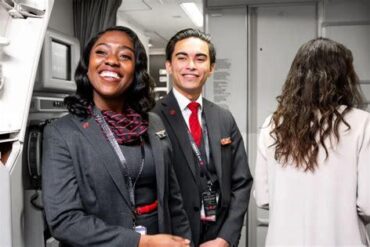
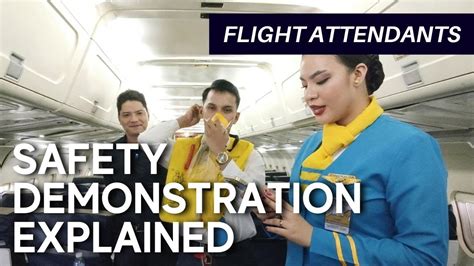
Before we can prepare effectively for a career as a flight attendant, it’s critical to understand the complexity and responsibility that defines this profession. A flight attendant is not just a hospitality provider; they are safety professionals, first responders, and brand ambassadors for an airline. Their tasks range from conducting safety checks and delivering inflight services to managing emergencies and diffusing tense customer situations. Airlines such as Delta Air Lines, Emirates, and Qatar Airways invest heavily in training their crews, which speaks to the importance of the role.
The preparation to join this career must therefore reflect the multifaceted nature of the job. From grooming and etiquette to situational judgment and international protocol, aspiring flight attendants must project professionalism, emotional intelligence, and cultural awareness.
Crafting a Professional Resume and Cover Letter
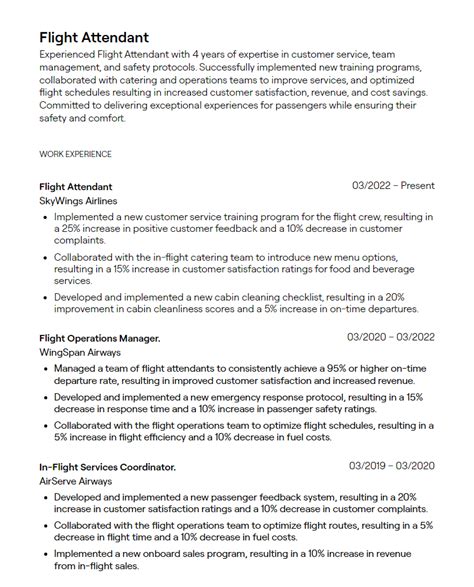
One of the first steps toward becoming a flight attendant is preparing a resume that reflects both competence and personality. Airlines receive thousands of applications for every open flight attendant position. Therefore, your resume must not only highlight your qualifications and certifications but also emphasize soft skills like communication, adaptability, and conflict resolution.
Your resume should include:
-
Education (minimum high school diploma or GED, though a degree is preferred by international carriers)
-
Work experience, particularly in customer service, hospitality, or medical fields
-
Certifications such as CPR, AED, or First Aid
-
Language proficiency, especially if applying to international airlines
-
Availability for flexible schedules, including nights, weekends, and holidays
Complement this with a customized cover letter tailored to the specific airline. Research the airline’s culture and service philosophy, and clearly explain why you are an ideal match.
Acing the Airline Interview Process
Once your application is shortlisted, the interview phase begins — often in multiple stages. Many airlines start with video interviews, followed by in-person group assessments, one-on-one interviews, and in some cases, final evaluations at a training facility.
To excel in the interview:
-
Choose a clean, well-lit space with minimal distractions for video calls.
-
Dress in professional, airline-appropriate attire. Navy, black, and neutral tones are standard.
-
Display excellent verbal communication and body language. Sit upright, smile genuinely, and maintain eye contact.
Interviewers are assessing not only your answers, but your presentation, grace under pressure, and ability to connect with people from all walks of life.
Social Media Presence and Online Image
Modern airlines frequently audit candidates’ digital footprints. Your social media profiles should reflect a professional and positive image. Remove controversial or inappropriate content and consider posting airline-relevant articles, travel insights, or examples of community involvement. These actions can reinforce your personal brand as an engaged, airline-ready professional.
Mastering Behavioral and Situational Questions
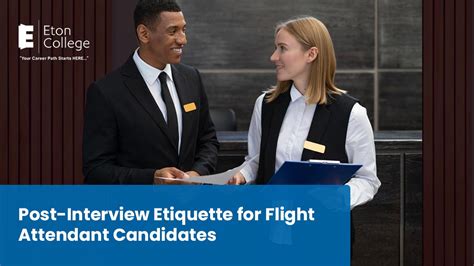
Flight attendants must often think on their feet. Interviewers typically pose scenario-based questions to assess how you would handle real-world inflight situations:
-
“Describe a time you resolved a conflict between two people.”
-
“What would you do if a passenger was afraid of flying?”
-
“How do you respond to someone refusing to follow safety procedures?”
Use the STAR method (Situation, Task, Action, Result) to frame your answers. This format ensures you are providing structured, clear, and outcome-oriented responses. Airlines value candidates who demonstrate empathy, decisiveness, and calm under pressure.
Preparation for Airline Assessment Days
Some carriers, especially full-service and international airlines, host assessment days where dozens of candidates are evaluated together. These days may involve:
-
Group discussions on airline-related scenarios
-
Problem-solving activities to test collaboration
-
Height and reach tests, ensuring you meet physical requirements
-
Written exams on customer service and safety protocol
Be aware that your behavior with fellow applicants is observed. Airlines are evaluating your ability to work in a team — a core component of cabin crew dynamics.

Appearance, Grooming, and Personal Presentation
Airlines hold high standards for grooming and presentation. Even during interviews, your appearance must align with the brand’s image. For example:
-
Clean, polished shoes and minimal accessories
-
Subtle makeup and neat, airline-compliant hairstyles
-
Conservative attire, free from bright or distracting elements
This is not merely about style — it’s about attention to detail, discipline, and understanding the role of image in passenger perception.
Time Management and Punctuality
Arrive at least 15 minutes before scheduled interview times. For in-person interviews requiring travel, arrive the previous day if possible. Flight attendants must operate on precise schedules, and any sign of tardiness can be a red flag.
Being punctual not only shows respect for the employer’s time but also suggests that you are ready for a lifestyle where delays and missed connections can be career-damaging.
Practice, Confidence, and Mindset
Practice cannot be overstated. Rehearse your answers, refine your tone, and simulate high-pressure scenarios. Confidence stems from preparation. Practice with friends or mentors who can challenge you with unexpected questions.
Maintain a positive, enthusiastic tone throughout the process. Remember, airlines are not only hiring for skills but also for emotional reliability. You need to be someone they can trust to remain composed at 35,000 feet.
Post-Interview Conduct and Professionalism
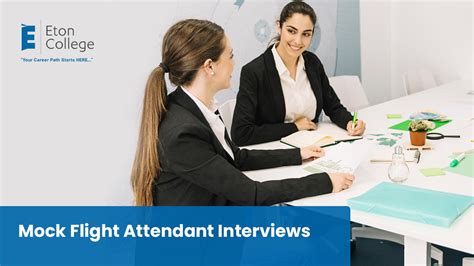
Always send a thank-you email after your interview. Express gratitude for the opportunity, reiterate your interest in the airline, and reaffirm why you are a strong candidate. This subtle step shows professional maturity and helps you stand out.
Even if you’re not selected initially, some airlines retain your profile in a candidate pool for future opportunities. Maintain professional communication and stay updated with their career portal.
Preparing for the Cabin Crew Training Academy
Once selected, you’ll enter the airline’s flight attendant training program. These programs, typically 4–8 weeks long, are rigorous and cover:
-
Aircraft safety procedures
-
Emergency evacuations and first aid
-
Inflight service protocols
-
Cultural sensitivity and language use
-
Crew resource management
Prepare mentally and physically for long hours, frequent testing, and physical drills. A successful training completion is mandatory for receiving your wings and being assigned your first flight.
Frequently Asked Questions
What qualifications do I need to become a flight attendant?
Most airlines require at least a high school diploma or GED, but many prefer candidates with college education or relevant certifications. Fluency in English and a second language is advantageous, especially with international airlines. Certifications in first aid and CPR are also highly recommended.
How long does flight attendant training last?
Training typically lasts 4 to 8 weeks, depending on the airline and aircraft types. It involves theoretical lessons, safety drills, and service simulations. Passing all exams and simulations is required to graduate and receive your wings.
Can I apply to multiple airlines at once?
Yes. In fact, it’s encouraged. Each airline has its own culture, routes, and expectations. Applying to several airlines increases your chances of finding a good fit and receiving an offer. However, tailor each application to the specific airline to demonstrate genuine interest.