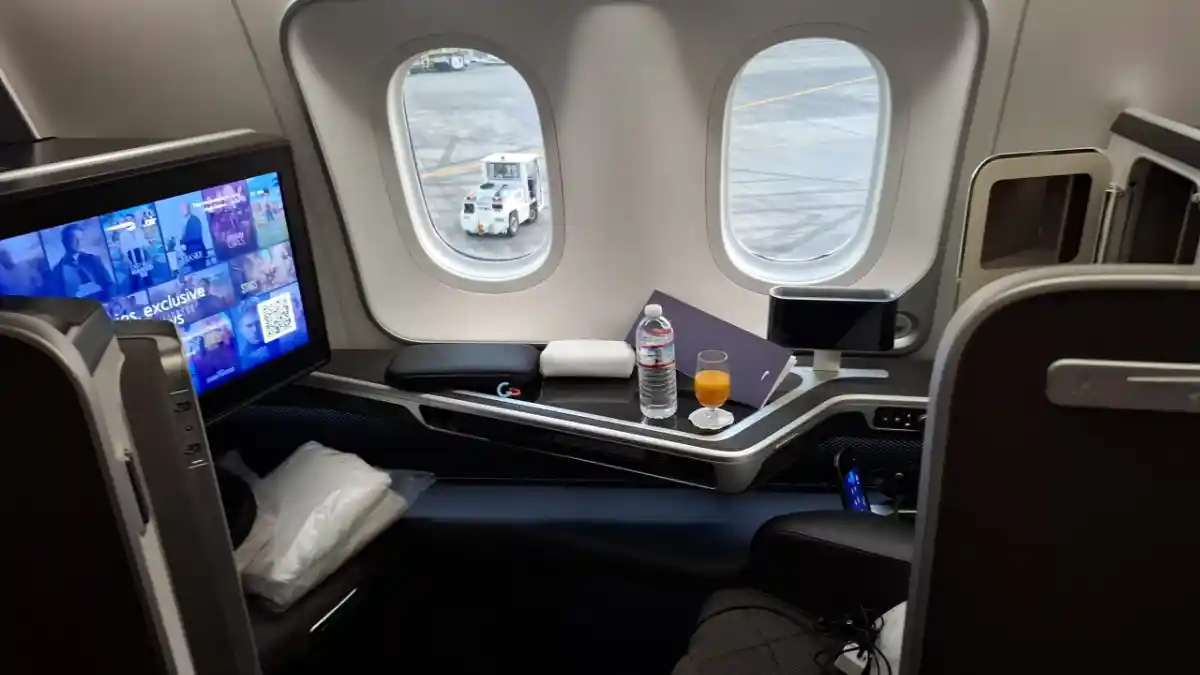
In 2026, one of the most significant transformations in commercial aviation is not taking place in economy class. It is happening behind the curtain of premium travel, where airlines are quietly dismantling the traditional all-inclusive business class experience and replacing it with a complex system of extra charges, fare restrictions, and paid upgrades. For decades, purchasing a business class ticket meant access to a complete luxury package. Lounge entry, priority services, seat selection, flexible changes, and premium treatment were all considered part of the experience. Today, that assumption is rapidly disappearing.
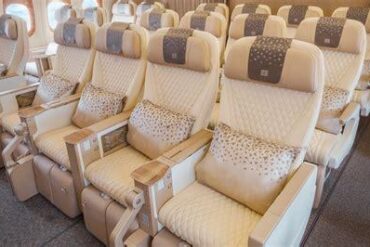
The shift has caught many travelers by surprise. Business class cabins still feature spacious lie-flat seats, gourmet dining, and dedicated service, but increasingly, the surrounding premium ecosystem is being separated into individually priced components. What appears to be a cheaper business class fare often comes with hidden compromises that only become apparent after booking.
As airlines continue searching for new sources of profit, premium travelers have become the latest target of a revenue strategy that has already transformed economy travel. The result is a new era of “Business Lite,” where the seat remains premium, but many of the privileges that once defined luxury air travel now come at an additional cost.
The consequences are reshaping customer expectations, corporate travel policies, and the economics of the global airline industry.
The End Of The Traditional All-Inclusive Business Class Experience
For decades, business class represented a straightforward value proposition. Travelers paid a premium fare and received a premium experience from departure to arrival. The package typically included lounge access, fast-track security, priority boarding, baggage benefits, flexible ticket conditions, premium meals, and the ability to select preferred seats well before departure.
This model helped airlines distinguish premium cabins from economy seating and justified the substantial fare difference. Customers understood exactly what they were purchasing.
That clarity is now fading.
Modern airline pricing strategies increasingly separate the physical seat from the surrounding services. While the lie-flat bed remains included, many supporting amenities have been transformed into optional add-ons. This allows airlines to advertise lower entry-level fares while generating additional revenue after the initial booking.
The strategy mirrors the evolution of basic economy, which successfully taught carriers that passengers often focus on headline pricing rather than the full cost of travel.
By applying the same principles to business class, airlines have discovered a powerful new source of profitability.
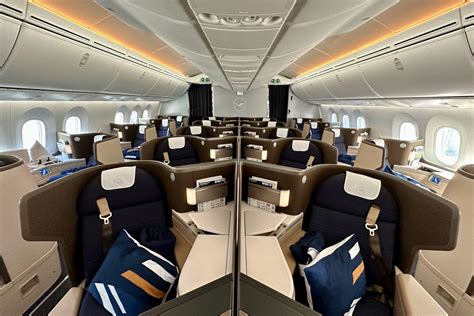
United Airlines Introduced The Concept Of Basic Business Class
The airline that accelerated this trend more than any other was United Airlines.
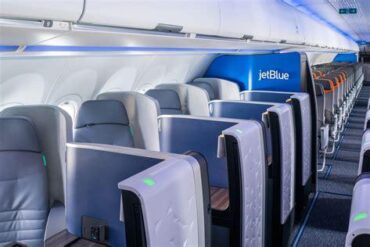
Through its premium cabin restructuring, United divided its long-haul Polaris product into multiple fare categories that vary significantly in included benefits. While passengers purchasing the lowest-priced fare still receive access to the famous lie-flat seat, several premium privileges are removed.
The most controversial change involves airport lounge access. Travelers purchasing entry-level Polaris fares can be denied access to premium Polaris Lounges, reducing what was once a flagship pre-flight experience to a far more limited airport journey.
Advance seat selection has also become restricted in certain fare categories. Rather than choosing a preferred suite immediately after booking, passengers may be required to pay additional fees or wait until later stages of the travel process.
These changes effectively introduce basic economy principles into the front of the aircraft. While travelers still sit in business class, the surrounding luxury ecosystem has been fragmented into separate revenue opportunities.
The move signaled to competitors that premium customers could be segmented just as aggressively as economy passengers.
Why Airlines Are Targeting Premium Travelers For Ancillary Revenue
The answer lies in modern airline economics.
Historically, airlines relied heavily on economy cabins to generate revenue through volume. Premium cabins provided additional profits but represented a smaller share of total passenger numbers.
That equation has changed dramatically.
Premium travelers now generate a disproportionate share of airline profits. Corporate passengers, affluent leisure travelers, and luxury-focused customers consistently pay significantly higher fares than economy passengers. As a result, airlines have increasingly focused their growth strategies on premium products.
Executives have openly acknowledged that premium demand has become one of the strongest drivers of airline profitability. Long-haul business class cabins routinely deliver substantially higher margins than economy seating.
However, airlines have discovered something even more profitable than premium tickets themselves.
Ancillary fees.
A traditional airline ticket may generate relatively modest margins after accounting for operational costs, taxes, and competitive pricing pressures. Ancillary products such as seat assignments, lounge access, baggage fees, and change charges often generate dramatically higher profit margins because the underlying costs are relatively low.
When a passenger pays an additional fee for seat selection, most of that revenue flows directly to the airline’s bottom line.
That financial reality explains why carriers are increasingly breaking premium products into smaller purchasable components.
The Tax Advantage Behind Premium Unbundling
Another factor rarely discussed outside industry circles is taxation.
In several markets, portions of airline taxes are applied primarily to the base fare rather than ancillary purchases. This creates an incentive for airlines to reduce the advertised ticket price while increasing the value of separately purchased services.
From a financial perspective, moving revenue from the ticket itself to optional extras can improve profitability.
This approach allows airlines to collect more revenue while potentially reducing certain tax burdens associated with the original fare structure.
The result is a pricing model that benefits corporate balance sheets while making the true cost of travel less transparent for consumers.
Many passengers believe they are finding a bargain when comparing fares online. Only later do they realize that the lower price excludes services previously considered standard.
How International Airlines Created The Blueprint
While many travelers associate premium unbundling with recent developments in North America, the strategy was pioneered internationally years earlier.
Several major airlines across Europe and the Middle East demonstrated that premium passengers would accept reduced inclusions if the core onboard product remained intact.
The logic was simple.
Most travelers primarily purchase business class for the seat itself, particularly on long-haul flights. As long as passengers still receive a flat-bed seat and premium dining, many will tolerate reductions elsewhere in the journey.
This realization opened the door for airlines to monetize services that had previously been bundled into the fare.
Airlines across multiple continents began introducing tiered premium fare structures that offered different levels of benefits at different price points.
Some restricted lounge access.
Others removed complimentary seat assignments.
Many reduced ticket flexibility.
The underlying strategy remained consistent: preserve the core seat while monetizing everything around it.
The success of these initiatives provided a roadmap that other airlines were eager to follow.
What Business Class Passengers Are Actually Losing
The most important question for travelers is simple: what exactly disappears when purchasing the lowest business class fare?
The answer varies by airline, but several benefits are increasingly vulnerable to removal.
Airport lounge access is often among the first privileges affected. Premium lounges remain one of the most valued aspects of business travel, making them an attractive target for monetization.
Advance seat selection is another frequent casualty. Travelers who previously chose their preferred suite immediately after booking may now face additional charges.
Ticket flexibility has also become increasingly restricted. Lower-tier business fares may impose substantial penalties for changes or cancellations.
Frequent flyer benefits are similarly affected. Some discounted premium fares provide reduced mileage accrual or fewer elite qualification credits.
Priority services may also be limited depending on the carrier and fare family.
Individually, these restrictions may appear minor. Collectively, they can significantly alter the premium travel experience.
A traveler paying thousands of dollars for a business class seat may discover that the journey no longer includes many of the conveniences traditionally associated with luxury travel.
The Hidden Psychology Behind Lower Business Class Fares
Airlines understand consumer behavior remarkably well.
When travelers search for flights online, the first comparison is usually price. Even affluent passengers often focus on the displayed fare before examining detailed inclusions.
This creates a powerful incentive for airlines to reduce headline prices.
A business class ticket advertised at a lower entry point appears more competitive on search engines, travel agency platforms, and corporate booking systems.
Once passengers commit to the booking process, additional purchases become easier to justify.
A traveler who has already spent several thousand dollars on a premium ticket may be more willing to pay extra for seat selection or lounge access.
This psychological phenomenon allows airlines to advertise lower fares while ultimately generating higher total revenue.
In many cases, the final cost approaches or even exceeds the price of traditional fully inclusive business class products.
The difference is that the additional spending occurs gradually throughout the booking journey.
The Corporate Travel Challenge
The rise of unbundled business class creates particular complications for corporations.
Many companies maintain travel policies that authorize employees to fly business class on long-haul routes. Historically, that instruction was straightforward.
Today, it is far more complicated.
An employee may book the cheapest available business class fare only to discover that essential travel tools are missing. Lounge access, flexibility, and seat selection can become separate expenses that require additional approvals.
This creates administrative complexity for procurement departments and travel managers.
Corporate travel policies increasingly need to specify not only cabin class but also acceptable fare categories within that cabin.
Without careful oversight, organizations risk paying for business class while denying employees many of the benefits that make premium travel productive and comfortable.
For frequent international travelers, these missing amenities can have a meaningful impact on efficiency, rest, and overall travel performance.
Why Competitors Are Expected To Follow
One of the defining characteristics of the airline industry is rapid competitive imitation.
When one major carrier successfully introduces a profitable initiative, rivals rarely remain passive.
Investors closely monitor passenger revenue, ancillary income, and premium cabin performance. If one airline demonstrates that premium unbundling can increase profitability without significantly reducing demand, competitors face immense pressure to adopt similar strategies.
This dynamic creates a domino effect.
What begins as a controversial experiment often evolves into an industry-wide standard.
The same process occurred with checked baggage fees, basic economy fares, seat assignment charges, and numerous other ancillary products.
Business class unbundling appears to be following the same trajectory.
As more airlines implement tiered premium pricing structures, travelers may find it increasingly difficult to locate genuinely all-inclusive business class fares.
How Travelers Can Protect Themselves From Hidden Premium Fees
The most effective defense against unexpected charges is careful scrutiny during the booking process.
Travelers should examine fare inclusions rather than focusing exclusively on price. Lounge access, seat selection rights, ticket flexibility, baggage allowances, and loyalty program benefits should all be reviewed before purchase.
Elite frequent flyer status can help offset some restrictions. Many airlines continue to provide lounge access and complimentary seat assignments to top-tier loyalty members regardless of fare type.
Premium co-branded credit cards may also unlock benefits that would otherwise require separate payment.
Most importantly, travelers should recognize that the lowest business class fare is no longer necessarily the best value.
A slightly more expensive fare that includes flexibility, lounge access, and premium services may ultimately provide a superior experience while reducing surprise costs.
The Future Of Luxury Air Travel
The business class cabin of 2026 reflects a broader transformation taking place throughout commercial aviation.
Luxury is no longer defined solely by where passengers sit. Increasingly, it is defined by which ancillary services they choose to purchase.
The lie-flat seat has become the foundation of premium travel rather than its complete definition. Everything surrounding that seat is being reevaluated, repriced, and repackaged.
For airlines, the strategy delivers extraordinary financial benefits. For travelers, it introduces a new level of complexity into premium booking decisions.
The era when business class automatically included every major luxury amenity is fading. In its place emerges a tiered system where the seat remains premium, but the full experience must often be assembled piece by piece.
As more carriers embrace this model, passengers will need to become increasingly sophisticated shoppers. The future of premium travel will not be determined by cabin class alone, but by understanding exactly what is — and is not — included in the fare.