Flying first class has long been the pinnacle of luxury travel—an elite experience marked by lie-flat beds, champagne, lounge access, and priority treatment at every step. But what if that experience was unlimited? What if one could, for a single upfront cost, travel first class anywhere, anytime, for the rest of their life? That fantasy once existed in reality, and its modern equivalent has aviation enthusiasts and financial realists alike speculating about what it might cost today—and whether it would be worth it.
The Golden Ticket: What History Tells Us About Lifetime Passes
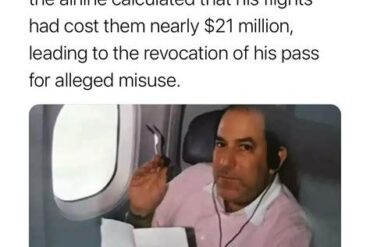
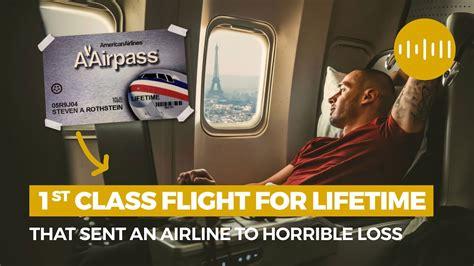
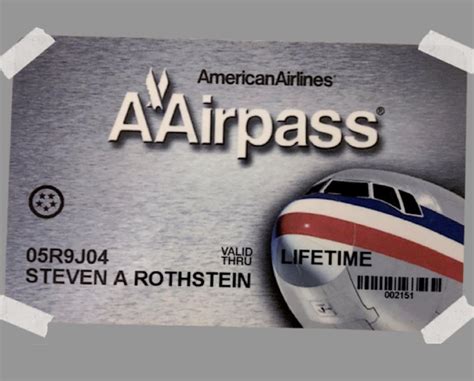
Between 1981 and 1994, American Airlines sold just 66 lifetime AAirpasses. These passes granted holders unlimited travel in first class for life. The original price? A mere $250,000, which adjusts to about $840,000 in today’s money. By 1990, that price jumped to $600,000 and reached $1.01 million in 1993. Despite their limited availability, these passes created significant financial and operational challenges for the airline. Two high-profile revocations, due to excessive and abusive use, led to lawsuits and internal scrutiny. Yet, for those who held on, the passes remain valid even now.
These historical figures provide a benchmark, but we must consider modern variables to estimate a realistic price today. The airline industry has transformed drastically, with new pricing models, evolving aircraft economics, and shifting consumer expectations.
The Modern-Day Price Tag: Speculation Anchored in Economics
Reddit threads and frequent flyer forums buzz with guesses, often centering on a modern price of $1 million to $2 million. That estimate assumes access to global routes in first class, with few booking restrictions. Yet, this figure is shaped by more than just inflation. Consider the cost of private aviation, which runs between $10,000 and $17,000 per hour for high-end jets. A transatlantic round trip could easily cost over $150,000 when chartered, and even short-haul flights average five figures. In that context, an unlimited first-class airline pass—even at $2 million—would offer extraordinary value.
However, airlines are deeply aware of the risks. With fixed costs and tight yield management, granting open-ended access risks displacing full-fare customers, not to mention the missed ancillary revenue from upgrades and perks.
Airline Considerations: Why It’s Not Just About the Price
From an airline’s perspective, selling a lifetime pass introduces multiple dilemmas:
- Zero marginal revenue per seat: Once a pass is sold, every subsequent flight yields no direct income, which upsets modern revenue management systems designed for dynamic pricing.
- Risk of abuse: History shows that a few bad actors can cost millions. Booking phantom flights to secure seats or maximizing lounge access beyond reasonable use become real liabilities.
- Cash flow mismatch: Airlines get the money upfront, but the liabilities extend decades into the future. That creates balance-sheet distortions unless meticulously hedged.
- Flight displacement: High-value business travelers often book last minute at premium prices. A passholder occupying that seat represents lost opportunity.
These operational hurdles are why no major airline offers lifetime first-class passes anymore. Instead, loyalty programs tied to annual spending thresholds and exclusive credit card tiers have become the go-to model.
Usage Patterns: Who Would Actually Use It, and How?
Enthusiasts imagine spontaneous day trips to Paris or weekends in Tokyo, but frequent long-haul travel in first class can also be physically taxing. Some Reddit users shared that, despite the allure, the actual use would likely be more moderate. Family commitments, health constraints, and the sheer exhaustion of frequent flying—even in luxury—act as natural deterrents.
Others point out that the airport experience itself remains a pain point. Security lines, immigration queues, and delays don’t disappear just because you’re flying premium. In this light, unlimited access may not be as glamorous as it sounds.

Still, for digital nomads, global entrepreneurs, and semi-retired wanderers, a lifetime pass offers unmatched flexibility. They’d use it to reposition themselves globally with ease—New York to Milan for fashion week, Los Angeles to Seoul for a product launch, or London to Cape Town just because.
Variations on the Model: Modern Alternatives in the Market
Rather than reviving a true lifetime pass, modern loyalty strategies hint at watered-down versions. Airlines could explore hybrid models that balance user value with financial sustainability:
- Time-limited passes: Instead of lifetime, offer 10- or 20-year terms with annual caps (e.g., 50 round trips per year).
- Advance booking requirements: Limit premium seat access to those who book at least 30 days in advance, deterring last-minute displacement of revenue passengers.
- Age-based pricing tiers: Charge more for younger users expected to live—and fly—longer.
- Companion restrictions: Offer primary access to the purchaser but limit or surcharge additional travelers.
- Partner airline restrictions: Cap usage on alliance flights to control third-party costs.
- Refundable credits: A partial refund after a decade encourages loyalty but provides an out for underusers.
These mechanisms could help airlines monetize loyalty without creating open-ended financial liabilities.
Corporate Use Cases: When the Math Adds Up
For high-flying companies, such a pass might be seen as a strategic asset. If a law firm or consulting giant employs partners who routinely fly transcontinental, a $2 million investment could yield multimillion-dollar savings over a decade. Further, it removes volatility from budgeting and ensures top-tier travel conditions for their rainmakers.
But corporate adoption would demand contractual guarantees. Flight availability, blackout dates, and tiered lounge access would have to be formalized to prevent internal headaches. Otherwise, disgruntled executives stuck in business class on oversold routes could spark HR nightmares.

This raises the possibility of status-only memberships—lifetime elite benefits without actual travel entitlements. These might include unlimited upgrades, lounge access, and priority support but would still require fare purchases. That model avoids lost revenue while preserving exclusivity.
Would You Buy It? Value Depends on Intent and Identity
Ultimately, the value of an unlimited first-class pass depends on who you are and how you live. For a 30-something entrepreneur who splits time between continents, such a pass could become a lifestyle keystone. For a retiree who flies occasionally, it’s fantasy indulgence. And for the airlines, the ideal buyer is someone who dreams big but flies moderately—aspirational but not abusive.
Redditors hit the nail on the head when comparing such a pass to private aviation. While a Gulfstream charter costs tens of thousands per hour, a first-class ticket rarely exceeds $20,000 per long-haul round trip. That enormous delta is why even billionaires often prefer premium commercial cabins. The cost of an airline’s hypothetical unlimited pass could undercut private flight costs by orders of magnitude—if one existed.
And therein lies the paradox: such a pass would be too good a deal for the buyer and too risky for the seller. Unless heavily constrained, it’s unlikely to return in its purest form.
Conclusion: A Fantasy Rooted in Finance
In the final tally, a modern unlimited first-class airline pass would likely cost somewhere between $1 million and $2 million, with restrictions in place to prevent abuse and ensure financial viability. Airlines might consider capped, term-limited, or status-only alternatives, but an open-ended, unrestricted pass like the American Airlines AAirpass remains a relic of the past.
Still, for the jet-set dreamer with deep pockets, the appeal remains timeless. Flying first class forever isn’t just a luxury—it’s a statement about freedom, status, and ambition. And in the right hands, perhaps, a reasonable investment.