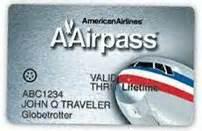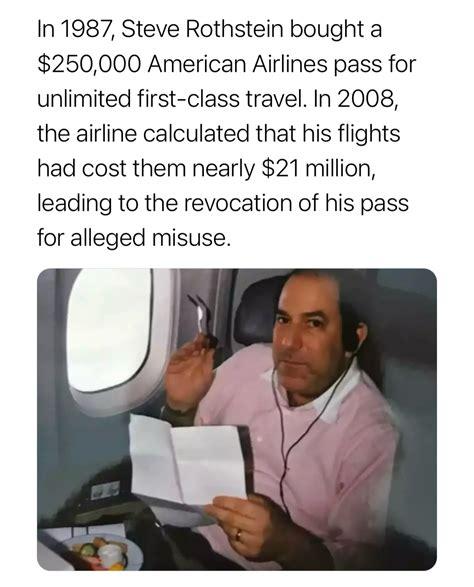
In 1987, an investment banker named Steve Rothstein made what seemed at the time like a genius move: he purchased an AAirpass from American Airlines for $250,000, granting him unlimited first-class travel for life. This exclusive membership, designed to reward elite customers, would eventually become one of the most infamous financial miscalculations in airline history. Over the next two decades, Rothstein embarked on over 10,000 flights, costing the airline an estimated $21 million. What followed was a corporate saga filled with legal battles, alleged misuse, and the eventual termination of the pass in 2008.
The Birth of the AAirpass Program
The AAirpass program was introduced by American Airlines in the 1980s, during a period of financial instability for the company. Designed as a short-term cash injection strategy, the pass offered lifetime unlimited travel, primarily aimed at corporations wishing to reward executives. Pricing began at $250,000 for unlimited first-class flights, with an optional companion pass available for an additional fee.
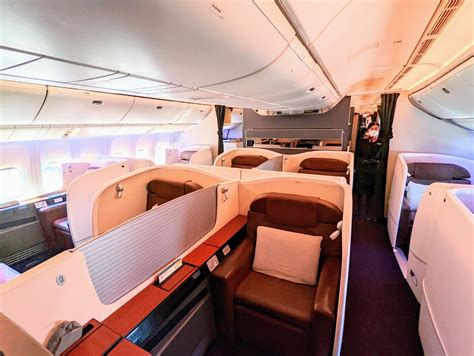
At the time, executives believed that only a select few would purchase such an extravagant product, and the likelihood of passengers using it to its full potential seemed remote. Yet, Steve Rothstein, viewing air travel as a personal passion rather than just business necessity, recognized the potential value early on.
Steve Rothstein: The Man Behind the Flights
Rothstein was no ordinary traveler. Utilizing the AAirpass with unparalleled frequency, he took flights almost daily, sometimes multiple flights per day. Over 21 years, this amounted to an average of 1.3 flights per day. His lifestyle was not fueled by business needs but by personal desires: spontaneous dinners in London, quick trips to catch a Broadway show, or even a simple craving for sushi in Tokyo. His first-class adventures became legendary.
More controversially, Rothstein’s purchase included a companion pass, which he allegedly exploited in various ways:
- He offered strangers travel via his companion pass for less than typical ticket prices.
- He booked the companion seat under fake names to ensure privacy or for extra storage.
- He booked flights he never intended to take, contributing to lost revenue due to no-shows and last-minute cancellations.
This behavior, while technically within the bounds of his purchase agreement, would eventually lead to accusations of misuse.
The Hidden Costs: American Airlines’ Financial Dilemma
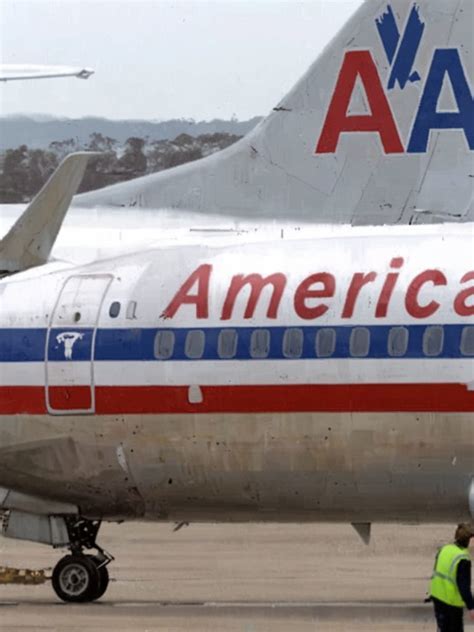
Initially, American Airlines celebrated the infusion of capital from AAirpass sales. However, they failed to anticipate the heavy usage from individuals like Rothstein. Every seat he occupied represented a lost sales opportunity, especially when first-class cabins were fully booked.
The airline’s internal audit revealed that between 2005 and 2008, Rothstein booked over 3,000 flight segments for himself, with an astonishing 84% resulting in cancellations or no-shows. Simultaneously, he booked nearly 2,700 segments for companions, of which 85% were unused. This pattern wreaked havoc on the airline’s seat inventory management systems, as booked but empty seats became frequent occurrences.
In total, it’s estimated that Rothstein’s flights, if valued at full ticket price, cost American Airlines approximately $21 million.
Legal Battles and Program Termination
By 2008, American Airlines decided to confront the issue directly. They accused Rothstein of fraud, citing his practice of booking and not flying, along with the alleged resale of companion tickets. His AAirpass was revoked, sparking a legal battle. Rothstein sued the airline for breach of contract, asserting he had merely used the product as sold. American Airlines countersued, citing fraud and breach of contract.
During the court proceedings, more details emerged. The airline’s senior analysts argued that Rothstein’s strategy disrupted operations and represented deliberate exploitation. However, the case never reached a final judgment, as both sides eventually settled out of court.
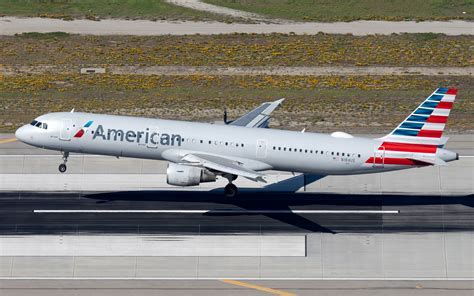
Interestingly, the controversy surrounding Rothstein was not isolated. A few other AAirpass holders, including one who allegedly sold access to his companion pass, were similarly targeted by American Airlines for termination. However, Rothstein’s case remained the most high-profile.
The Collapse of the AAirpass Program
Rothstein’s story highlighted the fundamental flaws in the AAirpass business model. Originally envisioned as a cash-boosting scheme, it became a liability as frequent flyers exploited unlimited access. Recognizing the mounting losses, American Airlines not only revoked select passes but permanently discontinued the unlimited AAirpass program.
Only 66 unlimited passes were ever sold, and Rothstein was among the two most infamous cases leading to the eventual shutdown. The rest of the passes were either revoked or continue under stringent restrictions, with the airline closely monitoring usage patterns to avoid similar financial pitfalls.
Legacy and Public Perception
Today, Steve Rothstein’s story serves as both a cautionary tale and a symbol of savvy consumer behavior. While some view him as a shrewd individual who took full advantage of a poorly structured offer, others see him as exploiting corporate goodwill.
Rothstein’s actions are often likened to the logic of, “If I can legally do it, it’s fair game.” This philosophy, while technically sound, raises ethical questions about corporate-customer agreements, especially when corporations underestimate the risk.
Moreover, Rothstein’s story parallels modern loyalty program controversies, where companies alter terms or devalue points once heavy usage threatens profitability. Airlines, gyms, and even streaming services have since adopted dynamic models to prevent such customer ‘overuse’.
Did American Airlines Overreact?
Critics argue that American Airlines’ portrayal of Rothstein as a villain ignores corporate responsibility. After all, he purchased a pass promising unlimited first-class flights. Should a customer be blamed for utilizing a service as advertised? From Rothstein’s perspective, he honored the agreement. From the airline’s standpoint, his behavior represented a loophole exploitation leading to significant financial harm.
Ultimately, the out-of-court settlement between the two parties left the debate unresolved in the public eye. American Airlines avoided further legal scrutiny, while Rothstein disappeared from headlines, no longer able to indulge his airborne adventures.
Conclusion: The End of Unlimited Flying
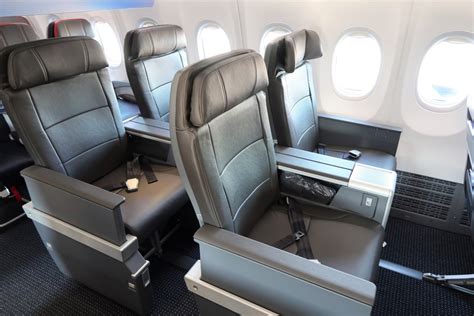
The saga of Steve Rothstein and his $250,000 AAirpass is a legendary episode in corporate history. A product designed to guarantee brand loyalty became a multimillion-dollar liability. Rothstein, in turn, became both a folk hero and a corporate adversary. His relentless flying lifestyle underscored the risks of lifetime, unlimited offers in industries dependent on perishable inventory like airline seats.
As airlines refine their loyalty strategies, the Rothstein affair stands as a stark reminder that customer behavior, especially when combined with loopholes, can redefine corporate policies — sometimes at staggering costs.
In today’s world of carefully tiered frequent flyer programs and dynamic pricing models, the age of the unlimited first-class flight pass is nothing more than a fascinating relic of aviation history.