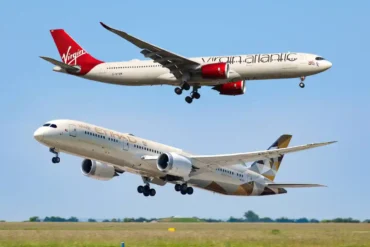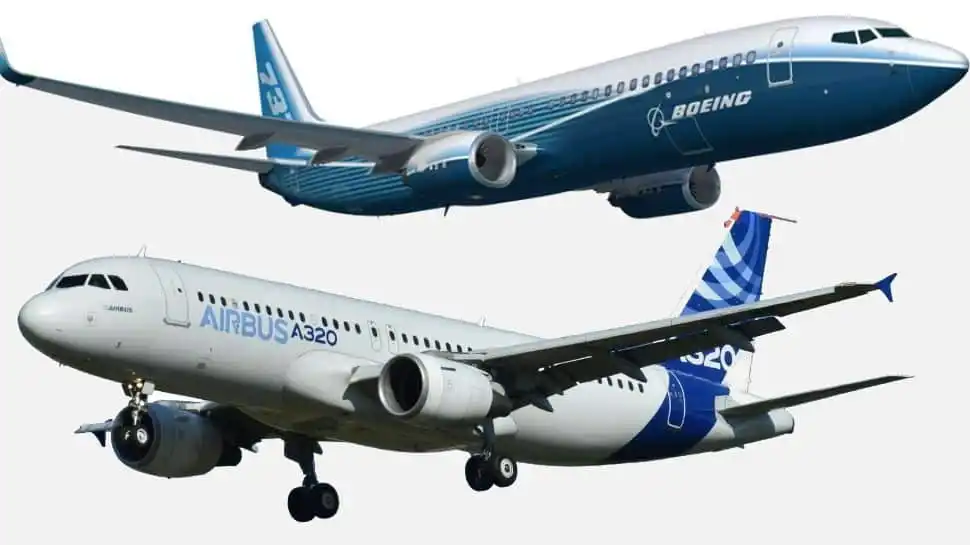
Airbus and Boeing dominate the skies. These two companies are responsible for most of the passenger and cargo aircraft we see flying today. At first glance, many of their planes look alike—sleek, long, and built for the clouds. But if you look closer, there are clear visual clues that can help you tell them apart.
In this guide, we’ll walk through some of the main ways you can identify whether an aircraft is made by Airbus or Boeing just by looking at its windows, engines, and wings.
Flight Deck Windows: Curves vs. Angles
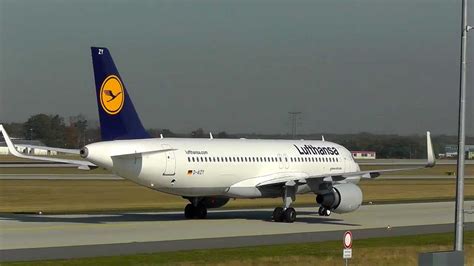
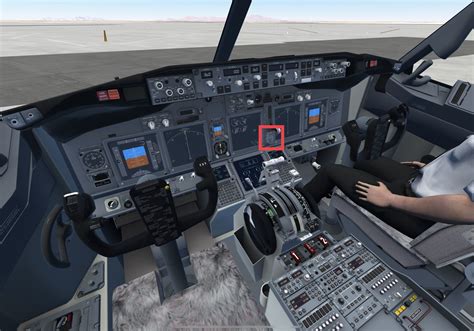
One of the easiest giveaways is the cockpit window design. On most Airbus aircraft, like the A320, A330, and A340, the rear cockpit window has a distinctive corner cut off—it’s like someone sliced the top rear edge diagonally. This gives the Airbus windows a slightly curved, flowing look. There’s one exception though: the Airbus A220 doesn’t follow this design.
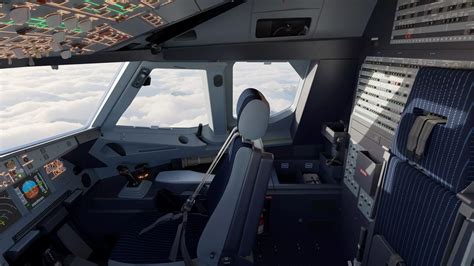
Boeing, on the other hand, leans toward more angular designs. On planes like the 737 and 777, the cockpit windows are shaped with straight lines and sharper angles. Some older Boeing jets even have small “eyebrow” windows above the main ones—an old-school feature not seen on newer aircraft.
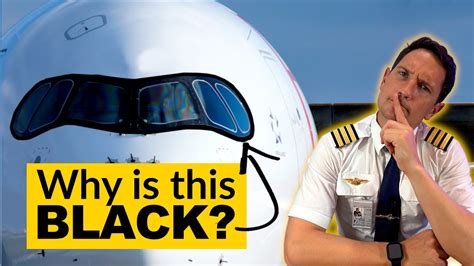
Another signature Airbus feature is the masked cockpit. This is a dark outline around the flight deck windows, mostly found on the A350, A330neo, and A320neo family. It isn’t just for style—it helps control the window area’s temperature. Some airlines, like Air Canada and HiFly, now add this black outline to all their planes, no matter who made them.
Engine Shapes: Smooth or Ridged?
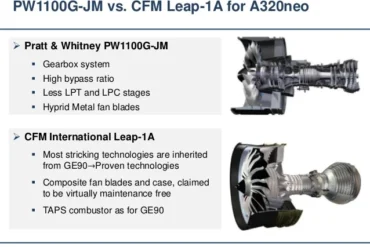
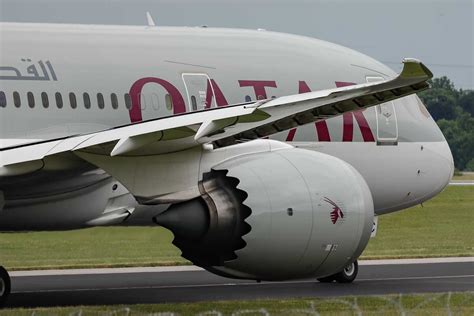
Engines are another spot to focus on. Airbus aircraft generally use round nacelles—the outer casing that holds the engine. Boeing aircraft, however, often feature noticeable design elements like chevrons and flat-bottom nacelles.
Take the Boeing 737 Next Generation (NG) series. Because its engines are slightly bigger, the bottom of the nacelle is flattened so it can fit under the wing without scraping the runway. It’s a small but useful detail when spotting a 737 NG.
Then there’s the chevron. This is a saw-toothed edge at the back of some Boeing engines, such as those on the 787 Dreamliner, 747-8, 777X, and 737 MAX. Chevrons help reduce noise by smoothing the airflow where hot engine air meets cooler outside air.
Wings and Wing Tips: Look Up and Out
Wings are more than just big surfaces—they’re also full of clues. Boeing aircraft usually have wings that slope up from the fuselage. They arch gently, especially near the tips. Airbus wings tend to be flatter by comparison, though they also vary by model.
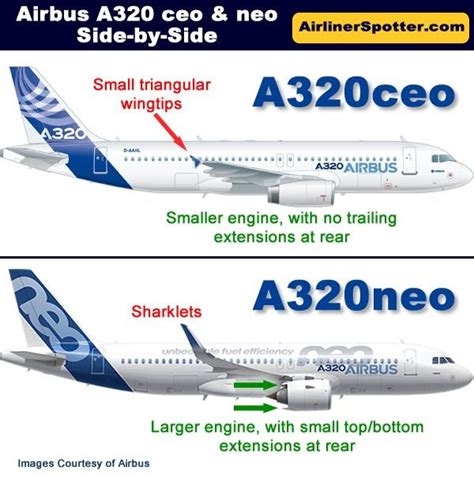
The wing tips—known as winglets or fences—are particularly helpful. Older Airbus narrow-body planes, like the A320ceo, often have triangular wing fences that rise vertically from the top and bottom of the wing. These are easy to spot. Newer models like the A320neo have Sharklets, which are sleeker, single upward-facing devices that help cut fuel use by reducing air resistance.
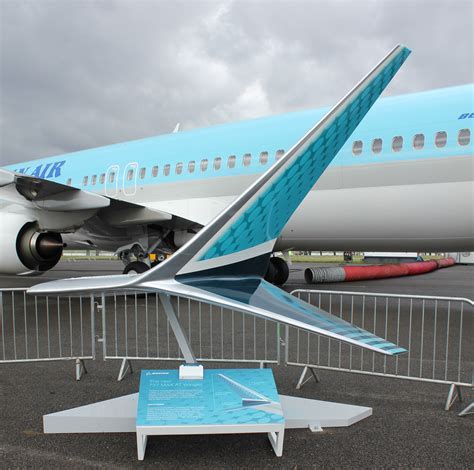
Boeing aircraft, especially the 737 NG and MAX, often feature split scimitar winglets. These look like a Sharklet but also include a smaller piece below the wing. They improve fuel efficiency by reducing drag even further. The 737 MAX takes it up a notch with its Advanced Technology winglets, which are even more curved and aerodynamic.
Final Thoughts: Practice Makes Perfect
Learning to tell an Airbus from a Boeing just by sight isn’t something you master overnight. But with practice, the details start to pop. Window shapes, engine design, wing structure—each has its own fingerprint. The more you observe, the easier it becomes to spot the differences even at a glance.