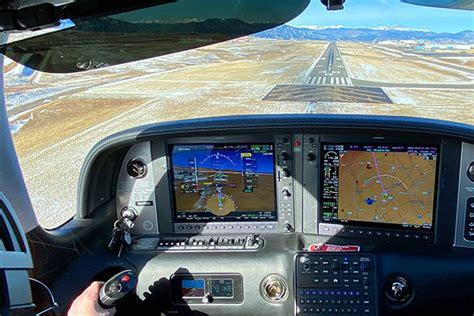
Flying a stop-and-go landing is one of the most versatile and essential skills a pilot can master, especially when practicing short-field operations or fulfilling night currency requirements. Unlike a touch-and-go, which involves a brief contact with the runway before immediately taking off again, a stop-and-go requires a complete stop followed by a full takeoff roll—all conducted on the same runway without exiting. While seemingly simple, the maneuver demands precise planning, communication, and runway management to execute safely and effectively.
Understanding the Absence of FAA Guidance
The Federal Aviation Administration (FAA) provides minimal direction on stop-and-go landings. In fact, neither the Airplane Flying Handbook nor the Pilot’s Handbook of Aeronautical Knowledge details this procedure. The only formal recognition comes from the Aeronautical Information Manual (AIM), which defines the maneuver as a process in which “an aircraft will land, make a complete stop on the runway, and then commence a takeoff from that point.”
The FAA does, however, offer a crucial advisory: “Do this only with adequate runway length and after coordination with Air Traffic Control or other aircraft at non-towered airports.” This succinct caution underscores the seriousness of mastering the maneuver in a variety of operational contexts.
Executing the Stop-And-Go Landing: A Structured Breakdown
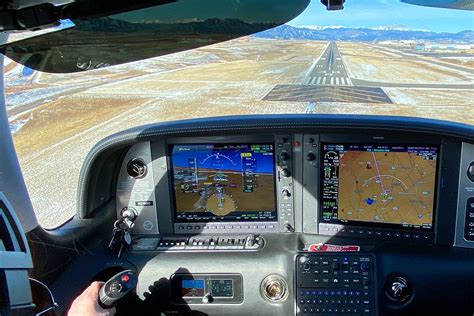
To fly a stop-and-go landing, a pilot must execute the following core actions:
- Normal Approach: Begin with a standard approach procedure. Monitor airspeed, glide path, and runway alignment.
- Full Stop on Runway: Upon touchdown, apply appropriate braking to bring the aircraft to a complete stop without veering from the centerline.
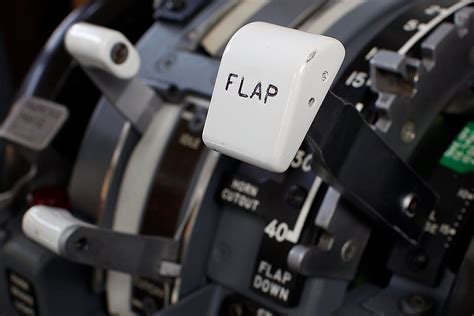
- Reconfiguration: Re-set flaps, trim, mixture, and verify all systems are configured for takeoff.
- Initiate Takeoff Roll: Smoothly apply throttle and begin the takeoff roll from the same position.
The crucial consideration in all these steps is runway length. It must be sufficient not only for the landing but also for the subsequent takeoff—factoring in aircraft weight, density altitude, wind, and surface conditions.
Runway Considerations and Performance Calculations
A stop-and-go landing places a unique demand on runway usage. The aircraft must decelerate, stop, and then accelerate again—all within a confined distance. Therefore, performance planning is non-negotiable.
Before attempting the maneuver, consult the aircraft’s Pilot Operating Handbook (POH) and calculate:
- Landing distance required
- Takeoff distance required (from a standing start)
- Runway length available
- Density altitude and runway slope
- Headwind or tailwind component
A failure to accurately assess these variables can lead to a runway overrun—potentially turning the stop-and-go into a soft-field excursion.
The Critical Role of Communication
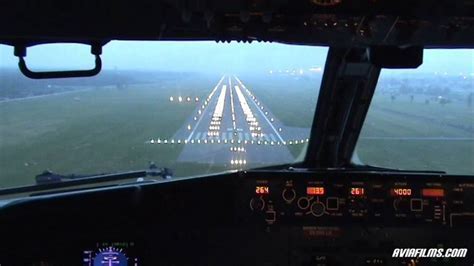
Nowhere is aviation communication discipline more vital than during non-towered airport operations. When flying a stop-and-go landing, announce your intentions early and clearly. This allows other aircraft in the pattern to adjust their spacing and sequence appropriately.
A suggested traffic advisory format would be:
“Cessna 12345, turning final, stop-and-go, Runway 26, XYZ Traffic.”
Such clarity helps prevent mid-pattern surprises, especially during high-volume training periods. Without it, other pilots may misjudge your timing, leading to go-arounds or even near misses.
Balancing Expediency and Safety on the Runway
Once you’ve come to a stop, the urge to rush into takeoff configuration can be significant—especially with inbound traffic visible on downwind or base. Yet it’s essential to strike a balance. You must act promptly, but not hastily.
Take just enough time to:
- Verify flap settings
- Re-check engine instruments
- Re-set trim and transponder
- Ensure controls are free and correct
If at any point you experience uncertainty or mechanical hesitation, abort the stop-and-go and request a taxi-back for a full-length takeoff. Never let the tempo of the pattern dictate a rushed or unsafe takeoff.
Ideal Conditions for Practice and Proficiency
The stop-and-go is particularly valuable in two common flight scenarios:
1. Short Field Practice: Since it involves a full stop followed by a takeoff, it replicates the operational profile of many short field procedures. Pilots can practice maximum braking, deceleration techniques, and accurate control handling during the stop phase, which are essential for precision landings on short or obstructed runways.
2. Night Currency Requirements: According to FAA regulations, to maintain night landing currency, pilots must execute full-stop landings. A stop-and-go is one of the most time-efficient methods to accumulate the required three takeoffs and landings within 90 days.

When It Goes Wrong: Case Study from NASA’s ASRS
A NASA Aviation Safety Reporting System (ASRS) report offers a cautionary tale about stop-and-go miscommunication.
A student pilot was executing solo landings in a non-towered pattern. A second aircraft announced “landing the option” but did not clarify a stop-and-go intention. The student extended his downwind leg to accommodate. However, the first aircraft remained on the runway longer than expected. As the student turned final, he announced a go-around just as the other aircraft initiated its takeoff roll.
The result was a dangerous convergence of two aircraft in the same airspace, one climbing slowly below the other. Only sheer luck and proper vertical separation averted a mid-air collision.
This reinforces two critical habits:
- Always declare the specific type of landing you are attempting.
- If you observe another aircraft executing a go-around, delay your takeoff until their trajectory is known.
Techniques for Safer Execution
To enhance safety during stop-and-go operations, consider adopting these techniques:
- Offset Climb Technique: When performing a go-around over a stationary aircraft, sidestep slightly to the right of the runway centerline. This minimizes the risk of conflict with any aircraft taking off directly below.
- Mirror Use and Situational Awareness: Check behind you with mirrors or quick glances before initiating your takeoff roll. Listen for radio calls that could indicate traffic nearby.
- Staged Departure Timing: Avoid initiating your takeoff roll until it is absolutely clear no inbound aircraft are short final.
Building Competency Through Repetition
While not often emphasized during primary training, stop-and-go landings are an excellent benchmark for multi-phase aircraft control. Mastering them requires:
- Understanding ground roll dynamics
- Efficient cockpit management under time constraints
- Flawless communications
We recommend incorporating stop-and-go landings into your bi-monthly proficiency flights, especially when flying from airports with long runways and low traffic density. Doing so builds habits that translate into better emergency handling and more refined short-field operations.
Conclusion: Precision, Planning, and Practice
Flying a stop-and-go landing is more than a procedural drill—it is an exercise in discipline, awareness, and aircraft performance management. The maneuver tests a pilot’s ability to balance timely execution with deliberate preparation, all while maintaining communication clarity and spatial awareness.
Executed properly, a stop-and-go landing sharpens key proficiencies, makes you a safer pilot, and broadens your versatility—whether you’re fulfilling currency requirements, conducting test flights, or practicing emergency scenarios.
We encourage all pilots to integrate stop-and-go landings into their regular proficiency training. With proper planning, clear communication, and methodical control input, it becomes one of the most effective ways to consolidate both landing and takeoff skills into a single, high-value flight exercise.