Flying a touch-and-go landing is one of the most essential maneuvers student pilots must master, yet paradoxically, it remains a subject without formal guidance from the FAA in its foundational manuals. While defined briefly in the Aeronautical Information Manual (AIM) as an operation where the aircraft lands and immediately departs without stopping, the touch-and-go procedure encompasses a nuanced blend of precision, timing, and cockpit discipline that goes far beyond that simple definition. This article provides a comprehensive walkthrough of how to execute a safe and effective touch-and-go landing, covering everything from approach to liftoff.
Understanding the Purpose and Prevalence of Touch-and-Go Landings
Touch-and-go landings are used extensively in flight training to allow pilots to practice multiple landings and takeoffs in quick succession. This repetition is critical for muscle memory, mental flow, and situational awareness. Despite their frequency in pilot training programs, touch-and-go landings are not suitable for every runway or condition. No formal FAA landing performance data exists for this maneuver, placing responsibility squarely on the pilot to ensure runway length, surface, and weather are appropriate.
Unlike full-stop or stop-and-go landings, touch-and-go operations require the pilot to be constantly transitioning between phases of flight. This unique nature demands a high level of situational management and spatial awareness. It’s not merely a shortcut for training efficiency—it’s a crucible of airmanship.
Flying the Approach: The Foundation of a Successful Touch-and-Go
The initial approach to a touch-and-go landing mirrors that of a standard landing pattern. Whether flying a normal or power-off 180 approach, the key lies in stabilization. A stabilized approach means airspeed, glide path, and configuration are all established well before short final. If any of these elements are out of tolerance, the pilot must consider a go-around instead of salvaging a deteriorating approach.
Critical considerations before beginning a touch-and-go include:
- Runway Condition: Avoid contaminated, short, soft, or tailwind-affected runways.
- Airport Elevation and Density Altitude: High DA airports require longer roll and should include conservative reject criteria.
- Traffic Pattern Activity: Particularly at uncontrolled fields, ensure radio communication is clear and effective.
At towered airports, the pilot must receive explicit clearance for either a touch-and-go or an “option” clearance, which includes the possibility of touch-and-go.
Managing the Touchdown: Precision, Not Perfection
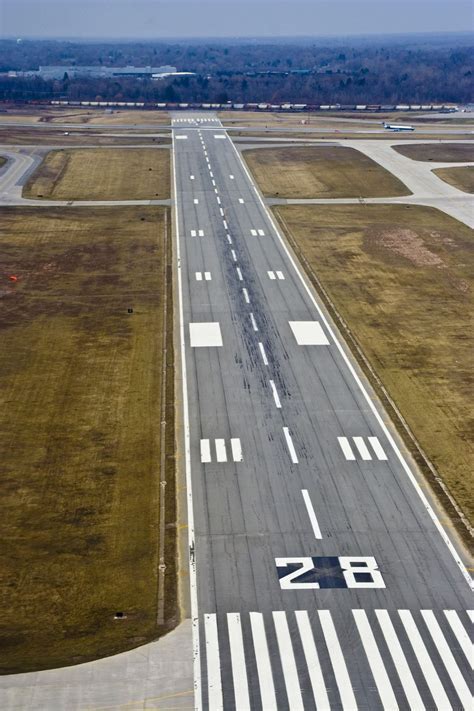
Touchdown itself should be indistinguishable from a normal landing. The objective is to land on the main gear within the first third of the runway, aligned with the centerline, and with as little bounce as possible. Smooth, controlled transitions are the hallmark of a successful maneuver.
As the aircraft settles on the runway and begins decelerating with idle power, reconfiguration begins almost immediately. The importance of focused multitasking at this stage cannot be overstated. This is the transitional moment from landing to takeoff. A lapse in attention—however minor—can result in poor runway tracking or incorrect aircraft configuration.
Reconfiguring the Aircraft: The Touch-and-Go Checklist—Without a Checklist
Unlike most procedures in general aviation, checklists are not consulted during the reconfiguration phase of a touch-and-go. This is by design. Looking inside the cockpit for too long can cause the pilot to lose situational awareness at a critical time. Instead, the reconfiguration is completed from memory, quickly and efficiently:
- Flaps: Retract to the takeoff position. In most trainers like the Cessna 172, this means from 30° or 20° to 10° or 0°, depending on field length.
- Trim: Re-trim for takeoff to reduce elevator input pressure.
- Carburetor Heat: If used during landing, turn off prior to full power application.
- Mixture: Ensure full rich if operating below 3,000 feet.
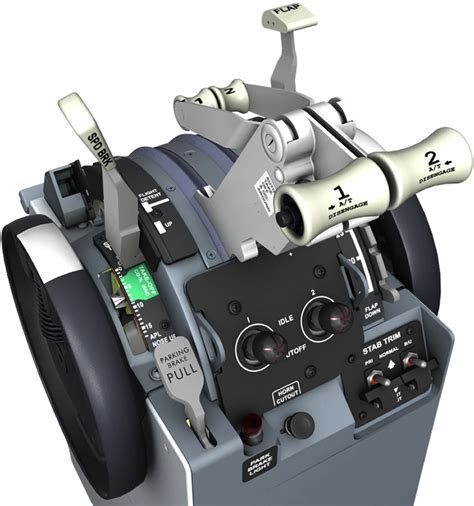
As each action is completed, eyes remain outside, scanning down the runway. The goal is to be completely reconfigured before applying full throttle.
Executing the Takeoff Roll and Liftoff
Once reconfiguration is complete, smoothly apply full power while maintaining centerline alignment with rudder pressure. Due to the aircraft’s existing momentum, the takeoff roll during a touch-and-go is significantly shorter than a standard takeoff. Be ready.
To enhance safety, establish a visual rejected takeoff point—a spot on the runway by which the aircraft must be airborne or the takeoff must be aborted. This could be a taxiway intersection, a lighting fixture, or a runway distance marker. If the aircraft isn’t flying by that point, power is brought to idle and braking applied.
Once liftoff speed is achieved, perform a standard rotation and pitch for Vy (best rate of climb). Climb-out should continue with coordinated rudder and a vigilant watch for traffic.
Critical Mistakes to Avoid in Touch-and-Go Operations
Even experienced pilots can fall into traps during touch-and-goes. The transition speed and high workload can lead to dangerous oversights. Here are common errors that must be avoided:
1. Using Unsuitable Runways
Avoid runways with insufficient length, poor surfaces, or obstacles. Wet or icy runways make directional control harder. Tailwinds increase landing distance, reduce takeoff performance, and degrade safety margins.
2. Switching Fuel Selectors on the Ground
This should never be done during a touch-and-go. Fuel selectors must only be adjusted when the aircraft is stabilized in level flight—ideally on the downwind leg.
3. Practicing Soft or Short Field Procedures as Touch-and-Goes
These maneuvers require full use of ground roll control and stopping technique, which are lost in a touch-and-go scenario. Practice these using stop-and-go or full-stop taxi back methods instead.
4. Underestimating High Density Altitude (DA)
At high-elevation airports or during hot weather, density altitude can significantly affect performance. Always assume longer takeoff rolls and reduced climb rates. Be firm with your decision point and more conservative than performance charts may suggest.
The Role of Communication and Coordination in the Pattern
In busy training environments or uncontrolled airfields, clear and concise communication becomes even more critical. Aircraft in the pattern must be informed of your intentions to remain predictable and prevent close calls. Standard radio calls at key points—downwind, base, final, and upwind—must always include mention of “touch-and-go.”
At towered airports, the phraseology must match what was cleared. If you received “cleared for the option,” say “touch-and-go” when reporting your intentions so controllers know what to expect on your next pattern entry.

Training Progression: When to Introduce Touch-and-Go Landings
Most certified flight instructors (CFIs) delay introducing touch-and-go landings until students have demonstrated consistent control in both landings and takeoffs separately. The maneuver introduces added complexity and should not be practiced prematurely. Indicators that a student is ready include:
- Stable and safe final approaches
- Proper control usage during landing rollout
- Effective configuration management without checklist reliance
- Good directional control using rudder during ground operations
Once the student has reached this stage, touch-and-goes become a valuable training tool. They allow rapid repetition and pattern work that refines judgment, control input, and scan flow.
Conclusion: A High-Skill, High-Reward Maneuver
While deceptively simple in concept, touch-and-go landings are a high-skill maneuver that demand awareness, coordination, and timing. There’s no room for complacency or improvisation. By mastering each component—approach, touchdown, reconfiguration, and takeoff—pilots not only improve landings but sharpen total command of the aircraft.
Executed properly, a touch-and-go is not just a time-saving training technique—it is a litmus test of piloting precision.
Frequently Asked Questions
Q1: Can I perform a touch-and-go at any airport?
A1: No. Always evaluate the runway length, surface condition, traffic volume, and whether tower clearance or coordination with other aircraft is needed. Avoid touch-and-goes on short, soft, or contaminated runways.
Q2: What if I forget to retract the flaps during a touch-and-go?
A2: Leaving landing flaps extended may drastically increase takeoff roll and reduce climb performance. If safe, abort the takeoff. If airborne, maintain control and climb at a safe airspeed, then retract flaps incrementally.
Q3: Why isn’t the touch-and-go included in the FAA Airplane Flying Handbook?
A3: While not officially explained, it may be due to the maneuver’s hybrid nature. It draws from standard procedures for landing and takeoff but compresses them into a short sequence, making it difficult to standardize.
Q4: Should I practice touch-and-goes solo?
A4: Only after your instructor has endorsed you for solo touch-and-go practice and you are proficient at managing configuration, directional control, and traffic awareness simultaneously.
Q5: What’s the main advantage of mastering touch-and-goes?
A5: Efficiency in training. You can execute multiple repetitions of landings and takeoffs in one session, reinforcing critical skills like pitch control, rudder coordination, and energy management.