Hypersonic missile testing represents one of the most complex and critical components of modern military strategy. These weapons, capable of exceeding speeds greater than Mach 5, are poised to revolutionize defense systems across the globe. With nations like the United States, China, and Russia heavily invested in hypersonic technology, the landscape of missile defense and international security is rapidly shifting. This article delves into the multifaceted world of hypersonic missile testing, exploring the technical challenges, global programs, and the future trajectory of these powerful systems.
Testing Objectives and Methods
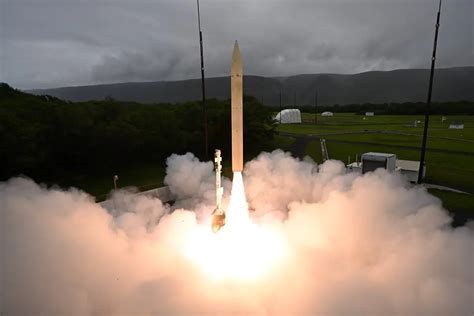
Hypersonic missile testing encompasses a range of evaluations designed to ensure that these advanced systems can perform under extreme conditions. The primary objectives of these tests include validating speed, maneuverability, thermal resilience, and defense penetration capabilities.
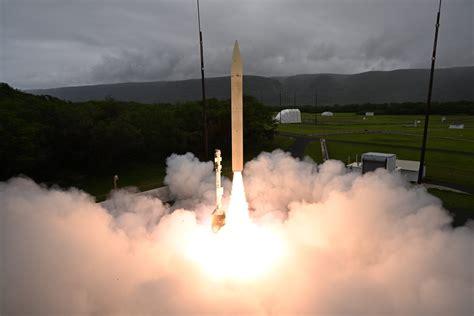
- Speed Validation: One of the most critical aspects of hypersonic missile testing is validating the missile’s ability to maintain speeds exceeding Mach 5 (approximately 6,174 km/h). Testing environments like ground-based wind tunnels and high-altitude flight tests simulate the extreme conditions these missiles will encounter during operation. The United States, for example, successfully tested its AGM-183A ARRW missile at speeds reaching Mach 20 during the terminal glide phase, demonstrating its ability to achieve incredible velocity and precision.
- Maneuverability: Hypersonic missiles, particularly Hypersonic Glide Vehicles (HGVs), distinguish themselves from traditional ballistic missiles by their ability to change trajectories mid-flight. This capability makes them much harder to intercept, as they follow unpredictable paths that evade traditional missile defense systems. The United States has made significant strides in this area, with its Conventional Prompt Strike (CPS) system demonstrating this ability in 2024 using a Common Hypersonic Glide Body (C-HGB), a crucial development for enhancing missile performance and survivability.
- Thermal Resilience: The extreme speeds of hypersonic missiles generate immense friction, creating temperatures that can exceed 2,200°C. Testing thermal resilience involves subjecting missile components to intense heat in specialized facilities like arc heating wind tunnels. For instance, China has conducted extensive tests on its air-to-air hypersonic missile to validate the materials and electronics necessary to withstand these conditions. Such tests ensure that the missile remains operational even in the harshest thermal environments.
- Defense Penetration: Hypersonic missiles must be tested for their ability to bypass sophisticated defense systems. These tests often simulate evasion of radar and interception mechanisms. Russia’s Avangard HGV, for example, uses a fractional orbital bombardment system, a technique that allows the missile to enter the atmosphere at unconventional angles, significantly increasing its chances of penetrating missile defense networks.
Challenges in Testing
Despite the promising capabilities of hypersonic missiles, several significant challenges remain in the development and testing phases. These hurdles primarily involve detection limitations, thermal management, interception complexities, and the high costs associated with testing.
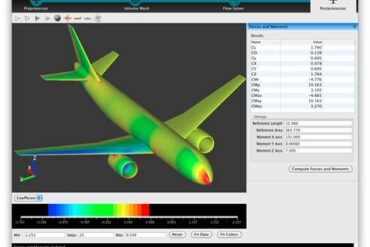
- Detection Limitations: One of the most daunting challenges in hypersonic missile testing is tracking these missiles once they are in flight. Due to their speed and maneuverability, these weapons are difficult to detect with conventional radar systems. Unlike ballistic missiles, which follow a predictable arc, hypersonic missiles can alter their path mid-flight, making them harder to intercept. The United States has turned to modeling and hardware-in-loop simulations to replicate these contested environments and develop tracking systems capable of dealing with these challenges.
- Thermal Management: The extreme heat generated during hypersonic flight places considerable strain on the missile’s materials and guidance systems. Current testing focuses on developing advanced heat-resistant alloys and integrating active cooling mechanisms to ensure that these missiles can maintain operational integrity under extreme thermal stress. Innovations in these areas will be pivotal to the long-term viability of hypersonic technology.
- Interception Complexity: Intercepting hypersonic missiles poses a major challenge for current missile defense systems like THAAD and PAC-3, which rely on the missile following a predictable path. The unpredictable flight patterns of hypersonic missiles, combined with their high speed, drastically reduce the effectiveness of interception systems, requiring the development of new defense measures.
- Cost and Infrastructure: Hypersonic missile testing requires highly specialized facilities and equipment, such as the Aerothermal Research Center at Northrop Grumman. The costs associated with these programs are staggering, with the United States’ CPS program alone costing over $1.73 billion. The financial and resource demands of hypersonic missile development are significant, and addressing these concerns will be essential to ensuring the continued progress of these programs.
Global Testing Programs
Around the world, several countries are leading the way in hypersonic missile testing, with varying levels of technological maturity and success.
- United States: The U.S. has invested heavily in hypersonic missile development, with several key programs underway.
- CPS (Conventional Prompt Strike): A joint Navy-Army program that tested in 2024, achieving end-to-end flight validation from submarines and mobile launchers. The success of this program marks a significant milestone in demonstrating the feasibility of launching hypersonic missiles from a variety of platforms.
- ARRW (AGM-183A): An air-launched HGV that completed four flight tests in 2024. Despite some setbacks, such as budget cuts that halted further development, the program represents a significant leap forward in the development of hypersonic technology.
- HACM (Hypersonic Air-breathing Cruise Missile): A program focused on scramjet-powered hypersonic cruise missiles, with a budget allocation of $517 million in 2025 for continued prototyping and development.
- China: China has made significant strides in hypersonic missile technology, with key programs like the DF-17 and air-to-air hypersonic missiles.
- DF-17: A boost-glide HGV with a reported range of 1,500–2,500 km, the DF-17 was successfully tested in 2021 using a fractional orbital bombardment technique.
- Air-to-Air Hypersonic Missile: Currently under final thermal testing in 2025, this missile is designed to target advanced stealth aircraft, such as the U.S. B-21 bomber.
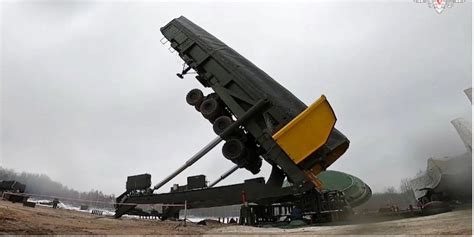
- Russia: Russia has developed several hypersonic systems that are already operational, including the Kinzhal and Avangard.
- Kinzhal: An air-launched missile that achieved speeds of Mach 10, first used in combat during the 2022 invasion of Ukraine. This missile marks the first real-world use of hypersonic weapons in conflict.
- Avangard: An ICBM-launched HGV that has been tested at speeds exceeding Mach 20. This system represents one of the most advanced hypersonic missile programs globally.
- India: India has also entered the race for hypersonic missile development, successfully testing a missile with a range of 1,500 km in 2025. However, India’s reliance on rocket boosters instead of scramjets limits its missile’s maneuverability and overall performance.
Other nations, including France (V-MaX), Iran (Fattah), and North Korea, are also actively pursuing hypersonic technology, though their programs exhibit varying degrees of technical maturity.
Future Directions
The future of hypersonic missile technology is marked by several key advancements and trends that will shape the next generation of these powerful systems.
- Boost-Glide vs. Scramjets: Currently, boost-glide systems dominate hypersonic missile programs. These systems use a combination of high-speed rocket propulsion and glide vehicles to achieve their extreme speeds. However, scramjet-powered missiles, like the HACM, hold significant promise due to their ability to sustain flight at hypersonic speeds for longer durations and carry smaller payloads. The development of scramjets will likely dominate future programs, offering greater efficiency and flexibility in missile design.
- Defense Countermeasures: As hypersonic missiles become increasingly operational, the development of countermeasures will become crucial. The United States is exploring the use of space-based sensors and directed-energy weapons to intercept hypersonic missiles during their boost phase, though the feasibility of these technologies remains uncertain.
- Multinational Collaboration: The growing cost and complexity of hypersonic missile development have led to increased multinational collaboration. Programs like the U.S.-Australia SCIFiRE initiative are pooling resources to accelerate the development of scramjet technology, reducing costs and increasing the speed of innovation.
Conclusion
Hypersonic missile testing remains a pivotal element of modern defense strategy. As nations around the world push the boundaries of speed, maneuverability, and resilience, the future of warfare is set to change dramatically. The continued advancements in hypersonic technology, while facing challenges in cost, detection, and interception, will likely lead to more sophisticated, precise, and elusive weapons. With the U.S., China, and Russia at the forefront of this technological race, the global security landscape is entering a new era of defense capabilities. Hypersonic missiles are no longer a distant possibility but a present-day reality that will shape the future of military operations across the globe.