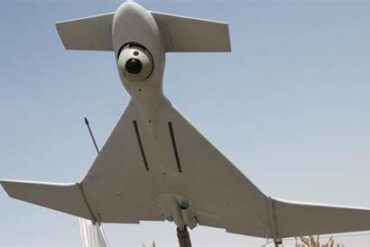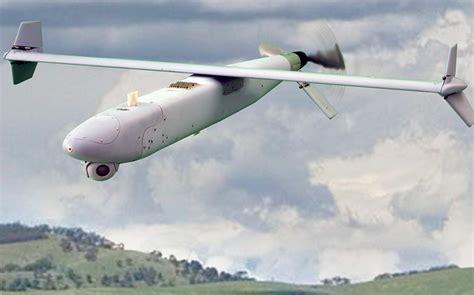
The IAI Harop, developed by Israel Aerospace Industries (IAI), represents a significant leap in the development of loitering munitions (LM). Combining the characteristics of a missile and an Unmanned Aerial Vehicle (UAV), the Harop is designed to loiter above the battlefield, waiting for the precise moment to strike. This innovative system provides unparalleled flexibility, intelligence gathering, and lethal precision that can decisively alter the course of military operations in a variety of combat scenarios.
Overview: What Sets the Harop Apart?
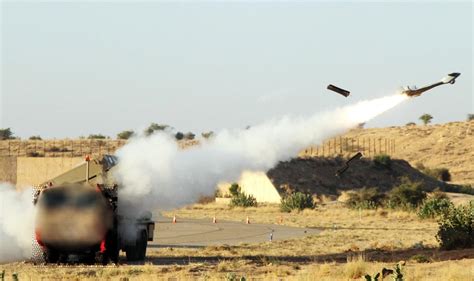
The IAI Harop is not just another missile or UAV. It is a highly versatile loitering munition that serves as a combination of both. Launched from a canister, the Harop is capable of reaching a holding area where it can remain for hours, conducting Intelligence, Surveillance, and Reconnaissance (ISR) missions to gather crucial data. Once a target is identified, the Harop transitions seamlessly into the attack phase, where it self-destructs upon contact with the target, ensuring the destruction of high-value targets with incredible precision.
The system is operated via a man-in-the-loop control mode, meaning that a remote mission operator can select and engage targets, either static or moving, using the aircraft’s advanced electro-optical (EO) sensors. This combination of surveillance capabilities and target engagement flexibility makes the Harop a potent asset in modern warfare.
Exceptional Performance Characteristics
The Harop’s design and capabilities make it an essential tool in various military scenarios. With an endurance of over six hours and a range of up to 200 kilometers, the Harop is capable of covering vast areas of the battlefield. These impressive specs are further enhanced by the aircraft’s speed of up to 417 km/h (259 mph), making it one of the most effective loitering munitions in use today.
Some of the key specifications of the IAI Harop include:
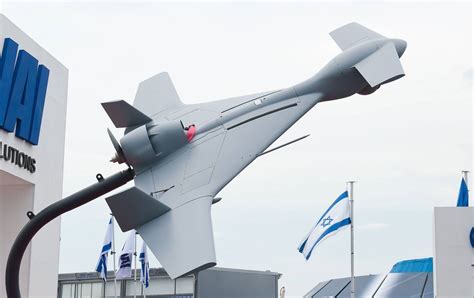
- Wingspan: 3.00 meters (9 ft 10 in)
- Length: 2.5 meters (8 ft 2 in)
- Maximum Speed: 417 km/h (259 mph)
- Endurance: 6+ hours
- Service Ceiling: 4,600 meters (15,000 ft)
- Warhead Weight: 16 kg (35 lb)
The Harop’s capabilities extend beyond just range and speed. It is equipped with a highly effective electro-optical sensor, which allows it to identify both static and moving targets. This ability is essential in the ever-changing dynamics of modern battlefields, where targets often move unpredictably.
Development and Evolution of the Harop
The IAI Harop is a direct descendant of the IAI Harpy, a loitering munition that first gained international recognition in the 1980s. The Harpy revolutionized the concept of anti-radiation missiles by allowing military forces to target enemy radar systems with precision-guided attacks. The Harop builds upon this legacy by integrating advanced sensors and improved targeting capabilities, making it more versatile in terms of both reconnaissance and kinetic strike missions.
First unveiled to the public at the Aero India 2009 show, the Harop quickly garnered attention for its advanced capabilities and potential applications in modern warfare. Since then, it has been deployed by various countries and has proven itself in combat situations, particularly in the Nagorno-Karabakh conflict in 2020.
Operational Success and Global Adoption
The Harop has achieved widespread operational success and is now a key asset in the arsenals of several countries, including Israel, India, and Azerbaijan. The Harop’s combat effectiveness was particularly demonstrated during the Nagorno-Karabakh conflict in 2020, where it was used to strike high-value targets in extremely challenging conditions. These included GPS-jammed areas and environments with freezing temperatures, further proving the reliability and versatility of the system.
In addition to its performance in Azerbaijan, the Harop has also been credited with taking out several significant targets in Syria, including a Syrian Air Defence SA-22 Greyhound in May 2018. These successes have further solidified the Harop’s reputation as a highly effective loitering munition that can operate in contested environments and deliver critical blows to enemy forces.
Countries like India have made substantial investments in the Harop, with the Indian Air Force purchasing multiple systems for use against time-sensitive or high-priority targets. The effectiveness of the Harop in operations against air defence systems and other key infrastructure has made it an indispensable tool in modern air and ground combat.
The Future of Loitering Munitions: Mini Harop
Building on the success of the IAI Harop, Israel Aerospace Industries has developed a smaller, more tactical version known as the Mini Harop. This variant is designed for tactical operations and shorter ranges, with an endurance of up to one hour. The Mini Harop can be deployed from tactical military vehicles, such as the Joint Light Tactical Vehicle (JLTV), and is typically used for engaging time-critical targets or targets that appear and disappear quickly.
This miniaturized version provides even more flexibility in the battlefield, allowing military forces to respond rapidly to emerging threats while maintaining the precision and lethality of the larger Harop system. With a growing emphasis on rapid deployment and precision in modern conflicts, the Mini Harop represents a vital tool in tactical operations.
Combat History: Proven Effectiveness
One of the standout moments in the Harop’s combat history occurred during the Nagorno-Karabakh conflict between Azerbaijan and Armenia in 2020. During this intense confrontation, the Harop was used to strike a wide range of military targets, including air defense systems, command centers, and radar installations. The success of the Harop in this conflict was a key factor in showcasing the potential of loitering munitions in modern warfare.
In addition to Nagorno-Karabakh, the Harop has seen success in other conflicts, including Syria, where it was used to destroy key air defense systems. The Israeli Defense Forces (IDF) have continued to rely on the Harop for various missions, cementing its place as a highly effective weapon in the modern battlefield.
Conclusion: A Game-Changer in Modern Warfare
The IAI Harop is more than just an advanced weapon system; it is a game-changer in modern warfare. Combining the capabilities of both missiles and UAVs, it offers unparalleled precision, endurance, and flexibility in loitering munitions. Its ability to provide real-time intelligence and strike with lethal precision makes it an indispensable asset for modern military forces.
With its proven combat history, successful deployments, and continuous development, the Harop is expected to remain a crucial part of military arsenals for years to come. As Israel Aerospace Industries continues to innovate in the field of loitering munitions, the IAI Harop will undoubtedly evolve to meet the changing demands of warfare and continue to set the standard for future generations of munitions.