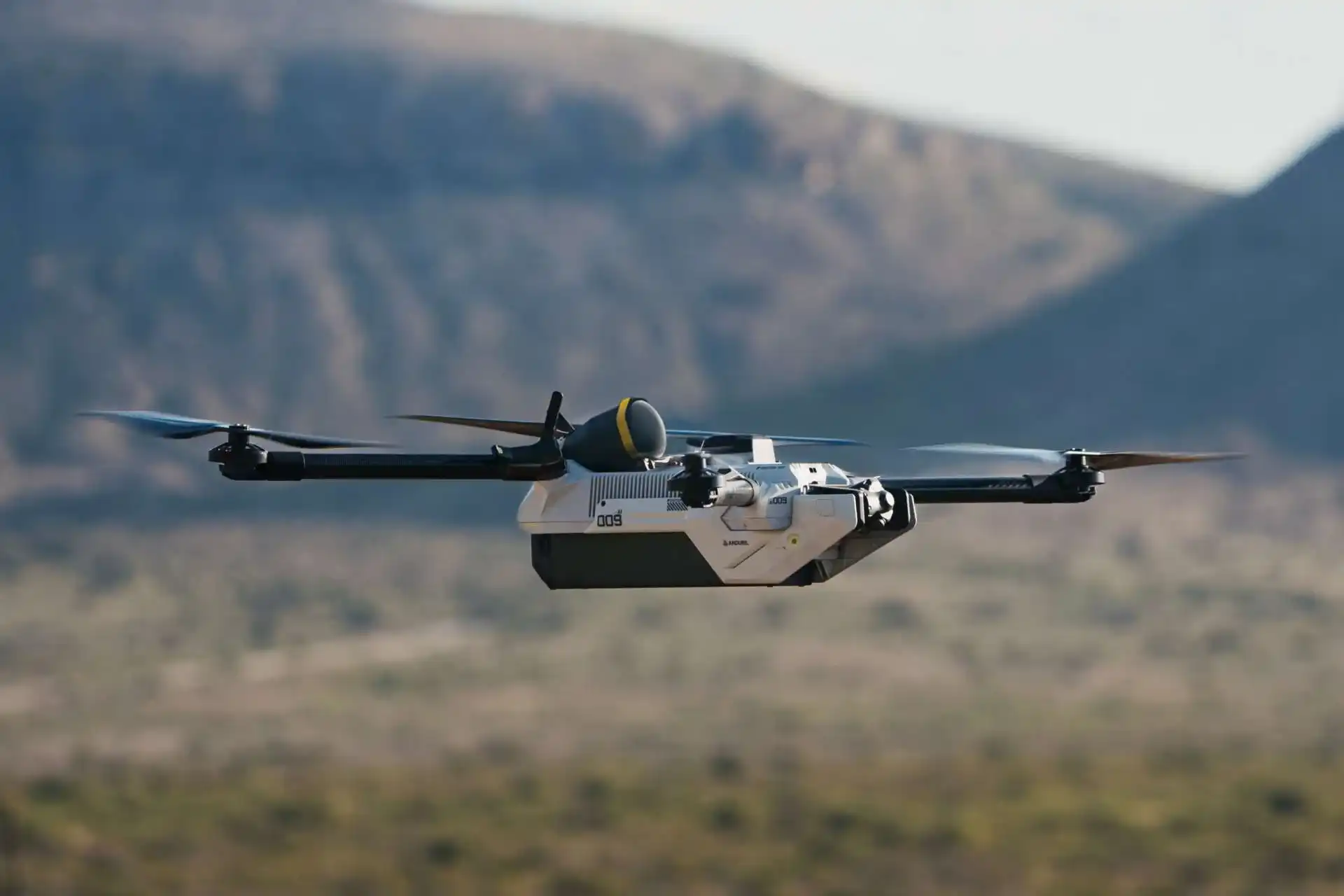
In a significant leap for modern warfare capabilities, Anduril Industries has secured a $23.9 million contract with the U.S. Marine Corps. This contract, announced on January 15, 2026, marks a key step forward in the Marine Corps’ push to equip its infantry units with cutting-edge, precision strike technology. The contract, which focuses on the Organic Precision Fires-Light (OPF-L) program, will see the delivery of over 600 Bolt-M loitering munition systems, starting in February 2026. These man-portable systems are set to be deployed directly into the hands of dismounted Marine infantry squads, providing them with the ability to strike beyond line of sight with precision and speed.
The OPF-L program is part of the Marine Corps’ broader strategy to enhance the operational capabilities of small infantry units by providing them with organic, precision fires. The Bolt-M loitering munition, designed to meet the OPF-L’s stringent requirements, offers more than just range and accuracy. It is compact, lightweight, and portable, allowing infantry squads to carry multiple units and a ground control station without unbalancing a patrol. This capability represents a major shift in how the Marine Corps plans to execute operations, enabling more agile and effective responses on the battlefield.
Evolution of the Bolt-M Loitering Munition
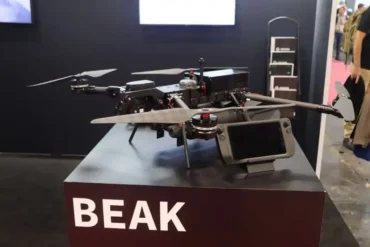
The Bolt-M loitering munition is a testament to Anduril’s technological innovation. Launched in October 2024, the Bolt-M is a vertical take-off and landing (VTOL) quadcopter, which eliminates the need for launch rails or catapults. This means that the system can be deployed in a variety of environments, from dense urban areas to restricted terrains, within minutes of preparation. With a range of over 20 kilometers and an endurance of approximately 40 minutes, the Bolt-M can loiter over targets, providing reconnaissance and strike capabilities without exposing the operators to undue risk. It combines modern software-centric architecture with high-end modular unmanned systems to deliver a highly effective solution for infantry squads.
The integration of Anduril’s Lattice software environment with the Bolt-M system enhances its operational efficiency. Lattice is a data fusion platform that pulls together data from multiple sensors and platforms, helping operators make informed decisions about mission planning, target acquisition, and engagement. The user interface of the system is designed to resemble a modern handheld device, allowing operators to control the mission with a high degree of automation in navigation and attack profiles while keeping the human decision-maker in the loop. This approach reduces the operational complexity typically associated with unmanned systems, making it accessible to non-specialist operators in the field.
The OPF-L Program: Shaping the Future of Marine Combat
The Organic Precision Fires-Light program is an ambitious initiative aimed at providing infantry units with precision strike capabilities that can be deployed swiftly in the field. Traditionally, infantry squads have relied on artillery, naval gunfire, or close air support for long-range engagements. However, the OPF-L program aims to eliminate this dependency by giving infantry units direct access to precision firepower. This shift in strategy aligns with the Marine Corps’ broader focus on creating more dispersed, survivable, and lethal formations capable of operating in littoral and archipelagic environments with minimal infrastructure.
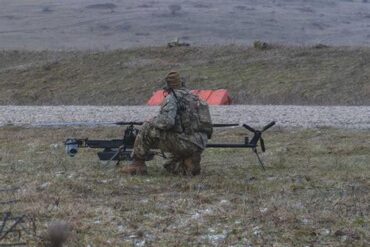
The man-packable nature of the Bolt-M loitering munition is central to its effectiveness in these operations. Weighing only between 13 to 15 pounds, the system can be easily carried by infantry units without significantly impacting their mobility. The ability to deploy and operate the Bolt-M with minimal setup time allows squads to maintain their operational tempo, even in contested environments where air superiority or artillery support may be limited.
Furthermore, the flexibility of the Bolt-M allows it to perform a wide range of missions. It can be used for reconnaissance, target identification, route clearance, and suppression of enemy fire. Its 20+ kilometer range and 40-minute loiter time provide squad leaders with the ability to gather intelligence, strike high-value targets, or provide overwatch in real-time. This ability to perform a variety of roles without relying on higher-echelon assets gives Marine units a significant tactical advantage.
The Importance of Bolt-M in Modern Combat
As modern warfare evolves, the need for precision strike capabilities at the squad level has become more apparent. The Bolt-M system is a response to this demand, providing dismounted infantry with a versatile and reliable tool for executing missions. Its integration into the Marine Corps’ arsenal reflects a broader trend of shifting combat power to smaller, more agile units capable of operating independently and with greater speed.
One of the key benefits of the Bolt-M loitering munition is its potential to change the way infantry units plan and execute operations. In traditional combat scenarios, infantry squads would rely on larger platforms, such as artillery or air support, to engage targets at a distance. With the Bolt-M, infantry units can take matters into their own hands, striking targets at distances beyond their traditional weaponry. This autonomy not only reduces their dependence on other assets but also enhances the speed and effectiveness of their actions.
In addition, the portability and rapid deployment capabilities of the Bolt-M make it ideal for use in highly contested environments, where resources may be limited, and response time is critical. In regions like the Indo-Pacific, where forces must operate from austere and dispersed bases, the ability to generate precise effects quickly and with minimal reliance on larger platforms is a game-changer.
Strategic Implications for the U.S. Marine Corps
The award of the $23.9 million contract to Anduril for the delivery of over 600 Bolt-M systems represents a decisive step in the Marine Corps’ modernization efforts. With the first operational units expected to receive the systems in the summer of 2026, this contract underscores the Marine Corps’ commitment to enhancing the capabilities of its infantry units. The contract also signals a broader shift toward the integration of loitering munitions into standard infantry operations, indicating that such systems are no longer seen as niche tools but essential components of modern military tactics.
The timing of this contract, coming after a year-long evaluation phase, suggests that the Marine Corps is confident in the operational effectiveness of the Bolt-M. The systems have undergone extensive testing, including safety, environmental, and performance evaluations, ensuring that they meet the rigorous demands of modern combat. Anduril’s investment in a dedicated Bolt production line also demonstrates the company’s commitment to high-tempo production, ensuring that the systems can be delivered on time and at scale.
Moreover, this contract forms part of the broader OPF-L program, which has a ceiling of $249 million. This larger pool of funds allows for continued development, procurement, and upgrades of loitering munitions, ensuring that the Marine Corps has access to the most advanced capabilities as they evolve. The OPF-L program’s competitive structure also means that the Marine Corps will have access to a variety of loitering munitions from multiple vendors, ensuring that they can select the most suitable systems for different missions and environments.
Implications for Global Military Strategy
The success of the Bolt-M loitering munition within the U.S. Marine Corps is likely to have far-reaching implications for other militaries worldwide. The operational effectiveness of loitering munitions in modern combat is already evident, with many countries looking to integrate such systems into their arsenals. As the Bolt-M becomes a core component of the U.S. Marine Corps’ infantry operations, it will serve as a reference point for other nations seeking to enhance the capabilities of their own infantry forces.
For Anduril, the $23.9 million contract represents a significant milestone, showcasing the company’s ability to deliver cutting-edge technology that meets the evolving needs of modern military forces. The company’s focus on software-centric solutions, modular systems, and rapid production will likely position it as a key player in the defense industry for years to come.
In conclusion, the U.S. Marine Corps’ decision to award Anduril the $23.9 million contract for the Bolt-M loitering munition systems marks a significant shift in how infantry units will operate in future conflicts. With its man-packable design, long range, and versatile capabilities, the Bolt-M is poised to redefine modern combat tactics at the squad level. As the first operational units begin to receive these systems in 2026, it is clear that the future of warfare is increasingly leaning toward small, agile, and highly capable units empowered with precision strike technology.