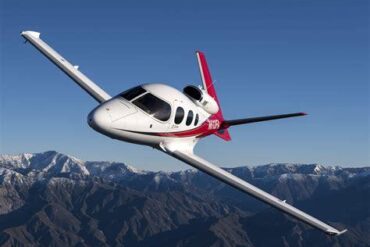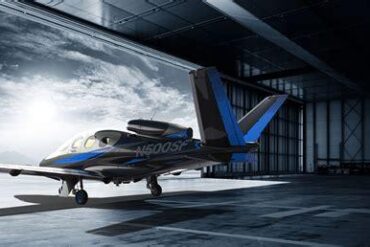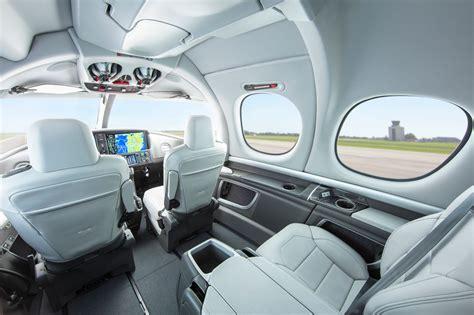
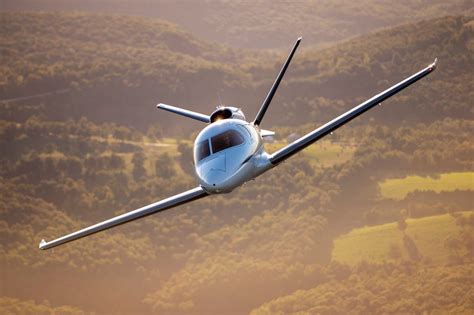
Cirrus Aircraft has carved out a prominent space in the personal aviation industry with its innovative approach, particularly through its flagship model, the Cirrus Vision Jet SF50. Unlike traditional private jets, the Vision Jet is a single-engine marvel that has redefined the boundaries of efficiency, affordability, and accessibility in luxury air travel. However, what many enthusiasts and prospective owners often wonder is: Where are Cirrus Vision Jets built? The answer lies in a sophisticated, multi-phase manufacturing process that spans several key locations in the United States.
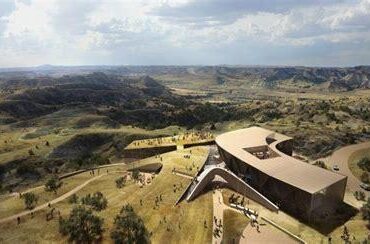
The production of Cirrus Vision Jets begins at the company’s Grand Forks, North Dakota facility, where the essential components of the aircraft are engineered and produced. This includes the meticulous crafting of the carbon-fiber fuselage, a structural element crucial to the Vision Jet’s lightweight frame and aerodynamic performance. North Dakota’s state-of-the-art production plant is where engineering precision meets advanced composite technology, creating the foundational elements of the aircraft.
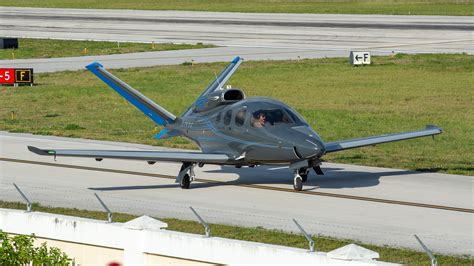
Once the components are completed, they are transported to Duluth, Minnesota, where Cirrus’s final assembly plant operates adjacent to the company’s global headquarters at Duluth International Airport. Here, every Vision Jet is meticulously assembled by highly trained technicians who ensure that every aircraft meets the highest standards of quality and safety. The Duluth facility is also where the jets undergo extensive testing and certification, affirming their readiness for airworthiness under the rigorous scrutiny of the Federal Aviation Administration (FAA).
The Vision Center: Heart of Customer Experience and Delivery
Although not a manufacturing site, Cirrus’s Vision Center in Knoxville, Tennessee, is a vital part of the aircraft’s journey. After assembly and certification, the completed Vision Jets are flown to the Vision Center, which serves as the customer-facing cornerstone of the company. This is where owners first take delivery of their aircraft, receive pilot training, and gain access to maintenance services. The Vision Center is also home to advanced flight simulators and a dedicated team of technicians, making it a comprehensive hub for onboarding and long-term support.
Cirrus’s Legacy: Innovation Rooted in American Soil
Cirrus’s journey began in 1984, in a modest barn in Wisconsin where brothers Alan and Dale Klapmeier took their aviation dreams off the ground. Their early success with the VK-30 kit plane laid the foundation for a company that would eventually revolutionize general aviation. In 1994, Cirrus relocated to Duluth, signaling a new chapter of industrial-scale innovation. Soon after, the Grand Forks facility was launched to accommodate the growing demand for production.
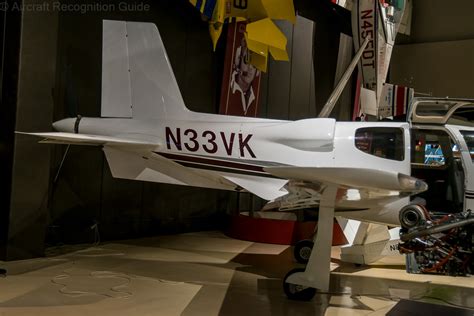
Through the late 1990s and into the 2000s, Cirrus transitioned from kit planes to fully certified production models with the launch of the SR Series—most notably the SR20 and later the SR22, which would become the best-selling general aviation aircraft in the world. A defining feature of these aircraft was the Cirrus Airframe Parachute System (CAPS), a revolutionary safety innovation that set Cirrus apart in the market.
Record-Breaking Success of the Vision Jet
The Vision Jet SF50 is more than just a design triumph—it is a market phenomenon. In 2023, the Vision Jet became the most delivered business jet worldwide, with a record of 96 aircraft delivered in a single year. Its popularity is not just a function of its compact, efficient design, but also its FAA certification as the only single-engine jet of its kind. In 2024, Cirrus celebrated the delivery of its 600th Vision Jet, a milestone that cements its role as a dominant force in personal aviation.
This success is made even more remarkable by the fact that Cirrus Aircraft has been owned by Chinese state interests since 2011, yet all design, production, and final assembly remain proudly based in the United States. This ensures that the company maintains its roots in American aerospace excellence while benefiting from international investment and strategic vision.
Conclusion: Precision, Passion, and American Craftsmanship
Cirrus Vision Jets represent the pinnacle of modern aviation engineering, where craftsmanship meets innovation across a distributed yet unified production process. From the carbon-fiber components in Grand Forks to the final assembly and certification in Duluth, and finally the owner delivery and support in Knoxville, each Vision Jet embodies a legacy of American ingenuity and commitment to excellence. As Cirrus continues to redefine personal aviation, the story of where Vision Jets are built is a testament to the company’s enduring pursuit of quality, performance, and customer satisfaction.