Flying through Military Operations Areas (MOAs) is a unique challenge for general aviation pilots, especially under Visual Flight Rules (VFR). While it is legally permissible to transit these airspaces without prior clearance, the safety implications and procedural nuances make the topic far more complex. Understanding how MOAs function, how to safely navigate through or around them, and what resources are available to pilots is critical for maintaining situational awareness and reducing midair collision risk.
Understanding MOAs and Their Purpose
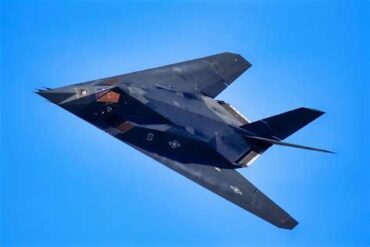
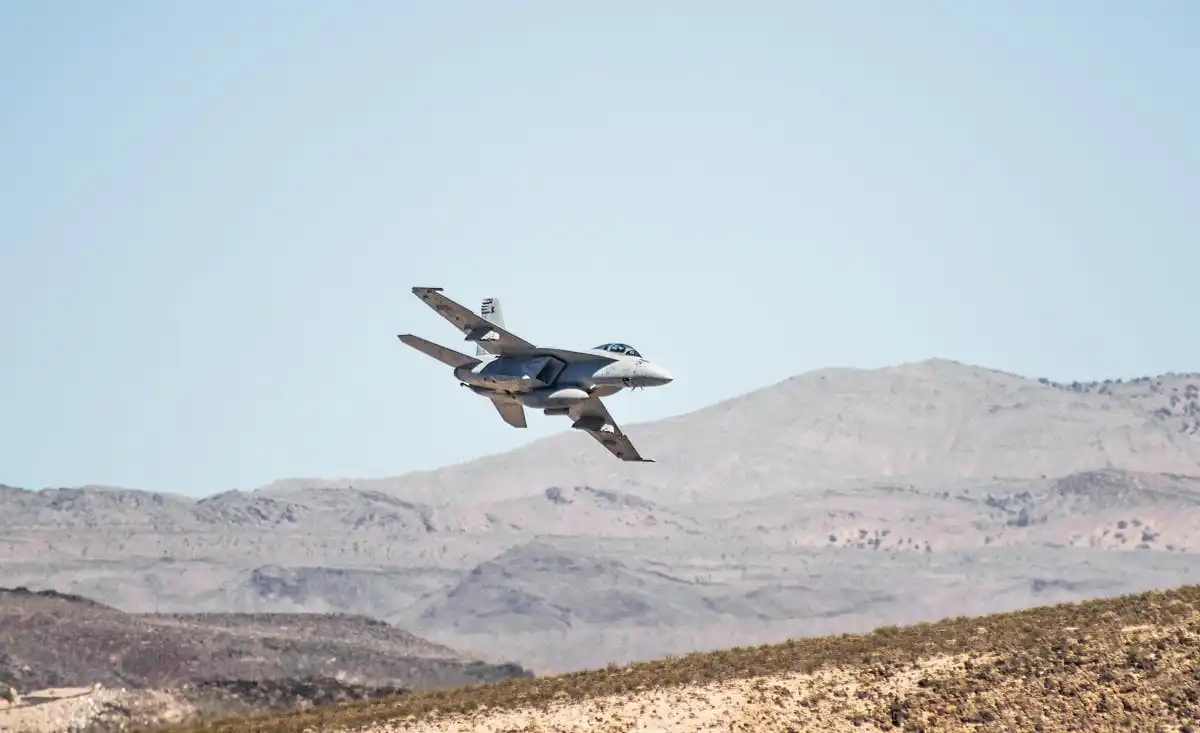
Military Operations Areas are designated blocks of airspace where military training activities such as air combat maneuvers, low-altitude tactics, and formation flying take place. These operations are often high-speed, dynamic, and unpredictable, which is why civilian pilots must exercise heightened caution when approaching or transiting these areas.
Unlike Restricted or Prohibited Areas, MOAs do not restrict VFR traffic. Pilots can legally fly through an active MOA without contacting Air Traffic Control (ATC) or obtaining clearance. However, doing so can place the aircraft in proximity to military jets moving at velocities and in patterns far removed from standard civil aviation operations.
How MOAs Appear on Sectional Charts
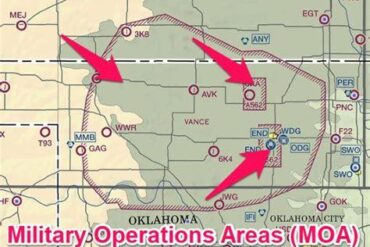
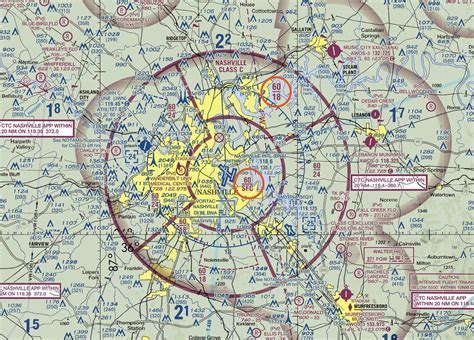
MOAs are depicted on VFR sectional charts with a magenta hatched border and labeled by name, such as “GATOR MOA” or “CHERRY LOW MOA.” These labels often include suffixes to denote subdivisions or altitude distinctions (e.g., HIGH, LOW, NORTH).
To fully assess the potential risk, pilots must examine the sectional chart legend or marginal notes, which provide the following for each MOA:
- Altitude limits (Mean Sea Level)
- Hours of operation (in local time)
- The controlling agency, typically a regional ARTCC (Air Route Traffic Control Center)
- The communication frequency for status updates
Apps like ForeFlight allow pilots to digitally tap or “long-press” on MOAs for instant access to this information, streamlining preflight planning.
When MOAs Are Active – And What That Means
The activation schedule for MOAs is published, but it doesn’t always reflect real-time use. Just because a MOA is “active” on paper doesn’t guarantee there are aircraft inside it. Nor does it mean that it’s necessarily safe to assume there’s no risk.
To determine current activity:
- Contact Flight Service Station (FSS) or ARTCC on the published frequency.
- Ask, “Is [MOA name] active right now?”
This simple radio call can provide crucial insight into whether military aircraft are currently engaged in training.
Flight Following and Communication: Your Safety Net
While VFR pilots do not need a clearance, obtaining VFR flight following is one of the smartest choices when transiting near or through a MOA. Flight following connects you to ATC, giving you radar-based traffic advisories, and potentially real-time MOA status updates.
The benefits include:
- Enhanced situational awareness
- Early warning of military traffic conflicts
- Potential re-routing or altitude adjustments for safety
Additionally, contacting ATC shows an active effort toward see-and-avoid responsibilities, which bolsters safety and professionalism.
The Risk of High-Speed Military Traffic
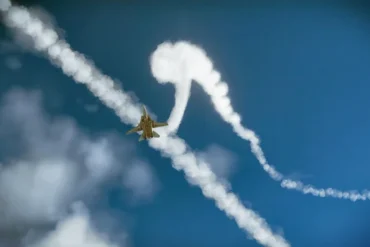
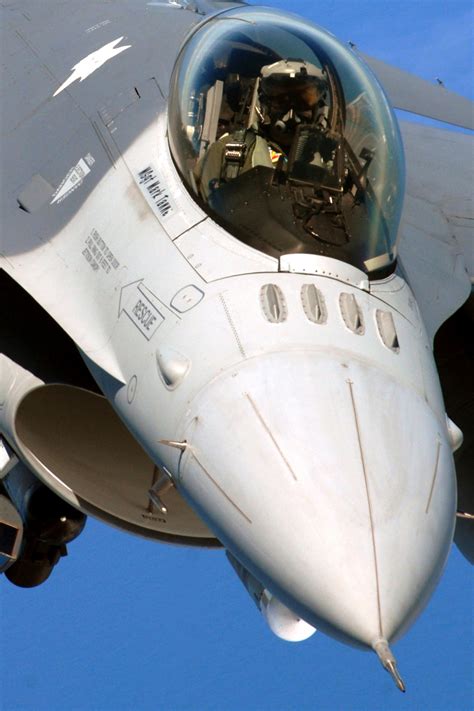
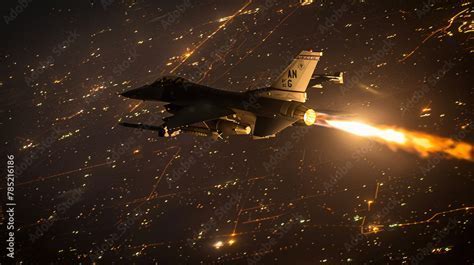
Military jets are fast, nimble, and often engaged in rapid, low-visibility maneuvers. These aircraft may not use transponders visible to civil traffic or may be engaged in actions where they cannot easily avoid civilian aircraft.
A VFR pilot cruising at 120 knots may seem stationary compared to a fighter jet closing in at 500+ knots. With this relative speed, the chance of visual acquisition and collision avoidance diminishes drastically.
Therefore, while legal, flying through an active MOA without coordination borders on reckless unless additional precautions are taken.
IFR and MOAs: A Different Ballgame
Under Instrument Flight Rules (IFR), the situation changes. According to AIM 3-4-5, nonparticipating IFR aircraft may be cleared through an active MOA only if ATC can ensure separation.
In most real-world scenarios:
- If ATC cannot guarantee separation, they will re-route or delay the IFR aircraft.
- MOAs thus represent a planning constraint for IFR pilots.
As a best practice, when filing IFR, it’s wise to plan routes that circumvent known MOAs unless clearance through them has been confirmed.
Temporary MOAs and Their Role
The FAA occasionally designates Temporary MOAs (TMOAs) to meet the military’s need for expanded or specialized airspace during large-scale exercises. These areas are:
- Created for up to 45 days
- Publicized within 100 nautical miles of their boundaries
- Activated by request from military agencies, not ATC
Pilots should stay alert for TMOAs in NOTAMs and FAA publications, as they may not always be shown on sectional charts.
MOAs in Class G Airspace: A Legal Grey Zone
Some MOAs exist entirely within Class G airspace, where no ATC clearance is required and VFR minimums can be as low as 1 statute mile visibility, provided the aircraft remains clear of clouds.
This setup creates a potentially dangerous convergence:
- Military aircraft conducting intense training
- Civilian VFR pilots legally flying with minimal visibility
To mitigate this, the FAA mandates letters of agreement between using and controlling agencies to outline procedures and responsibilities within these MOAs. Still, the onus remains on VFR pilots to fly defensively and proactively.
Best Practices When Flying Near or Through a MOA
Even with legal permission to enter, experienced pilots avoid flying through MOAs unless necessary. If passage is required, the following strategies greatly enhance safety:
- Obtain flight following and inform ATC of your route.
- Monitor the MOA’s frequency for military activity.
- If ATC is unavailable, call Flight Service for a real-time activity check.
- Consider altering your course or altitude to skirt the MOA.
- Use electronic tools (ForeFlight, Garmin Pilot) to assess vertical and lateral MOA boundaries.
- Maintain a high visual scan rate and keep exterior lights on.
Final Thoughts: Legality vs. Practicality
The core takeaway is this: just because you can, doesn’t mean you should. Legally, VFR pilots may transit MOAs without clearance. Practically, it’s often ill-advised unless you’re communicating and actively monitoring the situation.
MOAs are essential tools for maintaining our national defense readiness. They offer the military critical space to hone skills that may one day save lives. But these same areas also present significant hazards to unaware or unprepared civilian pilots.
The safe coexistence of civil and military aviation depends on mutual respect, communication, and sound judgment. By taking proactive measures — from chart review and real-time updates to proper radio use and flight following — civilian pilots can safely navigate even the most complex airspace environments.
So, is it OK to fly through MOAs? Legally, yes. But safely? Only if you do your homework, communicate, and remain vigilant.