When we talk about wind affecting flight safety, it’s important to understand the different types of wind and how they influence aircraft during takeoff, flight, and landing. Wind is categorized into two primary types that affect aviation: crosswinds and headwinds.
Crosswinds
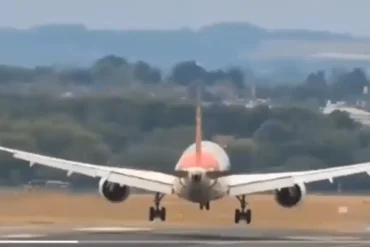
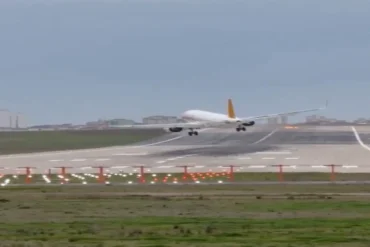
Crosswinds occur when the wind blows perpendicular to the runway, making it harder for the aircraft to align with the direction of travel. Aircraft are designed to handle crosswinds, but each model has its limits. For instance, commercial airliners like the Airbus A320 can safely land in crosswinds of up to 36 knots (approximately 40 mph). Pilots use a special landing technique called the crab method, where they approach the runway with the plane angled into the wind and then straighten out just before landing. This method ensures the plane remains stable during descent and landing.
Headwinds
Headwinds, on the other hand, are winds that blow directly against the aircraft’s path. These are actually beneficial during flight as they reduce the plane’s ground speed and can help save fuel. Headwinds are also useful during takeoff and landing, as they provide additional lift and reduce the aircraft’s required runway length.
The Role of the Pilot in Windy Conditions
One of the most reassuring aspects of flying in strong winds is the experience and training of the pilots. Commercial pilots undergo extensive training to handle a variety of weather conditions, including strong winds. They are equipped with the necessary skills and tools to manage different wind speeds and directions.
For instance, during high wind conditions, pilots will continually monitor the wind speed and direction, and they work closely with air traffic control (ATC) to adjust their flight paths as needed. If conditions become unsafe, the flight can be diverted or even canceled, though this is a rare occurrence.
Additionally, pilots receive updates from weather stations and onboard radar systems that allow them to anticipate and navigate through wind changes. As a result, most flights, even in windy weather, remain comfortable and safe for passengers.
Aircraft Design and Wind Resistance
Modern aircraft are designed to withstand a range of challenging weather conditions, including high winds. The materials and engineering that go into the construction of commercial airliners are specifically intended to ensure stability during flight, even in turbulent air.
Turbulence, which is caused by wind interacting with the atmosphere, is one of the most common concerns for passengers. However, turbulence, while uncomfortable, is rarely dangerous. Planes are built to absorb and adapt to the forces of turbulence. For example, the Boeing 787 Dreamliner is equipped with advanced wing flexibility technology that helps it cope with turbulent air, ensuring that passengers experience minimal discomfort.
Moreover, aircraft have onboard systems that allow pilots to adjust the plane’s altitude and course to find smoother air, minimizing the effects of wind turbulence.
Are Winds Dangerous During Flight?
Despite the unsettling nature of wind, it is important to understand that wind alone is not dangerous to modern aircraft. In fact, commercial pilots often fly in jet streams, which are high-altitude winds that can reach speeds well above 100 mph. These winds, while strong, are not a threat to flight safety.
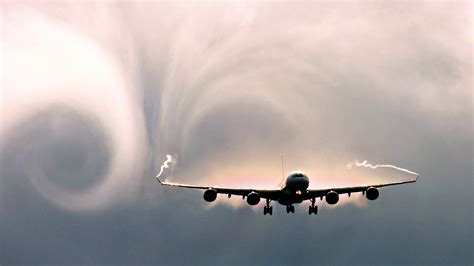
The real challenge comes from the turbulent air created when wind interacts with the ground, buildings, mountains, or other obstacles. This mechanical turbulence can create pockets of air that push the plane up, down, or sideways. However, aircraft are built to handle this kind of turbulence, and pilots are trained to adjust their flying techniques to ensure a smooth ride.
It’s also worth noting that commercial airlines rarely fly through weather systems that would pose a significant threat, such as extreme storms or hurricanes. In cases of severe weather, flights are often delayed or rerouted well in advance to avoid any risks.
The Safety Protocols in Place for Strong Winds
Airlines and airports follow strict safety protocols when it comes to flying in strong winds. Each aircraft is subject to crosswind limits that are determined by the aircraft manufacturer and regulatory bodies like the Federal Aviation Administration (FAA). These limits specify the maximum wind speed that an aircraft can safely land in under various conditions.
Before a flight takes off, the flight crew will review weather reports to assess wind conditions. They will then determine whether it is safe to proceed with the flight based on the aircraft’s capabilities and the conditions at both the departure and arrival airports.
In addition to aircraft specifications, pilots are in constant communication with air traffic control. ATC provides real-time weather updates, which helps pilots adjust their approach and landing strategy accordingly. If the conditions worsen during the flight, pilots can also change altitude or course to avoid turbulence and high winds.
What Passengers Should Know About Flying in Strong Winds
For passengers who feel nervous about flying in strong winds, it’s important to remember that safety is the top priority for airlines and pilots. The idea that planes can’t fly in strong winds is a misconception. In fact, planes frequently fly in winds much stronger than those that cause discomfort for passengers on the ground.
Here are some additional reassurances for nervous flyers:
- Planes are built to withstand strong winds, and pilots are trained to handle all types of wind conditions.
- Turbulence is normal: While turbulence can be uncomfortable, it is not dangerous. It’s simply the result of air moving in different directions and speeds.
- Windy conditions often enhance flight performance: Headwinds can actually help planes take off faster and reduce the amount of fuel used during flight.
- Flight cancellations are rare: Airlines will cancel flights if the weather is truly unsafe, but this is a precautionary measure, and it’s rare that winds alone would cause a cancellation.
Conclusion
In conclusion, flying in strong winds is generally safe and manageable for modern aircraft and experienced pilots. While the idea of turbulence or high winds can cause anxiety, it is important to trust in the safety measures in place and the extensive training that pilots undergo to handle all types of weather conditions. Remember, air travel remains the safest mode of transportation, and strong winds, while they may create uncomfortable flying conditions, are not a threat to the safety of your flight.