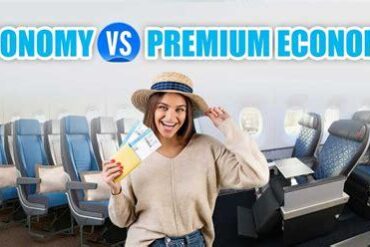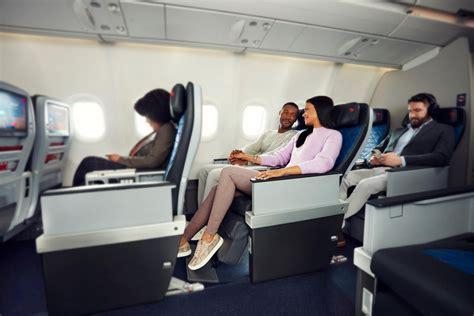
Domestic air travel has quietly transformed into a tiered experience economy, where the days of a single “economy class” reality are long gone. Today’s booking screens push travelers toward add-ons and upgrades, the most tempting of which is Premium Economy on domestic flights—marketed as Delta Comfort+, United Economy Plus, or American Airlines Main Cabin Extra. The promise is simple: more space, less stress, and a smoother journey without paying first-class prices. The reality, however, is more nuanced, shaped by aircraft type, flight length, personal comfort thresholds, and how airlines bundle value into these seats.
For many travelers, the real question isn’t whether Premium Economy is better than standard economy—it clearly is—but whether the upgrade is worth the money on domestic routes where flights are shorter and seat hardware is often identical. The answer lives in the details: legroom measurements, boarding privileges, fatigue reduction, and the hidden cost savings that don’t show up on the seat map.
By looking closely at comfort physics, airline strategy, and traveler psychology, the true value of domestic Premium Economy becomes easier to evaluate—and in certain scenarios, surprisingly compelling.
Understanding What “Premium Economy” Really Means on Domestic Flights
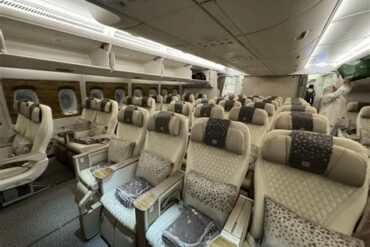
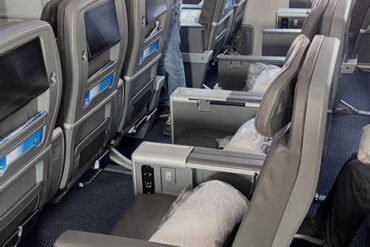
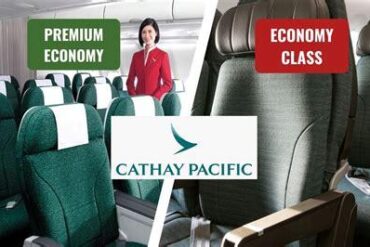
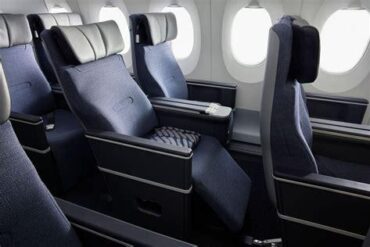
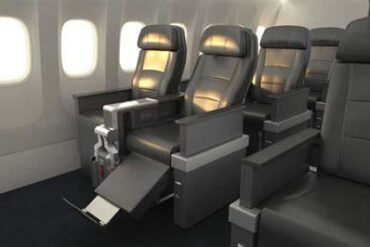
Unlike international Premium Economy, which features wider seats, dedicated cabins, upgraded meals, and visible physical separation, domestic Premium Economy is best understood as enhanced economy rather than a new class entirely. The seat itself is usually the same width—around 17 to 18 inches—but with additional legroom, typically expanding seat pitch from 30–31 inches to 34–36 inches.
What airlines sell here is not luxury, but relief. Relief from knees jammed into tray tables. Relief from gate-checking a carry-on. Relief from boarding last and settling disputes over overhead bin space. These friction points define modern flying, and Premium Economy is engineered to solve them efficiently.
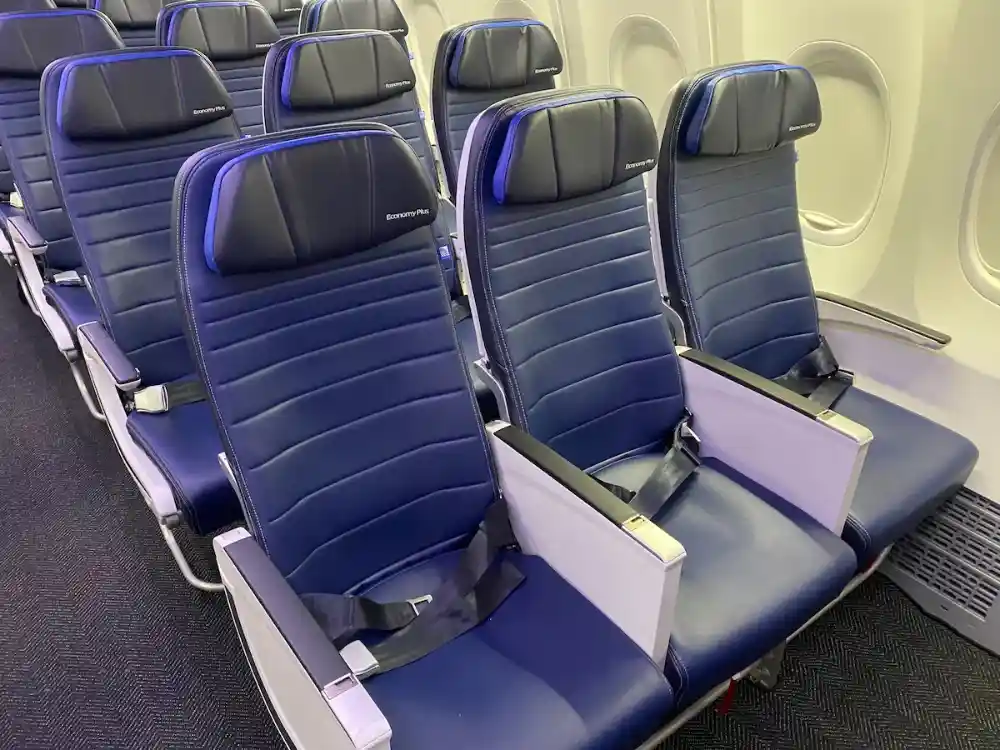
Crucially, airlines have bundled priority boarding, reserved overhead bin access, and often complimentary alcoholic beverages into these fares. The result is a product that feels smoother end-to-end, even if the physical seat hasn’t changed dramatically.
When Premium Economy Is Absolutely Worth It
There are specific circumstances where Premium Economy on domestic flights becomes a high-value upgrade rather than a marginal indulgence. Flight duration is the first and most important variable. On flights over three hours, fatigue compounds quickly in standard economy. The extra four to six inches of legroom allows for posture adjustments, circulation, and the ability to work without hunching forward.
Height matters even more. Travelers over six feet tall experience disproportionate discomfort in standard economy, where knee clearance becomes a structural problem rather than a preference. Aviation ergonomics experts consistently note that constrained knee angles on longer flights contribute to stiffness, circulation issues, and lingering lower-back pain. Premium Economy’s expanded pitch allows legs to extend naturally and reduces constant micro-adjustments that drain energy.
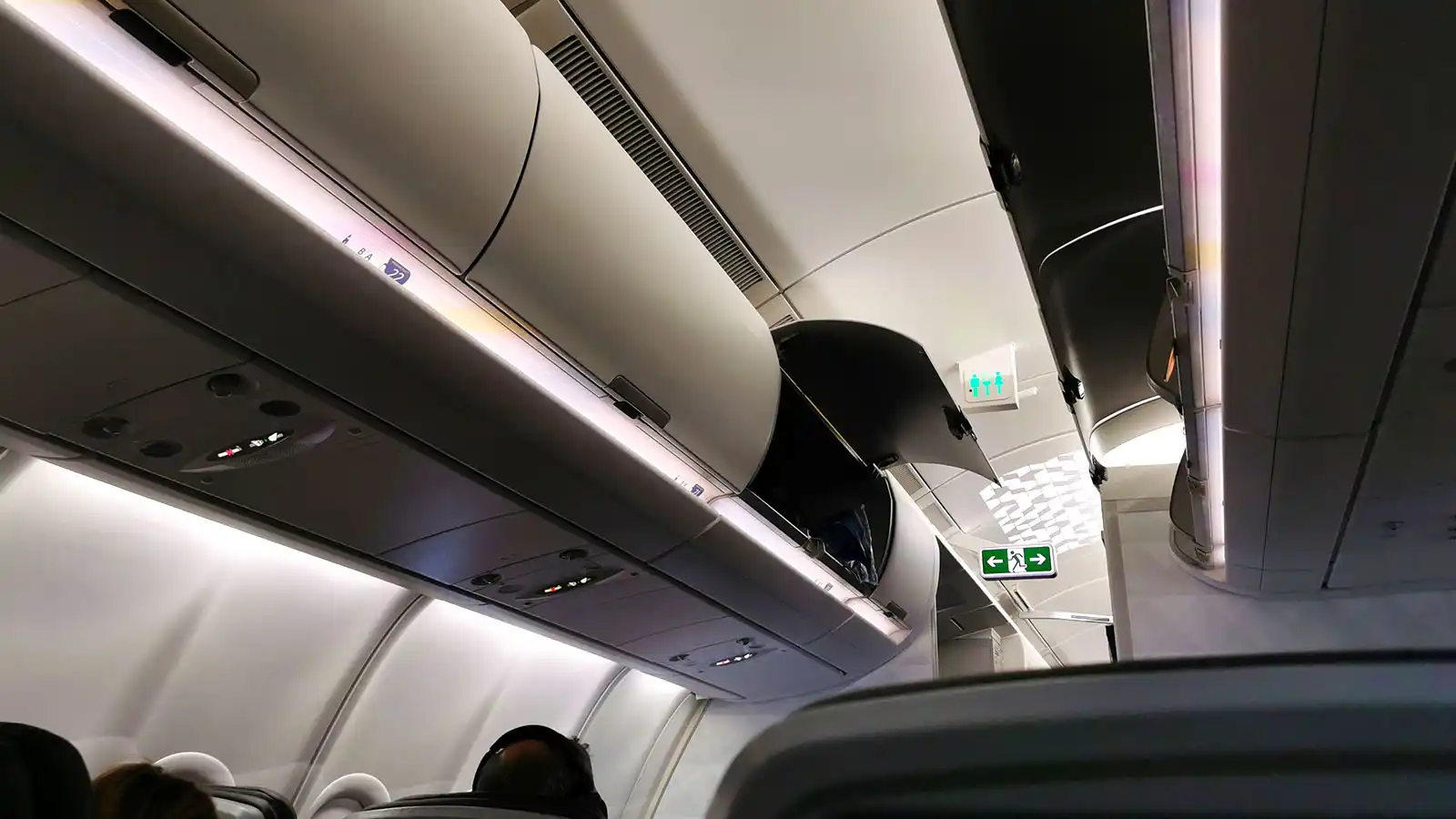
Another decisive factor is carry-on luggage strategy. In an era of aggressive baggage fees, many travelers rely entirely on overhead bins. Premium Economy virtually guarantees space, eliminating the anxiety of boarding late and the time penalty of gate-checking. For business travelers, this alone often justifies the upgrade.
Finally, Premium Economy shines when airlines price it intelligently. If you were already planning to pay for seat selection, checked bags, or onboard drinks, the upgrade delta often narrows to $15–$30, at which point the value proposition becomes difficult to ignore.
The Aircraft Makes or Breaks the Experience
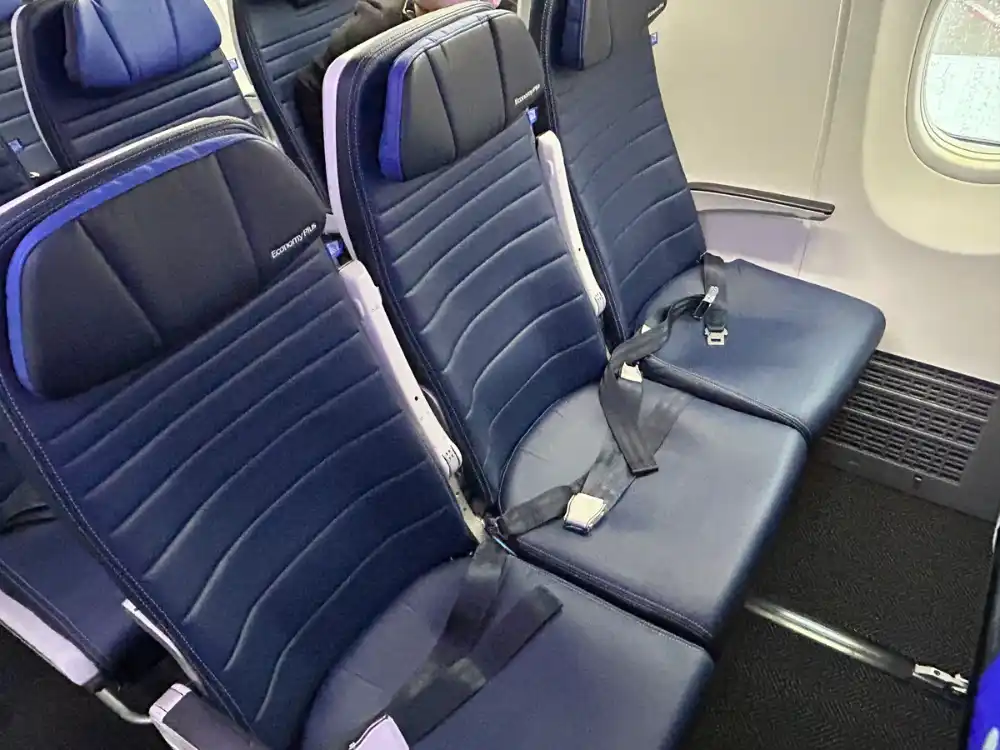
Not all Premium Economy seats are created equal, and aircraft type plays a disproportionate role in determining comfort. On newer narrow-body jets like the Airbus A321neo or Boeing 737 MAX, standard economy seats use ultra-thin padding to maximize cabin density. Premium Economy rows on these aircraft often retain slightly thicker cushioning and deeper recline, which can reach five inches compared to two or three inches in standard economy.
That difference becomes meaningful on afternoon or evening flights when passengers want to rest. The ability to recline without crushing the passenger behind you—and without sacrificing your own knee space—is one of the few tangible hardware advantages Premium Economy delivers domestically.
Conversely, on older aircraft or regional jets, the upgrade can be underwhelming. Some configurations offer only one extra inch of legroom and lack power outlets or modern entertainment screens. Paying a flat premium without checking the aircraft tail number can result in disappointment, making aircraft research an underrated but critical step.
The Hidden Financial Upside Airlines Don’t Advertise
Premium Economy has quietly become the most profitable cabin on domestic aircraft. It occupies only slightly more floor space than standard economy but commands 40–100% higher fares. Airlines wouldn’t invest so heavily in expanding these cabins if passengers weren’t finding value in them.
For travelers, that value increasingly extends beyond the flight itself. Many loyalty programs now award higher mileage multipliers for Premium Economy bookings, accelerating progress toward elite status. For frequent flyers, this creates a compounding benefit: one upgrade unlocks future upgrades, priority services, and fee waivers.
There’s also a liquid value component. Complimentary alcoholic beverages—now standard on many Premium Economy fares—can offset $15 per drink at today’s onboard prices. Add in premium snacks and earlier deplaning, and the upgrade quietly repays itself in time and money.
Premium Economy vs Exit Row: Space vs Service
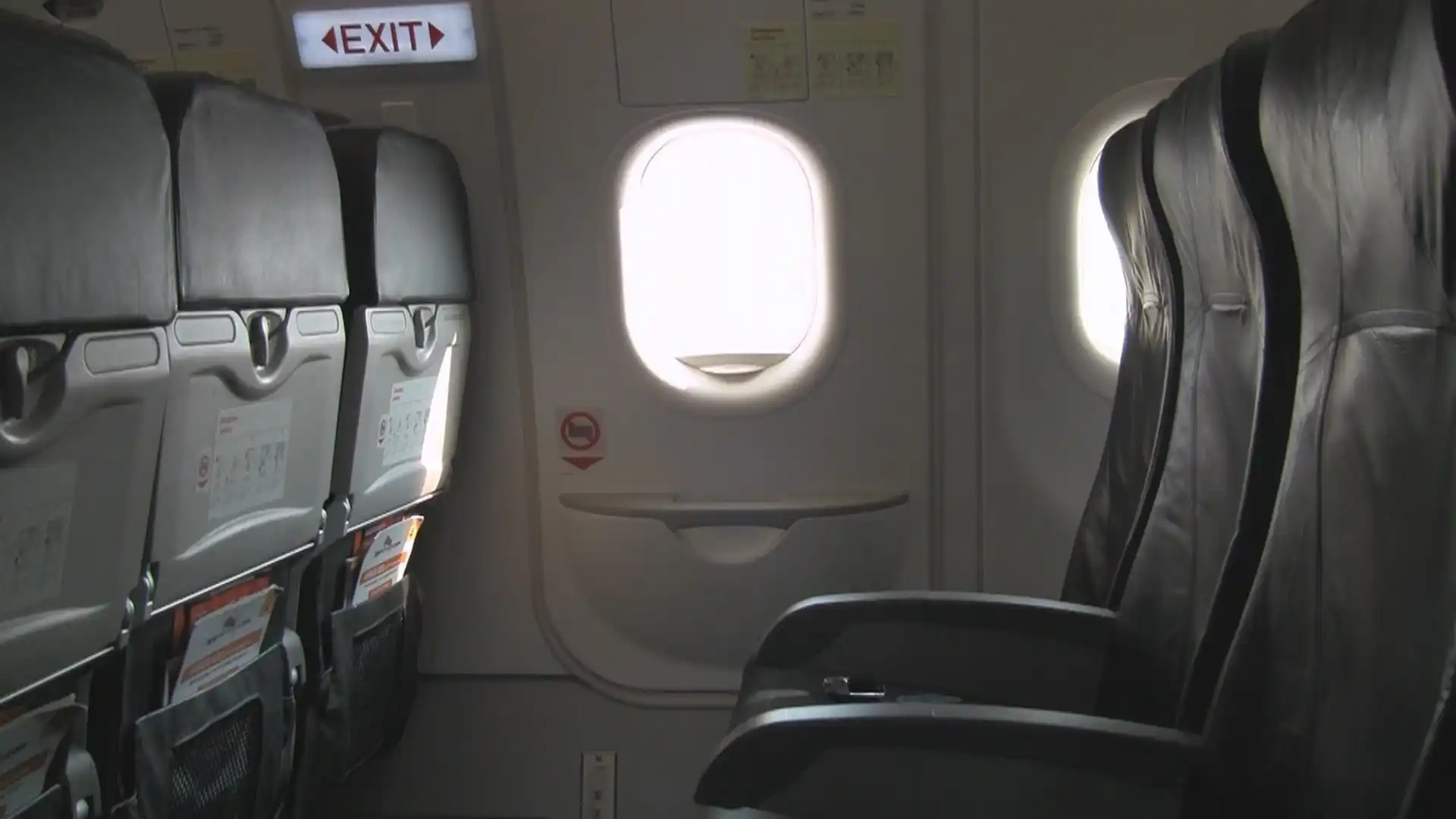
The most common alternative to Premium Economy is the exit row, and the comparison reveals what airlines are really selling. Exit rows often provide exceptional legroom, sometimes exceeding 40 inches, making them ideal for tall travelers whose only priority is space.
What exit rows lack is service continuity. No complimentary alcohol. No priority boarding. No reserved bin access. For travelers with elite status or co-branded credit cards that already provide early boarding, exit rows can be a smarter buy. For everyone else, Premium Economy offers a more holistic upgrade that begins at the gate and ends after landing.
The decision ultimately hinges on whether you value pure legroom or reduced friction. Premium Economy wins on the latter almost every time.
Why Premium Economy Still Isn’t First Class—and Never Will Be
It’s important to reset expectations. Domestic Premium Economy is not a substitute for first class, and treating it as such leads to disappointment. The seat width remains the same. The cabin is not truly separate. Privacy is minimal.
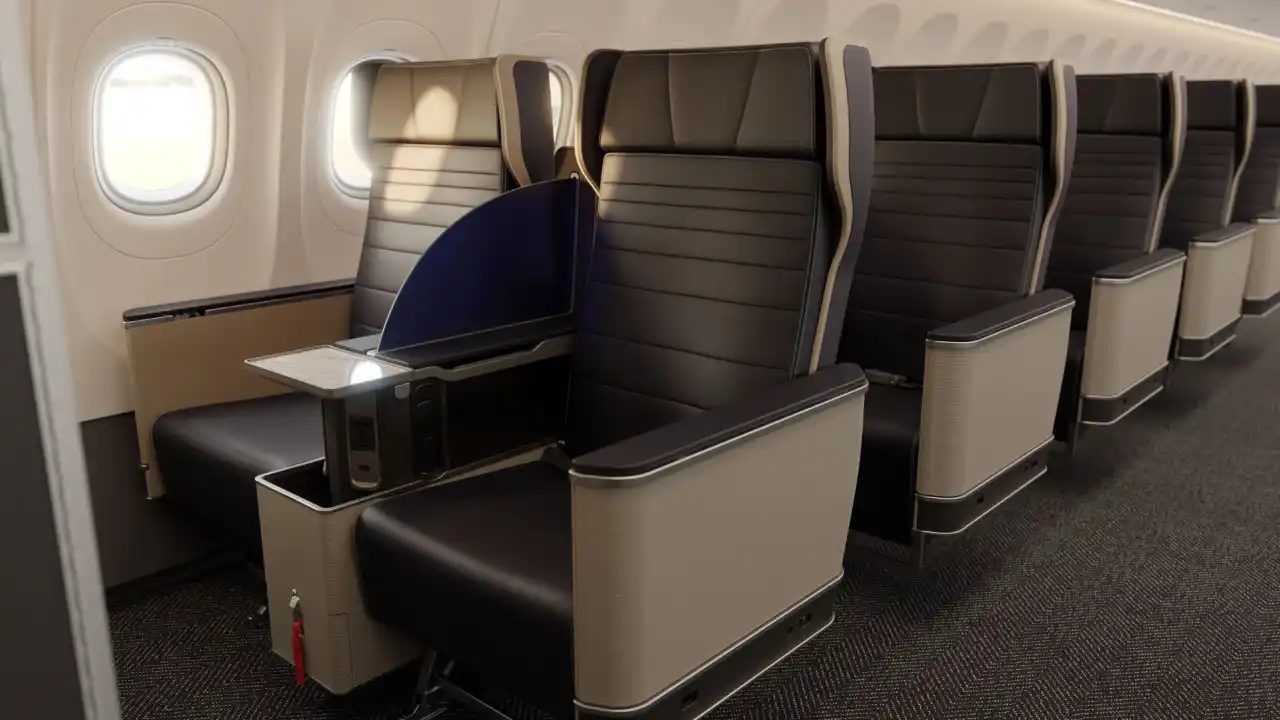
First class, by contrast, offers wider seats (around 21 inches), a two-by-two layout, deeper recline, and a level of personal space that allows real productivity and rest. Financial analysts consistently value domestic first class at roughly $50 per flight hour above economy, largely because it enables work or sleep rather than mere survival.
Premium Economy occupies the pragmatic middle ground. It doesn’t elevate the journey—it stabilizes it.
The Risks and Common Upgrade Traps
The biggest risk with Premium Economy is inconsistency. Seat quality can vary dramatically between aircraft types, and airlines rarely surface these differences during booking. A premium seat on a brand-new jet can feel transformative; the same seat on an older plane can feel like a marketing illusion.
Bulkhead seats introduce another trade-off. While they prevent seatback intrusion, they require all personal items to be stowed overhead during takeoff and landing. Tray tables and screens stored in armrests also reduce usable seat width, which can feel restrictive for broader passengers.
Perhaps the most common mistake is paying extra for a Premium Economy middle seat. Extra legroom does little to offset shoulder compression, and in most cases, a standard aisle or window seat further back is a better experience. Unless knee clearance is a physical necessity, premium middle seats rarely justify their price.
How to Decide—Without Overthinking It
Premium Economy on domestic flights is best understood as a stress-reduction product, not a luxury upgrade. It’s worth paying for when comfort affects performance, mood, or physical well-being—particularly on longer flights, tight schedules, or work-critical trips.
Timing matters. Airlines frequently discount Premium Economy upgrades 24–48 hours before departure via mobile apps to fill unsold seats. This is where $100 upgrades often drop to $39–$59, turning a borderline decision into an easy yes.
As domestic cabins continue to densify, the comfort gap between standard economy and Premium Economy will only widen. By the late 2020s, these seats are likely to include faster Wi-Fi, enhanced catering, and deeper integration with loyalty programs, further solidifying their role as the new default for travelers who value calm over chaos.
In the end, Premium Economy isn’t about indulgence. It’s about arriving less tired than you left—and on today’s crowded domestic flights, that alone can be worth the price.