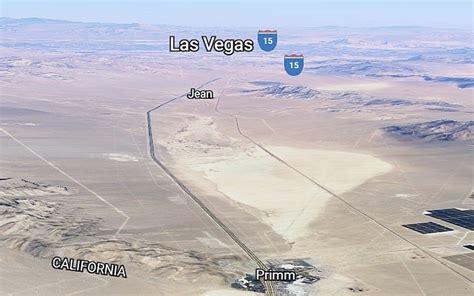
In a transformative move that could redefine the air travel landscape of Southern Nevada, the Federal Aviation Administration (FAA) has officially launched the process to prepare an Environmental Impact Statement (EIS) for the long-discussed Southern Nevada Supplemental Airport (SNSA). This long-anticipated development marks the most significant progress to date toward the realization of Las Vegas’ long-awaited second commercial airport, to be located in Ivanpah Valley, approximately 30 miles south of Harry Reid International Airport.
For more than two decades, the concept of a secondary airport to serve the rapidly growing Las Vegas region remained in limbo. Now, with federal authorities initiating the environmental review phase, the project moves from theory to an actionable framework.
A Critical Response to Explosive Air Travel Demand
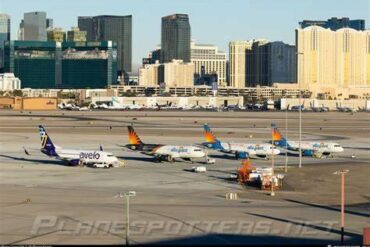
Las Vegas has seen extraordinary growth in visitor traffic over the past decade, and Harry Reid International Airport has been under increasing strain. Handling more than 55 million passengers annually, the facility—despite undergoing expansions—faces constraints in accommodating future increases in demand.
The planned Southern Nevada Supplemental Airport is expected to relieve these bottlenecks. By offering a second major airfield for both domestic and international flights, the SNSA aims to enhance capacity, reliability, and operational resilience. According to Rosemary Vassiliadis, Director of Aviation for Clark County, “this is a major milestone” that represents not only regional growth but also national aviation foresight.
Strategic Location and Scope of the Ivanpah Valley Site
The proposed SNSA site in Ivanpah Valley is strategically positioned along the Interstate 15 corridor, near the Nevada-California border. This location makes it ideal for handling overflow traffic from the Las Vegas metro area, while also capturing demand from Southern California travelers seeking alternative connections to international destinations.
The airport is projected to sit on over 6,000 acres of federal land, managed in collaboration with the Bureau of Land Management (BLM). This vast expanse will allow for multiple runways, cargo facilities, and potential multi-modal transportation links, such as rail or highway extensions. Such infrastructure would not only relieve Harry Reid International but also potentially reshape tourism logistics for events, conventions, and entertainment in the Las Vegas Strip and beyond.
Environmental Impact Statement: A Turning Point
The initiation of the Environmental Impact Statement is not just bureaucratic red tape; it is a legally mandated and essential stage in ensuring that the SNSA is designed responsibly. This comprehensive review will assess potential disruptions to:
- Local ecosystems and wildlife habitats
- Air and water quality
- Noise pollution levels
- Cultural and tribal lands
The FAA and BLM will host three public meetings in July 2025—two in-person sessions and one virtual forum. These are aimed at gathering feedback from local stakeholders, residents, and advocacy groups. Such transparency is critical in maintaining community trust and in aligning the project with regional environmental and social standards.
2037: The Target Year for Takeoff
If the EIS phase and subsequent approval processes stay on schedule, construction could begin by the end of this decade, with operations slated to commence around 2037. That timeline aligns with projections for when Harry Reid International will likely hit its maximum sustainable throughput.
Key long-term benefits of the SNSA include:
- Increased flight availability and route diversity
- Alleviation of delays and air traffic congestion
- Attraction of additional airline partnerships and low-cost carriers
- Greater economic flexibility for hosting large-scale conventions and sports events
Economic Impacts: Aviation Infrastructure as Growth Catalyst
The economic ripple effect of the SNSA is expected to be enormous. Construction alone could generate tens of thousands of temporary jobs, while the airport’s operation will create long-term employment in fields ranging from air traffic control to ground services and retail concessions.
Furthermore, the SNSA could stimulate regional development in areas previously overlooked due to limited accessibility. Nearby towns and unincorporated areas may see increased investment in housing, roads, and hospitality services, becoming new nodes in the Southern Nevada economic map.
The anticipated airport will also serve as a logistics hub, supporting cargo traffic that has grown in parallel with e-commerce and regional trade. This commercial diversification is crucial for an economy traditionally reliant on tourism and gaming.
Aviation Strategy: Balancing Legacy and Expansion
Las Vegas’ aviation strategy involves more than building a new facility—it’s about orchestrating a dual-airport ecosystem. While Harry Reid International will remain the city’s flagship airport, its future role will shift toward high-volume and long-haul services. In contrast, the SNSA could focus on short- to medium-haul traffic, budget airlines, and freight operations.
This separation of roles will enhance efficiency, allow for better airspace management, and reduce the environmental footprint associated with concentrated airport activity in a single location. By decoupling passenger loads and optimizing flight schedules, the region can improve the passenger experience, reduce delays, and provide airlines with more operational flexibility.
Tourism, Business, and International Connectivity
Las Vegas is not only a global destination for leisure and gaming but is increasingly becoming a center for technology conventions, sports events, and international expos. The SNSA will provide the infrastructural backbone to support this evolution.
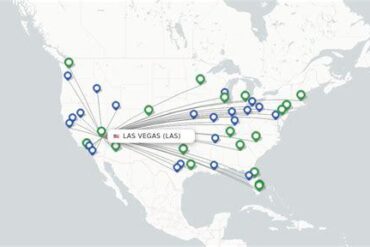
With the new airport, Las Vegas will have the ability to court more direct flights from Asia, Europe, and South America, bringing in travelers who currently must connect through coastal hubs. That shift could redefine the city’s international visitor demographics and extend the average length of stay, leading to a greater economic boost.
Business travelers attending trade shows at the Las Vegas Convention Center or events like CES will benefit from improved access and reduced transit time. Likewise, the hospitality industry—from mega-resorts to boutique hotels—will see stronger booking patterns as airline connectivity becomes more seamless.
Public Perception and Regional Politics
The success of the SNSA will also depend on public perception and the ability of stakeholders to build consensus. While economic arguments are compelling, concerns about noise, pollution, and land use could pose roadblocks if not adequately addressed.
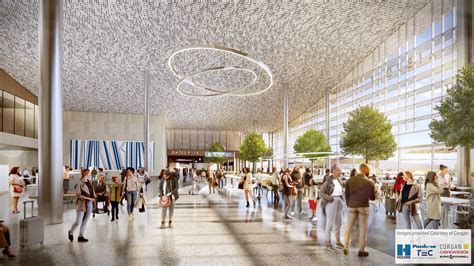
Clark County officials have emphasized their commitment to environmental stewardship and responsible growth, pledging to integrate renewable energy solutions and sustainable building practices into the airport’s design. From solar panels on terminal roofs to water recycling systems, the SNSA may emerge as a model of eco-conscious aviation infrastructure.
As discussions progress, support from state legislators, transportation committees, and tourism boards will be instrumental in maintaining momentum and securing federal funding.
Conclusion: A Vision for the Skies Above Las Vegas
The Southern Nevada Supplemental Airport is no longer a speculative concept—it’s a project gaining traction through deliberate, structured progress. The FAA’s environmental review is the launchpad for a development that could transform the region’s air travel ecosystem by 2037.
With the demand for air travel showing no signs of decline, and Las Vegas’ global profile continuing to rise, this second airport offers a bold solution that balances growth with sustainability. It promises to create jobs, attract international traffic, and reinforce the city’s status as a critical node in global air transportation.
As the public engages in the environmental review process and the groundwork for development takes shape, Southern Nevada stands on the verge of a new era—where its skies can handle more dreams, more deals, and more destinations than ever before.