As the vibrant heart of Portugal, Lisbon is poised to experience an unprecedented surge in tourism as it gears up for an exciting festival boom that runs from June through November. This period marks a significant shift in the city’s cultural landscape, with a variety of high-profile events scheduled to take place. From music festivals that resonate with the rhythm of summer to cinematic celebrations and gaming expos that capture the imagination of tech enthusiasts, Lisbon is solidifying its status as a premier travel destination.
The Portuguese Ministry of Culture, along with Turismo de Portugal, is at the forefront of promoting these festivals, ensuring that the capital’s tourism scene not only thrives but evolves into a year-round attraction. As the city prepares for an influx of visitors, the impact on local economies and the overall travel experience promises to be profound and lasting.
Festival Season Drives Tourist Influx
At the core of Lisbon’s festival season are three major events that have garnered recognition and support from cultural authorities across Portugal. Each festival is designed to enhance visitor experiences and cater to diverse audiences:
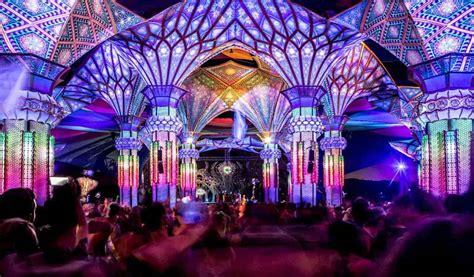
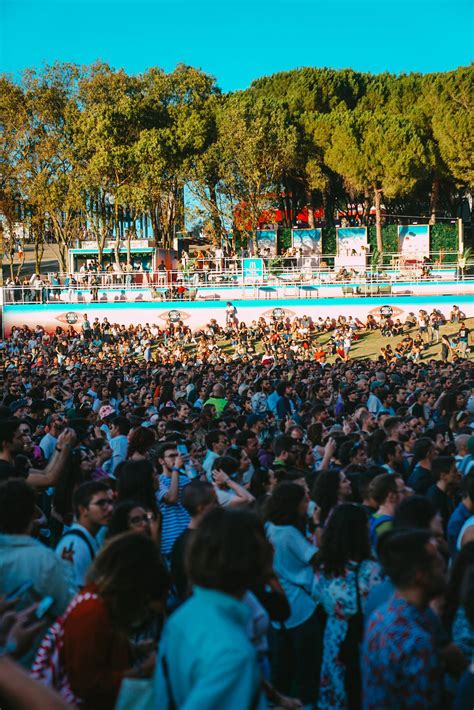
- MEO Kalorama: This music festival, returning for its fourth edition in 2025, will be held in late June at Bela Vista Park. With a lineup featuring popular rock, pop, and electronic acts, it is set to attract both domestic fans and international festivalgoers, continuing its legacy since its inception in 2022.
- Festival dos Oceanos: Spanning mid-August along Lisbon’s stunning riverfront—covering the historic center, Belém, and Parque das Nações—this festival offers free access to a variety of concerts, theatre performances, and street acts. It is expected to draw around two million visitors over its fifteen-day schedule, showcasing the city’s rich cultural tapestry.
- Lisboa Games Week: Scheduled for November at the FIL Exhibition Centre, this event stands as Europe’s major gaming trade fair, consistently attracting over 55,000 attendees each year. This festival not only highlights the rising popularity of gaming but also positions Lisbon as a hub for innovation and technology.
These events are meticulously aligned with the National Strategic Tourism Plan and Lisbon’s own cultural tourism strategy, which emphasize the importance of extending tourism beyond peak summer months. This strategic approach ensures that visitors are encouraged to explore the city throughout the year, enhancing the economic viability of local businesses.
Tourism Infrastructure Responds
To accommodate the expected surge in visitors during the festival season, local authorities have been proactive in enhancing Lisbon’s tourism infrastructure. The Ministry of Culture, Youth, and Sports has coordinated with Turismo de Portugal to ensure that both accommodation and transportation systems are equipped to handle the increased demand. Hotels in central Lisbon, as well as suburbs like Belém and Parque das Nações, are already reporting early bookings and extended stays, reflecting the heightened interest in festival attendance.
Public transport services, particularly trams and metro lines serving key festival locations such as Bela Vista Park and the Exhibition Centre, are being upgraded. Authorities are implementing additional weekend and evening services to manage peak loads, ensuring that attendees can travel safely and efficiently between events. This enhanced transport network not only facilitates easier access to festival sites but also encourages visitors to explore Lisbon’s many attractions.
Effects on Travel and Visitor Behavior
Extended Stays and Shoulder-Season Appeal
One of the most significant impacts of the festival boom is the extension of visitor stays, which contributes to a more robust off-peak tourism season. Events like Kalorama in June encourage travelers to visit during the mid-year, while the Games Week in November bolsters autumn tourism—historically a quieter period for the city. This diversification of travel patterns is essential for sustaining local economies.
Diverse Tourist Demographics
The demographic profile of festival audiences is remarkably diverse. From Gen Z concertgoers drawn to the energetic atmosphere of Kalorama to families and cultural tourists enjoying the inclusive offerings of Festival dos Oceanos, and tech-savvy gamers flocking to Lisboa Games Week, the range of events caters to varied interests. This diversity enhances Lisbon’s appeal as a destination that can satisfy a broad spectrum of tastes and preferences.
Spill-Over Spending
The presence of festival-goers often leads to increased spending in Lisbon’s historic districts, such as Alfama, Bairro Alto, and Belém. Visitors frequently venture beyond the festival grounds, impacting local restaurants, shops, and transport services positively. This spill-over effect not only boosts the immediate economy but also fosters a deeper connection between tourists and the local culture.
Transport Demand Peaks
With the anticipated spike in festival attendance, authorities are preparing for significant increases in metro and tram usage. They are ramping up schedules and coordinating safe routes to ensure that all attendees can enjoy the festivals without concern for accessibility. This focus on public transport underscores the commitment to providing a seamless visitor experience.
Encouraging Off-Center Tourism
The strategic placement of concerts and exhibitions, particularly in venues like Bela Vista and Parque das Nações, is steering tourists towards less-visited neighborhoods. By promoting these areas, local authorities aim to spread the economic benefits of tourism more evenly across the city, reducing congestion in hotspots while enriching other communities. This initiative not only supports local businesses but also enhances the overall tourist experience by showcasing a broader range of what Lisbon has to offer.
Authorities Promote Safe and Inclusive Participation
Safety and inclusivity are paramount during Lisbon’s festival season. The Ministry of Culture, through its cultural rating authority, IGAC (Instituto Geral das Actividades Culturais), ensures that all festival content adheres to safety and accessibility standards. Each event operates under government permits, with clear scheduling and age-rating transparency, particularly important for gaming and cinema events. This commitment to safety allows visitors to enjoy the festivities with peace of mind, knowing that their well-being is a top priority.
Local Economy Sees Boost All Year
The economic ramifications of festival-driven tourism extend far beyond the peak summer months. Reports from the Lisbon City Council and Turismo de Portugal indicate that the influx of visitors supports local hospitality, entertainment, and service sectors year-round. The vibrant night-time economy—encompassing cafés, bars, and restaurants—benefits significantly from evening events linked to Kalorama and Oceanos. Meanwhile, trade-focused gatherings like Lisboa Games Week bring international visitors and professional opportunities into late autumn, providing a substantial boost to Lisbon’s MICE (Meetings, Incentives, Conferences, and Exhibitions) sector.
A Human Note: Travelers Rediscover the City
Personal stories from festival attendees highlight the profound connections that can develop through these cultural events. Ben, a freelance visitor from Berlin who attended Kalorama in 2024, shared his experience: “The festival sparked my first real connection with Lisbon. I booked extra nights just to wander Alfama and Belém between sets—and that local insight stuck with me.” Such organic exploration, driven by festival attendance, is increasingly recognized as a key objective in tourism planning, encouraging visitors to immerse themselves in the unique character of Lisbon.
Conclusion: Festivals as Catalysts for Tourism Evolution
This summer and autumn, Lisbon’s rich cultural calendar offers more than just entertainment; it is a transformative force reshaping tourism dynamics across seasons and demographics. With robust government support and strategic planning, festivals like Kalorama, Festival dos Oceanos, and Lisboa Games Week serve as powerful catalysts for extending tourism appeal, enriching travel experiences, and reinforcing Lisbon’s position as a vibrant, year-round destination. As the city embraces this festival boom, it opens the door to new adventures, connections, and opportunities for all who visit.