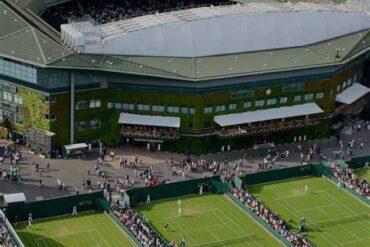
The 2025 Wimbledon Championships, a proud event in the UK’s sporting calendar, recently faced unprecedented chaos due to severe transport disruptions that left fans grappling with cancellations, significant delays, and overcrowding. Paul Kohler, the Member of Parliament for Wimbledon, did not mince words when describing the situation, calling it an “international embarrassment”. This criticism highlights the frustration experienced by thousands of tennis enthusiasts who flocked to SW19 from various corners of the globe only to be met with logistical failures on the London Underground’s District line.
The troubles began during one of the hottest weeks on record for the UK, further exacerbating the already challenging travel conditions. Spectators trying to reach the All England Club faced considerable inconvenience, primarily due to signal failures and a track fire at Southfields station, the nearest station to the venue. It was reported that these issues occurred amidst temperatures soaring above comfortable levels, causing additional discomfort for fans waiting to access the tournament.
Kohler criticized Sadiq Khan, the Mayor of London and chair of Transport for London (TfL), for failing to manage the situation effectively. He emphasized that the contrast between the well-organized nature of the Wimbledon event itself and the chaotic transportation infrastructure was stark. While the All England Club displayed impeccable management, the journey to the event became riddled with problems, leaving attendees feeling frustrated and disappointed. Kohler’s remarks resonated with many, as he expressed sympathy for international visitors who faced these hurdles, labeling the entire ordeal as regrettable and humiliating for a tournament of such prestige.
Wimbledon typically attracts large crowds, with approximately 130,000 visitors expected during its first three days. However, this year’s event revealed a glaring inadequacy in transport services, unable to accommodate the influx of spectators. Kohler pointed out that such disruptions had become all too familiar, suggesting that the chronic issues plaguing the transport system were no longer surprising to Londoners. His call for the Mayor to take decisive action underscored the urgency of addressing these long-standing transport shortcomings, particularly during high-profile events that draw global attention.
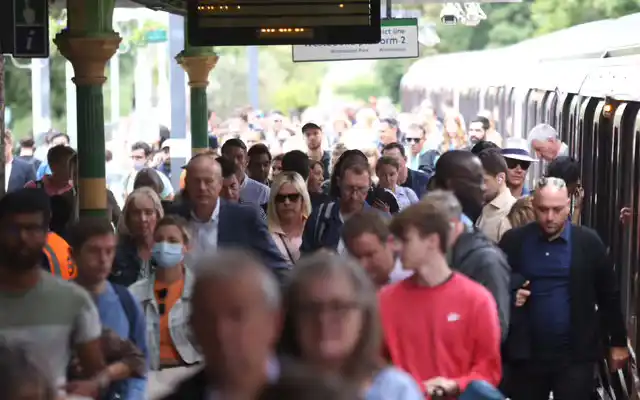
As frustrations mounted, tennis fans voiced their grievances over the overcrowded conditions on the District line. Reports indicated that passengers faced excessive heat and cramped quarters, with many struggling to breathe in the sweltering environment. On one particularly chaotic Thursday, fans like Helen and Alex Kaufmann shared their harrowing experiences. After taking over an hour to travel from West Hampstead to Southfields, they arrived just in time to miss the start of the first match on Court 2. Helen described the scene at Southfields station as extremely congested, noting that the time spent waiting to disembark was nearly as long as their actual journey.
In response to the outcry, TfL issued a public apology on Thursday, acknowledging that only about 75% of scheduled services had been operational during the peak days of the tournament. A spokesperson from TfL, alongside representatives from Network Rail, explained that the disruptions stemmed from two separate track circuit failures—critical components responsible for train location identification within the signalling system. These failures forced signals to default to red, significantly limiting the number of trains that could pass through the affected areas. Moreover, a small fire on the track at Southfields led to temporary service suspensions, compounding the travel woes of fans eager to reach the tennis matches.
While Wimbledon officials refrained from making an official comment regarding the transport issues, a source within the organization hinted at plans for expansion in the future, anticipating an additional 8,000 spectators per day once approved. This potential increase in attendance raises questions about the existing transport infrastructure’s ability to cope with higher volumes of passengers. The source acknowledged that improving transport services would be vital in accommodating any growth, hinting at possible enhancements to the park-and-ride system that could alleviate some of the pressure on public transport.
Local resident Simon Wright, 68, expressed his concerns regarding the capacity of the current transport system, stating that the overcrowding he witnessed at Southfields during the tournament was the worst he had ever encountered. He highlighted the contradiction between Wimbledon organizers advising attendees against arriving by car while TfL admitted it could not provide more trains to meet demand. Wright’s observations painted a bleak picture of the existing transport framework, which seemed ill-equipped to handle the current volume of visitors, let alone any future expansions.
In defense of his transport strategy, a spokesperson for Mayor Khan stated that when network delays occur, TfL works diligently to restore normal service and minimize disruption for travelers. The statement stressed Khan’s commitment to delivering the reliable, world-class public transport that Londoners expect and deserve. However, the reality faced by fans during the Wimbledon Championships suggests that significant improvements are necessary to align the transport system with the expectations set by such a prestigious event.
Ultimately, the Wimbledon experience is not solely defined by the matches played on the courts but also by the ease with which fans can access the event. As London strives to maintain its reputation as a leading host city for major sporting events, addressing transport inadequacies must become a priority. The recent disruptions not only tarnished the enjoyment of countless spectators but also cast a shadow on the city’s ability to effectively manage high-profile international occasions. With the world watching, it is crucial for the authorities to heed the calls for change, ensuring that future tournaments do not suffer the same fate as this year’s Wimbledon, where a proud British sporting event became an unfortunate subject of international ridicule.