Definition
Magnetic dip, also known as dip angle or magnetic inclination, refers to the angle formed between the Earth’s magnetic field lines and the horizontal plane. This angle changes depending on where you are on the Earth’s surface. Positive dip values mean that the magnetic field is tilting downward into the Earth at that point, while negative values indicate an upward tilt.
The Earth’s Magnetic Field
Magnetic dip occurs because magnets naturally align with magnetic field lines. Since these lines aren’t parallel to the Earth’s surface, the north end of a compass needle will point downwards in the northern hemisphere (indicating positive dip) and upwards in the southern hemisphere (indicating negative dip). The dip ranges from -90 degrees at the South Magnetic Pole to +90 degrees at the North Magnetic Pole. Lines where the dip is equal at the surface are called isoclinic lines. The points with zero dip form the magnetic equator, also known as the aclinic line.
Implications for Aviation Operations Near the Magnetic Pole
In a typical gyromagnetic compass system, an aircraft’s magnetic heading is determined by the horizontal component of the magnetic field. This measurement comes from a detector located in the wing tip, away from metallic objects that could distort the magnetic field. As an aircraft approaches the magnetic pole, the horizontal component weakens, making the direction of magnetic north less accurate and reliable. Therefore, planes flying near the magnetic poles often rely on alternative navigation methods, like gyro instruments or GPS.
Erroneous Compass Readings During Turns
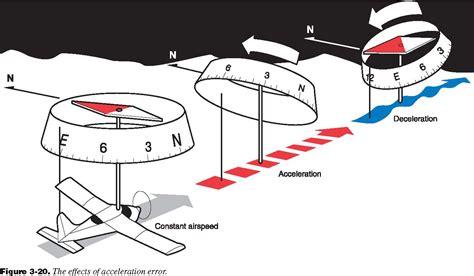
Magnetic dip can lead to incorrect compass readings when an aircraft is in a banked turn. In such situations, the magnetic detector may pick up the vertical component of the magnetic field, resulting in misleading information. To address this issue, many magnetic compass systems feature a ‘turn cut-out’ mechanism. This cuts off the feed from the detector to the compass gyro when the angle of bank exceeds a predetermined limit.