Nestled in the arid stretch of California’s high desert, the Mojave Air and Space Port (FAA Identifier: MHV) is far more than just a landing strip. About 95 miles north of Los Angeles, this site has evolved from a dusty airfield for mining operations to one of the most significant aerospace testing and storage centers in the United States. While the public may know Mojave for its rows of parked jets, its deeper story weaves through military history, commercial innovation, and space exploration.
The Humble Beginnings of Mojave Airport
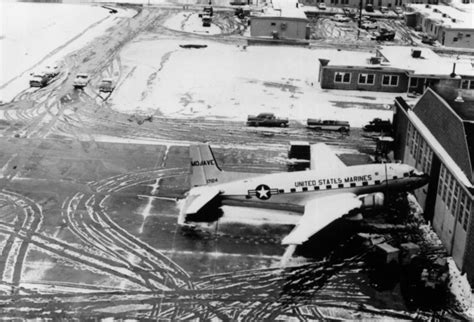
The airport’s story began in 1935 as a small field that supported local gold and silver miners in Kern County. But things quickly changed during World War II, when the U.S. Marine Corps expanded it into the Marine Corps Auxiliary Air Station (MCAAS) Mojave. Here, Navy and Marine pilots trained in aircraft like the SBD Dauntless and the iconic F4U Corsair.
By 1946, the station had transitioned to a U.S. Navy airfield. Then, in 1953, the Marines returned briefly, using it as a secondary field for MCAS El Toro. Finally, in 1961, the county took over. From that point, it began shifting toward civilian use and innovation.
Mojave Today: Aerospace, Storage, and Innovation Hub
Fast forward to today, and the Mojave Air and Space Port hosts over 60 aerospace, industrial, and research companies. Tenants include Virgin Galactic, Scaled Composites, BAE Systems, Orbital ATK, and the National Test Pilot School. These firms push boundaries in reusable spacecraft, wind technology, and heavy rail manufacturing.
The airport sits 2,787 feet above sea level, and its longest runway—12/30—stretches 12,503 feet, wide enough for even the largest jets. In 2004, the FAA officially licensed Mojave as a horizontal launch spaceport, the first of its kind in the U.S. This milestone was highlighted by the launch of SpaceShipOne, marking a major leap in private space travel.
A Unique Role in Airliner Storage and Scrapping
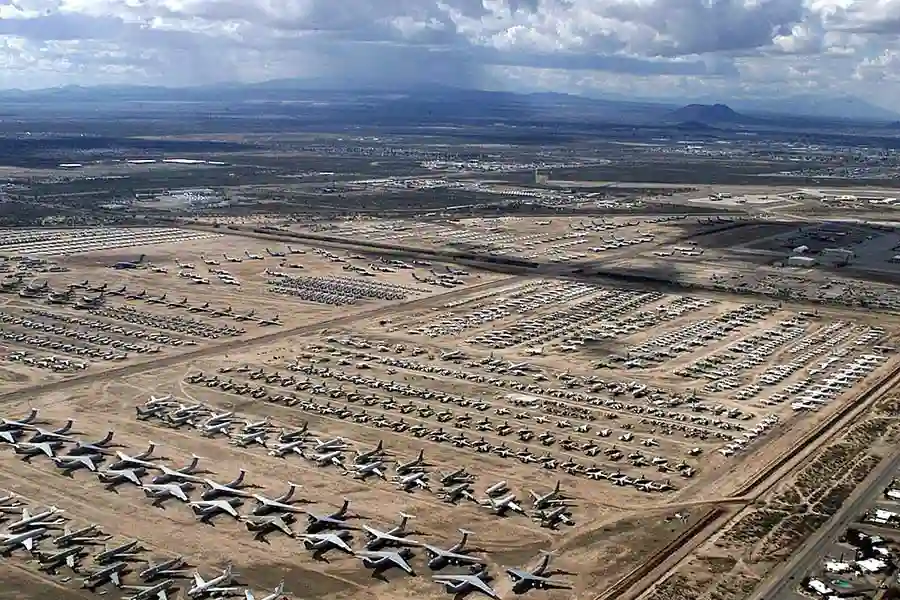
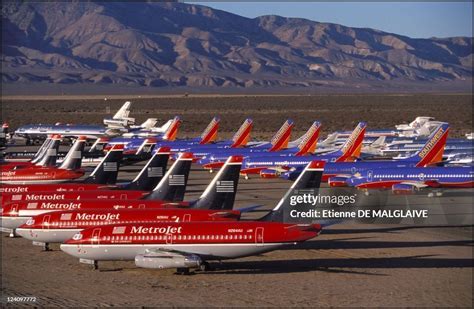
Mojave is also known for its role as a boneyard—a place where retired or temporarily stored aircraft rest. The dry, low-humidity environment slows down corrosion, making it ideal for long-term storage. Planes from Boeing, Airbus, Lockheed, and McDonnell-Douglas often arrive here after their final flights.
Some airliners are scrapped and parted out on site. Others are refurbished and eventually return to the skies. Large carriers like Atlas Air and Southern Air frequently send their aircraft here for storage or reclamation.
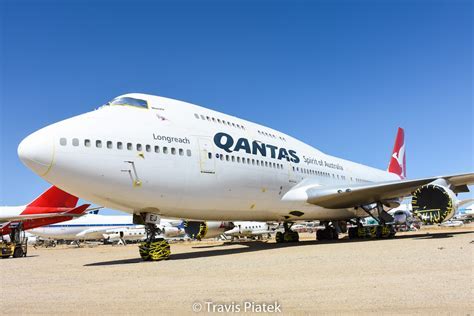
The Last Qantas Boeing 747 at Mojave
During the COVID-19 pandemic in 2020, Qantas Airlines retired much of its long-haul fleet, including the legendary Boeing 747-438(ER) known as “Wunala.” Its final flight, QF7474, took off from Sydney on July 22, 2020, drawing crowds of aviation fans. Piloted by Captain Sharelle Quinn, Qantas’ first female captain, the 17-year-old aircraft made its way to Mojave via LAX, where it now rests among other retired giants.
Mojave’s Unique Community Events and Tours
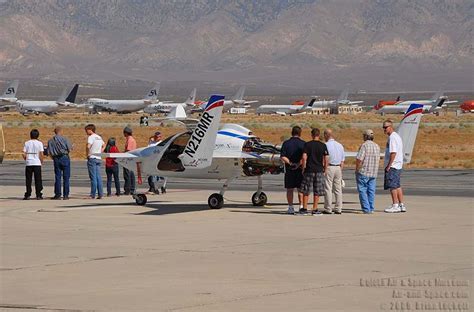
While the Mojave Air and Space Port doesn’t offer regular public tours, it does welcome visitors during “Plane Crazy Saturdays.” These monthly events let aviation fans explore the grounds, view aircraft up close, and sometimes catch special fly-ins. Visitors can also dine at the Voyager Restaurant, located in the old terminal under the retired control tower.
There’s also a virtual driving tour available online, showcasing the site’s most notable locations in nine interactive stops. During official events, visitors are directed to specific viewing zones via Airport Boulevard from Highway 58.
A Desert of Retired Giants: Mojave and Victorville
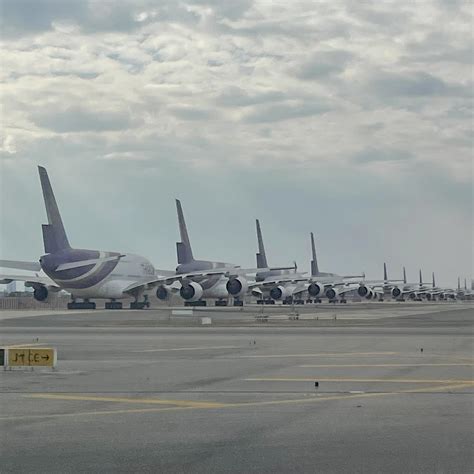
Mojave isn’t alone in this desert storage tradition. About 70 miles southeast lies the Southern California Logistics Airport (SCLA) in Victorville. Built on the former George Air Force Base, this facility also stores commercial aircraft during downturns, including fleets from Qantas, Lufthansa, and more.
Victorville became particularly active during the pandemic, when airlines needed space to park idle A380s and other large jets.
Mojave’s Place in History—and the Future
Mojave’s impact goes well beyond storage. The site continues to serve as a testbed for aviation technology and spaceflight. It’s been featured in major films, launched experimental spacecraft, and stood witness to the aviation world’s changing tides.
From dusty military beginnings to its current role at the frontier of aerospace innovation, the Mojave Air and Space Port remains a fascinating, evolving hub of flight history and future exploration.
For more details, visit the official Mojave Air and Space Port website or contact the East Kern Airport District.