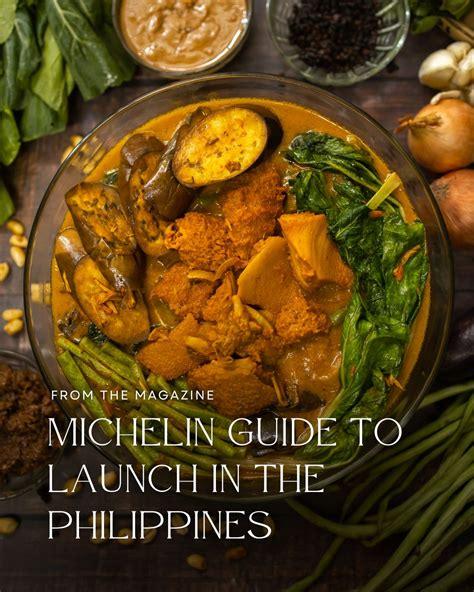
The Philippines is on the verge of a gastronomic renaissance, poised to establish itself as a premier culinary destination on the global stage. With the impending arrival of the Michelin Guide in 2026, featuring the vibrant food scenes of Manila and Cebu, the country is preparing to showcase its rich and diverse culinary heritage to food enthusiasts around the world. This momentous occasion not only signifies global recognition but also aligns with the Department of Tourism’s (DOT) commitment to elevate Filipino gastronomy, fostering pride and sustainability within local communities.
The much-anticipated launch of the Michelin Guide is set to spotlight the culinary treasures of the Philippines, which include not only the bustling urban landscapes of Manila and Cebu but also the gastronomic gems found in neighboring regions like Pampanga, Tagaytay, and Cavite. These areas are renowned for their rich culinary traditions and unique flavors that tell the story of the Philippine culture. DOT Secretary Cristina Pala-ing Frasco expressed her enthusiasm for this development, stating, “Gastronomy is included in our national tourism plan. Filipino food is the expression of our identity, culture, and lifestyle. North to south, every region has its own food story to share.”
As the Michelin Guide prepares to map out the best culinary experiences in the Philippines, it does so in conjunction with the national tourism strategy aimed at promoting sustainable practices while preserving the nation’s food culture. This strategic approach positions the Philippines as a leading hub for food tourism, emphasizing the importance of gastronomy not just as a means of sustenance but as a cultural narrative that enriches the travel experience.

The National Tourism Development Plan: Gastronomy at Its Core
The National Tourism Development Plan 2023-2028, ratified early in the Marcos administration, recognizes gastronomy as a fundamental pillar of the country’s tourism growth. By harnessing the potential of Filipino food, the DOT aims to invigorate local economies, support small businesses, and promote environmental stewardship through responsible tourism practices. The focus on food tourism serves as a vital link between tourists and the cultural essence of the Philippines, ensuring that every region’s unique culinary identity is celebrated.
In the backdrop of this ambitious plan, the Philippines has garnered significant international accolades. In 2023, Iloilo City was designated a UNESCO Creative City of Gastronomy, a testament to its vibrant food culture and rich historical influences. This prestigious recognition is complemented by Angeles City in Pampanga receiving the title of Asia’s Best Emerging Culinary City Destination 2024 from the World Culinary Awards. Such honors firmly place the Philippines on the global gastronomic map, showcasing its potential as a culinary powerhouse in Southeast Asia and beyond.
Global Recognition and Culinary Events
The momentum surrounding Philippine gastronomy has been bolstered by various international events. In June 2024, Cebu hosted a major forum that attracted over 600 delegates from more than 40 countries, emphasizing gastronomy tourism as a vehicle for sustainable community development. This gathering showcased Filipino chefs who demonstrated their culinary techniques, fostering a collaborative environment where ideas flourished. This led to the adoption of the Cebu Call to Action on Gastronomy Tourism, a framework designed to stimulate investment in food tourism, empower local communities, and ensure long-term sustainability in culinary practices.
Secretary Frasco highlighted the significance of this forum, stating that it not only showcased Filipino cuisine but also laid the groundwork for global collaboration aimed at advancing sustainable food production and consumption practices. This initiative underscores the Philippines’ potential to lead in gastronomy tourism, driving economic growth while preserving its rich culinary heritage.
The Philippine Eatsperience: Celebrating Local Flavors
To further enhance its culinary landscape, the DOT launched the “Philippine Eatsperience” program, a year-long celebration that commenced in March 2025. This initiative features over 45 local food vendors in iconic locations like Intramuros and Rizal Park, offering a taste of regional delicacies and authentic Filipino dishes. Popular offerings such as lechon, adobo, and sinigang have become crowd favorites, drawing both locals and tourists alike. The festival has successfully created an engaging atmosphere where visitors can immerse themselves in Filipino food culture while simultaneously supporting local enterprises.
The Philippine Eatsperience has proven to be particularly popular on weekends and during special holidays, establishing itself as a must-visit event for anyone wishing to explore the rich tapestry of Filipino cuisine. This initiative aligns perfectly with the DOT’s goal of placing food at the forefront of tourism, allowing both tourists and natives to savor local flavors and discover new culinary delights.
Strategic Roadmap for Food and Gastronomy Tourism
On May 28, 2025, the DOT unveiled the Strategic Framework and Roadmap on Food and Gastronomy Tourism, serving as a comprehensive guide for stakeholders involved in the tourism industry. This framework encourages the rediscovery of local markets, documentation of unique regional dishes, and the creation of specialized tour circuits that highlight the country’s premier food destinations. By transforming traditional public markets into vibrant tourism hubs, the DOT aims to create sustainable income sources for local communities while empowering food producers.
In addition to these initiatives, the DOT has collaborated with celebrated Filipino chefs and food authors to release the third edition of Kulinarya: A Guide to Philippine Cuisine. Initially published in 2008, this updated version provides insights into the diverse kitchen cultures across the archipelago, featuring new recipes and perspectives on contemporary Filipino cuisine. It serves as an essential reference for both local and international audiences, solidifying the Philippines’ reputation as a center of culinary excellence.
Conclusion: A Culinary Destination on the Rise
The Philippines is rapidly emerging as a global gastronomic hub, with the DOT’s concerted efforts to promote Filipino cuisine gaining significant traction. The anticipated launch of the Michelin Guide, alongside UNESCO recognition and various culinary tourism initiatives, positions the nation as a destination of choice for food lovers worldwide. As government efforts continue to advance gastronomy tourism, the Philippines is poised to experience sustained economic growth, renewed national pride, and a prominent place in the global culinary arena. With its rich food culture, diverse regional tastes, and commitment to sustainability, the Philippines is not only preserving its culinary heritage but also sharing it with the world, making it an exciting destination for culinary exploration.