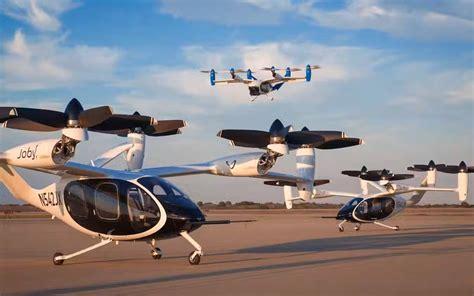
A powered-lift aircraft is designed for vertical takeoff, vertical landing, and low-speed flight. This innovative category was introduced by the U.S. Federal Aviation Administration (FAA). Powered-lift aircraft combine features of both airplanes and helicopters. They have various applications, including air taxis, cargo delivery, air ambulances, and operations in both rural and urban settings.
The introduction of powered-lift aircraft marks the first new category of civil aircraft established by the FAA since helicopters were recognized in the 1940s. According to the FAA, these aircraft are part of advanced air mobility (AAM) and are generally highly automated, electrically powered, and capable of vertical takeoff and landing. The FAA has determined that it can certify powered-lift aircraft under existing regulations, while also updating some rules to allow commercial use of air taxis. A new pilot-training and qualifications rule was deemed necessary, as the current regulations did not cater to this new type of aircraft. This final rule was published in October 2024 and addresses operational requirements like minimum safe altitudes and visibility. The FAA states that this rule tackles the unique challenges of integrating a hybrid aircraft category, such as training pilots for flying vehicles that blend characteristics of both helicopters and airplanes.
Safety is a significant consideration when it comes to powered-lift aircraft. One of the most critical phases of flight is transitioning from vertical takeoff to horizontal flight. Experts point out that this phase carries the highest risk due to changes in configuration, aerodynamics, flight dynamics, and mechanical issues. Given these engineering complexities, regulators expect extensive flight testing. A draft FAA advisory circular mentions that many powered-lift aircraft feature sophisticated, integrated designs with distributed propulsion systems. These complexities make traditional definitions for function and reliability testing inadequate. The FAA anticipates that powered-lift aircraft will require at least 300 hours of operation as a baseline for thorough evaluation.
Training and certification processes for powered-lift pilots will also undergo changes under the Special Federal Aviation Regulation (SFAR). The new rule allows pilots to train using a single set of flight controls, a shift from previous requirements for two sets: one for the student and one for the instructor. The FAA has outlined three training options using single flight controls: a shared control setup for both student and instructor, increased use of simulators for solo flight preparation, and deviation authority for future technical advancements. Due to the distinct features of powered-lift aircraft, each will necessitate a specific type rating. The FAA describes the SFAR as a “performance-based regulation,” meaning it outlines measurable outcomes without dictating specific methods to achieve them. This approach aims to adapt to rapidly evolving design and manufacturing processes more flexibly. For instance, powered-lift aircraft that can autorotate or perform an approved equivalent maneuver may meet the minimum safe altitudes set for helicopters.