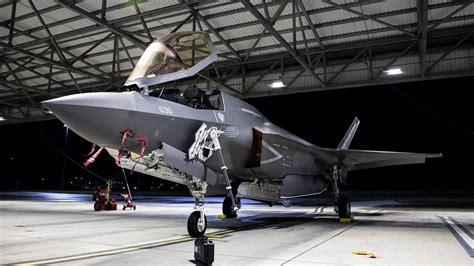
The UK’s most ambitious and technologically advanced air combat programme—the F-35B Lightning II stealth jet—has delivered a “disappointing return” on the £11 billion invested so far, according to a scathing new report from the National Audit Office (NAO). The findings cast a shadow over the Royal Air Force’s (RAF) future air superiority ambitions and raise serious questions about the Ministry of Defence’s (MoD) ability to deliver complex, multi-billion-pound defence programmes effectively.
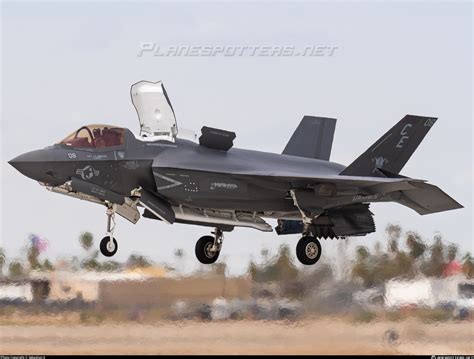
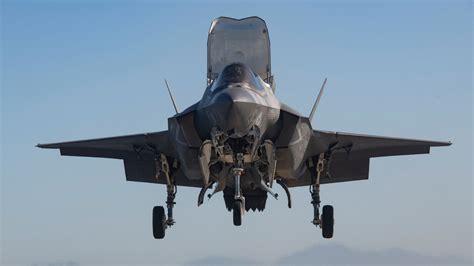
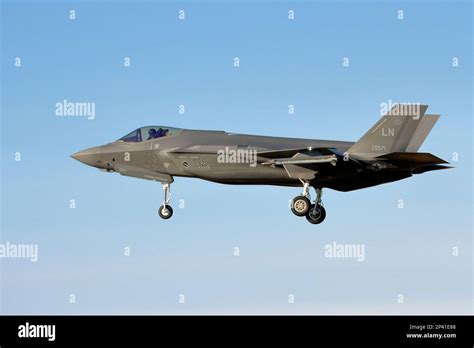
The F-35B, capable of vertical take-off and landing, is the centrepiece of Britain’s future air combat capability. With a lifetime programme cost projected to reach £71 billion by 2069, the UK plans to acquire a total of 138 aircraft. However, only 37 jets are currently in service, and persistent challenges—including severe personnel shortages, maintenance delays, and underwhelming mission availability—have significantly undermined the platform’s operational impact.
Mounting Delays, Budget Pressures and Operational Gaps
The NAO report outlines an accumulation of delays and systemic shortfalls, not only stemming from global supply chain issues but also from MoD’s own affordability decisions. These constraints have slowed delivery and hindered the full activation of essential support infrastructure. Although the programme has not technically breached its approved budget, the return on investment is far below expectations established when the business case was first approved in 2013.
The mission capable rate—a measure of whether the aircraft can complete at least one of its seven designed missions—was found to be approximately half of the MoD’s stated target. Even more concerning, the full mission capable rate, indicating whether the jet can carry out all required missions, hovers at only one-third of the projected capability.
Due to security classifications, the NAO declined to reveal specific operational figures, but the implication is clear: the UK’s F-35 fleet is not yet reliably deployable in its full role across either the RAF or the Royal Navy’s carrier strike group.
Engineering and Personnel Shortages Cripple Readiness
One of the most alarming takeaways from the NAO’s analysis is the serious shortage of qualified personnel—including both pilots and ground engineers. These gaps have directly impeded the MoD’s ability to meet its flying hours requirements, leaving many pilots undertrained or reliant on simulations rather than live operational sorties.
The F-35 force, which includes maintenance and mission planning personnel, is operating below critical staffing levels, with the report citing “serious gaps in engineering roles”. This is especially problematic considering the sophisticated and maintenance-intensive nature of fifth-generation stealth aircraft, which require specialised training and continuous system support.
Industrial Benefits and UK Contribution to Global Programme
Despite its operational drawbacks, the programme has brought economic advantages. The UK contributes roughly 15% by value of each F-35 airframe, supplying components such as lift fans, avionics, and wing structures. As a result, British firms have received approximately £22 billion in contracts, supporting over 20,000 jobs in the aerospace sector.
This industrial participation was one of the central justifications for the UK’s early buy-in to the US-led Joint Strike Fighter (JSF) initiative. Companies such as BAE Systems, Rolls-Royce, and Leonardo UK are key suppliers and have leveraged F-35-related investments into broader technology advancements.
Yet the NAO warns that industrial success does not equate to operational success, especially when the end-user—the armed forces—cannot fully utilise or deploy the assets procured under the programme.
Nuclear Capability and Strategic Realignment
In a significant shift in procurement strategy, the UK recently announced plans to acquire 12 F-35A aircraft—a conventional take-off and landing variant capable of carrying nuclear weapons. While these jets cannot operate from the Royal Navy’s aircraft carriers, they are intended to support NATO’s dual-capable aircraft (DCA) nuclear deterrence role, a mission historically fulfilled by other allies.
This move, according to defence analysts, represents a strategic diversification of the UK’s air strike capability. However, it also complicates training, logistics, and basing infrastructure, as the A and B variants of the F-35 require different support systems.
HMS Prince of Wales and Carrier Strike Capability
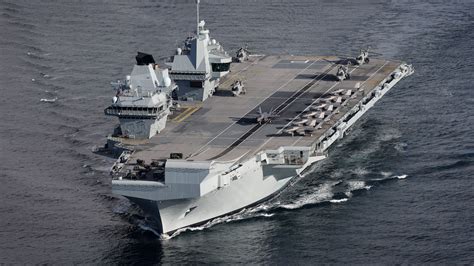
The F-35B’s compatibility with the Royal Navy’s flagship aircraft carriers, HMS Queen Elizabeth and HMS Prince of Wales, is a crucial feature of the UK’s maritime strike doctrine. Yet, NAO findings suggest that limited aircraft availability and system delays have constrained the carrier air wing’s full operational potential.
Recent exercises have demonstrated the ship-air integration, but only on a fraction of the intended scale. With fewer than 40 aircraft in service—and many of those undergoing maintenance or upgrades—it is not currently feasible to maintain a full complement of jets on deployment. The situation is not expected to improve dramatically until well into the 2030s, by which time the platform may already be showing signs of obsolescence against evolving threats.
Ministry of Defence Response: A Balanced Defence?
In response to the NAO’s criticisms, the MoD reaffirmed the programme’s “world-class capabilities”, highlighting the strategic importance of stealth, sensor fusion, and networked warfare enabled by the F-35. A spokesperson stated that the UK would have two fully deployable squadrons of F-35B jets by the end of 2025 and that all 48 aircraft in the initial tranche would be delivered by April 2026.
They also emphasised the positive impact on British industry, and reiterated plans to buy 12 additional F-35As, thereby enhancing interoperability within NATO frameworks.
“The National Audit Office’s report rightly recognises the world-class capabilities of the F-35 fighter jet, as well as its significant economic benefits – including £22 billion of work for UK companies, creating thousands of jobs,” the MoD said in its official statement.
Looking Ahead: Lessons for Future Combat Air Programmes
The RAF’s F-35 programme, while technologically impressive, is a cautionary tale for the UK’s future defence procurement—especially with Tempest, the sixth-generation fighter initiative, already in its early development phase.
Critics argue that over-reliance on US-led defence projects, paired with inconsistent national funding and workforce planning, has hampered Britain’s sovereign air power ambitions. Others contend that while the F-35’s combat potential is unquestionable, the UK must prioritise readiness, sustainability, and operational sovereignty if future air combat capabilities are to avoid similar pitfalls.
For now, the RAF remains dependent on a platform that, according to its own auditors, is not yet capable of delivering the full spectrum of combat operations it was designed for. Unless decisive corrective actions are taken—ranging from increased investment in support personnel to better alignment with industrial output—the F-35 may remain more of a financial achievement than a fighting one.
The legacy of the UK’s F-35 Lightning II programme will depend not just on how many jets are delivered, but on how effectively they can be flown, maintained, and deployed—a challenge that continues to test the very foundations of British defence strategy.