The Sheesh Mahal, a majestic Mughal-era palace nestled in Shalimar Bagh, Delhi, has finally reopened its doors to the public after being closed for over 370 years. Officially rededicated on July 2, 2025, this stunning architectural gem was once a private retreat for Emperor Shah Jahan, known for its exquisite Mughal architecture, beautifully restored gardens, and rich cultural history. The restoration project was a collaborative effort between the Archaeological Survey of India (ASI) and the Delhi Development Authority (DDA), which transformed the palace into a symbol of India’s cultural heritage, showcasing the grandeur of the Mughal Empire.
The Sheesh Mahal is a captivating example of Mughal architecture, featuring intricate sandstone structures, ornate designs, and meticulously landscaped gardens. As visitors step into the palace grounds, they are transported back to the opulent era of the Mughals, where every corner tells a story of luxury and artistry. This remarkable restoration showcases the dedication to preserving history, allowing tourists to experience the architectural splendor that once defined the royal lifestyle of the Mughal emperors.
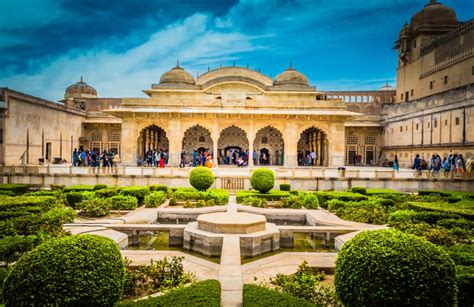
Restoration of the Sheesh Mahal was a meticulous process that involved skilled craftsmanship and traditional building techniques. The teams from ASI and DDA worked tirelessly to recreate the architectural ambiance reminiscent of the 17th century. They utilized original Mughal construction methods, incorporating materials such as lime surkhi (a mixture of lime mortar and brick dust), lakhauri bricks (narrow flat bricks typical of Mughal architecture), and natural binding agents like jaggery, bael fruit, and urad dal paste. This painstaking attention to detail has resulted in a palace that stands today as a testament to the incredible artistry of Mughal builders, allowing visitors to glimpse the past in all its grandeur.
One of the highlights of the newly renovated Sheesh Mahal is its landscaped gardens, which play an integral role in the overall experience of the palace. These gardens are not merely decorative; they are designed to evoke a sense of tranquility and connection with nature. Visitors can wander through pathways lined with variegated greenery, ornamental fountains, and running water, creating a soothing tableau that invites relaxation and reflection. The gardens serve as an ideal backdrop for those wishing to immerse themselves in the serene atmosphere of the palace.
For literary enthusiasts, the Readers’ Café Corner at Sheesh Mahal offers a cozy haven for book lovers. This inviting space allows guests to unwind with a good book while enjoying picturesque views of the beautiful gardens. Whether indulging in a novel or simply soaking in the ambiance, the café provides a unique experience that complements the historical richness of the palace.
Additionally, the Café Shalimar offers a delightful dining experience, designed to be both comforting and visually appealing. With a stunning view of the gardens, this café is perfect for enjoying a meal while basking in the beauty of the surroundings. The blend of Mughal architecture with modern comforts makes it an essential stop for anyone eager to explore the cultural wealth of Delhi.
Visiting Sheesh Mahal is an experience that transcends mere sightseeing. Open daily from 11 AM to 9 PM, including weekends and holidays, the palace welcomes visitors who wish to explore its grandeur. The best times to visit are early morning or late afternoon when the climate is pleasant, and sunlight enhances the beauty of the gardens and the Mughal architecture. Centrally located within Shalimar Bagh District Park, Sheesh Mahal is easily accessible from various parts of Delhi. Nearby metro stations, such as Shalimar Bagh, Jahangirpuri, and Haiderpur Badli Mor, are within walking distance, making it convenient for both residents and tourists alike.
A trip to Sheesh Mahal provides a fantastic opportunity to delve into the rich cultural and historical tapestry of Delhi. While exploring the beautifully restored palace and its gardens, visitors should also consider taking a leisurely stroll through the adjacent Shalimar Bagh locality. Renowned for its peaceful ambiance, this area is a favorite for morning walks and picnics, offering a respite from the hustle and bustle of city life. The lush greenery and tranquility of Shalimar Bagh create the perfect setting for relaxation and exploration.
After visiting Sheesh Mahal, tourists can continue their journey by exploring other iconic attractions in Delhi, such as the Red Fort, Humayun’s Tomb, and India Gate. The city, rich in history and modern vibrancy, offers something for every type of traveler, making it an ideal destination for both history buffs and casual explorers alike.
The reopening of Sheesh Mahal not only provides a glimpse into Delhi’s rich Mughal culture but also revives the legacy of the Mughal era. This grand palace, once a royal getaway, has been restored to its former glory, becoming a treasure for visitors from near and far. For architecture aficionados, historians, or anyone seeking a cultural experience, Sheesh Mahal promises an unforgettable journey into the opulent world of the Mughal emperors.
With its stunning design, lush gardens, and rich history, Sheesh Mahal stands as one of Delhi’s most remarkable historical monuments. Its restoration is a significant achievement, breathing new life into a structure that embodies the magnificence of the Mughal era. The palace’s elegant sandstone structures, ornate arches, and beautifully landscaped gardens are now a testament to the architectural prowess of a bygone age. Visitors will find themselves captivated by the beauty of Sheesh Mahal, a place where history, art, and nature converge harmoniously, offering a unique experience that enchants all who enter its gates.