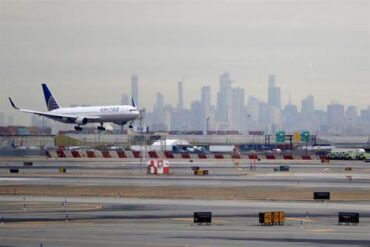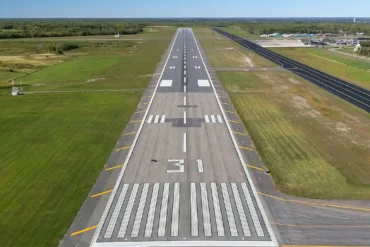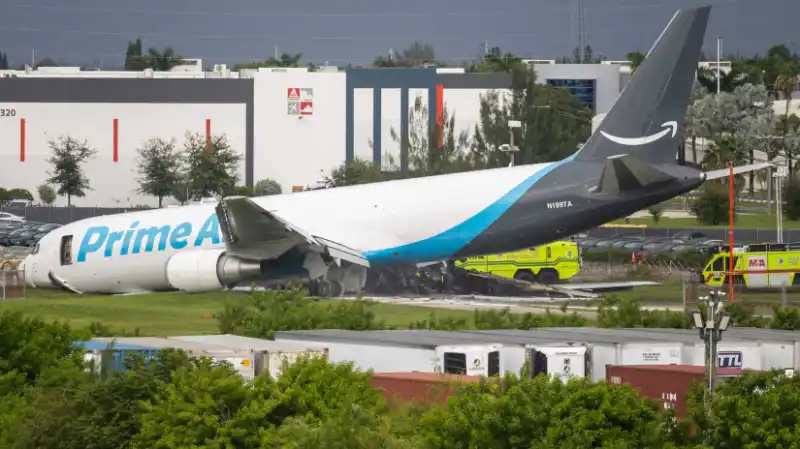
Miami International Airport has fully reopened Runway 8R/26L after recovery crews moved the wreckage of the Amazon Air Boeing 767 involved in the fatal 21 Air Flight 7598 runway overrun. The reopening restores the runway to both operating directions after it had been restricted to eastbound departures because the damaged freighter remained close to the runway’s westbound flight path. The development allows Miami International Airport (MIA) to return three of its four runways to normal service, although the runway directly involved in the accident remains closed while inspections, repairs and investigative work continue.
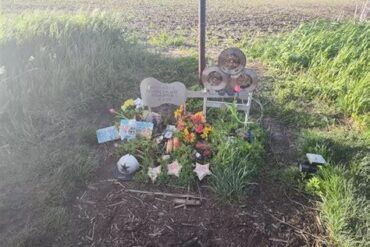
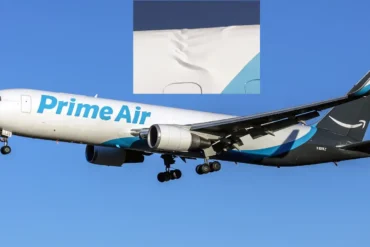
The accident occurred on September 6 when the Boeing 767-33A freighter, operated by 21 Air for Amazon Prime Air, overran Runway 30 during landing. The aircraft continued beyond the paved surface and ultimately came to rest about 1,300 feet beyond the runway, after striking vehicles near Northwest 67th Avenue. Five people on the ground were killed, while several others were injured. The pilots survived the crash, and the National Transportation Safety Board (NTSB) launched a major investigation into the circumstances surrounding the runway excursion.
The position of the wreckage created an unusual operational problem for MIA because the destroyed 767 was not sitting on Runway 8R/26L itself. However, its tall tail and remaining structure extended high enough near the edge of the adjacent runway’s operational area to create a serious obstacle for aircraft arriving from the west or departing westbound. Eastbound departures could continue because aircraft were climbing away from the wreckage, but the opposite direction could not safely resume while investigators and recovery personnel were working around the aircraft.
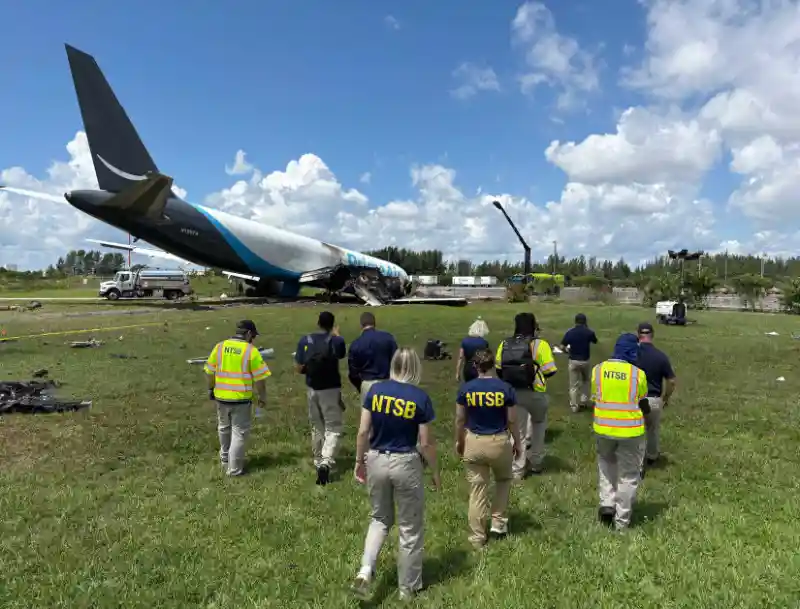
Boeing 767 Wreckage Removed From Miami Airport Crash Site
The major recovery operation took place on Tuesday, September 15, when specialized heavy equipment was used to move the more than 412,000-pound Boeing 767 away from the crash area. Crews pushed and pulled the damaged freighter along the airport perimeter and transported it to a nearby open lot, clearing the critical area beside Runway 8R/26L. Local reporting showed that the operation required substantial equipment because the aircraft remained a massive and heavily damaged structure even after the fire and impact.
Once the aircraft had been moved, airport authorities could remove the restriction affecting Runway 8R/26L. The runway had already been available for eastbound departures, but the recovery operation meant aircraft could not safely use the full runway in both directions. Its complete reopening therefore represents an important operational milestone for MIA, particularly because the airport is one of the busiest aviation gateways in South Florida and relies on multiple runways to manage a large volume of passenger and cargo traffic.
The runway itself did not suffer the type of direct physical damage seen on Runway 12/30, where the accident occurred. The Boeing 767 never struck the pavement of Runway 8R/26L, meaning investigators and airport crews did not have to repair deep tire marks, destroyed runway lighting or damaged electrical infrastructure there. Instead, the principal restriction was caused by the aircraft’s position and the safety requirements surrounding the crash investigation.
Runway 12/30 Remains Closed After Flight 7598 Overrun
The situation remains very different on Runway 12/30. The runway was the location of the accident sequence and sustained substantial damage when Flight 7598 left the paved surface at high speed. The aircraft left severe tire marks on the pavement before crossing the runway end and destroying approach lights, centerline lighting and underground electrical conduits. The aircraft also damaged the airport perimeter fence before continuing toward the public roadway.
The NTSB is still examining the accident, and investigators have already recovered and successfully read both the cockpit voice recorder and flight data recorder. The agency said the flight data recorder contained approximately 54 hours of information and more than 400 recorded parameters, while the cockpit voice recorder contained more than two hours of audio across four channels. Those recordings are expected to help investigators reconstruct the crew’s actions, aircraft performance and decisions during the landing.
What the NTSB Has Learned About the Boeing 767 Landing
Preliminary NTSB information indicates that the aircraft touched down at a high speed and that the pilots considered a go-around after touchdown. Flight data showed an increase in thrust consistent with an attempted go-around, followed by a reduction back toward idle and renewed braking. Investigators also noted that the aircraft’s speed brakes and thrust reversers were not deployed during the landing sequence. These findings are preliminary and remain subject to change as the investigation develops.
The aircraft’s final position, approximately 1,300 feet beyond the runway, illustrates how quickly a runway overrun involving a large widebody freighter can develop into a major airport emergency. A Boeing 767 carries enormous kinetic energy when moving at landing speed, and once the aircraft passes the usable runway surface, the available distance for stopping becomes extremely limited.
Miami Airport’s Runway Safety Area and EMAS Question
The accident has also renewed attention on the absence of an Engineered Material Arresting System (EMAS) at Miami International Airport. MIA uses a conventional runway safety area beyond the runway rather than an EMAS installation. EMAS systems use specially engineered crushable blocks designed to absorb an aircraft’s energy and rapidly reduce its speed during an overrun.
The technology has been used at airports around the United States to provide an additional layer of protection where available stopping distance is constrained. However, whether an EMAS installation at MIA would have prevented the Flight 7598 tragedy cannot be established from the available evidence. That question would require detailed analysis of the aircraft’s speed, touchdown point, braking performance, terrain and the specific characteristics of a hypothetical arresting system.
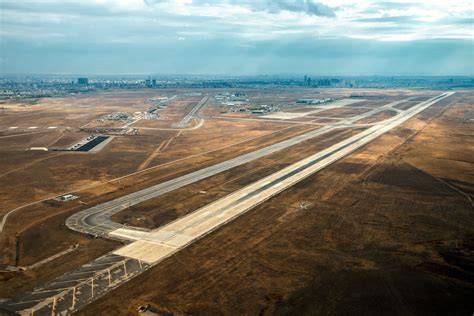
For now, the immediate operational picture is clearer. Runway 8R/26L is back to full service, while Runway 12/30 remains unavailable for inspection and repairs. The reopening of the third runway allows MIA to regain more of its normal capacity, but the airport’s recovery from the September 6 accident is not yet complete. Meanwhile, the NTSB investigation continues, with recorder data, cockpit communications, aircraft performance and crew decision-making all forming part of the effort to determine exactly why the Boeing 767 left the runway and how the accident unfolded.