The travel world is experiencing a structural shift that is transforming the very meaning of comfort, luxury and value. The divide between premium and budget experiences is widening faster than many travelers realize, expanding far beyond the traditional markers of a lie-flat seat or a larger hotel suite. The change now begins the moment a customer steps into an airport terminal, opens a credit card app, or even considers where and how to spend their travel dollars. What used to be a linear spectrum has become a stark split, driven by a combination of aggressive premiumization strategies, evolving consumer psychology and a booming appetite among high-spending travelers who want not just convenience, but elevation.
This is no longer a simple story about expensive seats and cheaper ones. It is the rewriting of the travel experience from the ground up.
At airports like New York’s JFK, the contrast is practically theatrical. Delta Air Lines’ private Delta One lobby provides an insulated and quiet pre-security oasis stocked with refreshments and exceptional service before customers glide into a semi-private checkpoint reserved exclusively for premium flyers. A balcony at the entry of the 40,000-square-foot Delta One Lounge even frames a symbolic overlook: premium travelers gaze upon the crowds below, navigating long queues, overpriced water bottles and the familiar stress of mass travel.
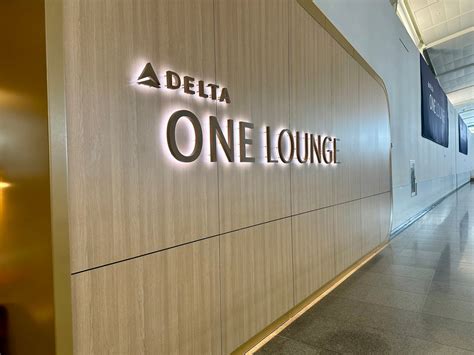
That viewpoint captures a defining truth about the industry: two travel worlds now operate in parallel, one designed for high spenders who seek frictionless luxury and one that remains rooted in the hustle, squeeze and compromise of traditional mass transit. The two are drifting further apart, and the trend is accelerating.
Premiumization Takes Center Stage Across the Industry
A key force behind this widening gap is the sharp strategic pivot by credit card issuers, airlines and hotels toward travelers who are willing to pay a premium — and in many cases, pay increasingly eye-watering amounts. American Express and Chase have led the push by raising annual fees on their flagship products to unprecedented levels. The American Express Platinum Card now costs $895, while the Chase Sapphire Reserve carries a $795 annual fee after its latest hike. On average, premium card fees have surged 22% since 2023.
Yet the added cost buys entrée into a lifestyle category that never existed at this scale before: annual credits for high-end restaurants, exclusive digital subscriptions, luxury retail perks, and, most notably, access to elite airport lounges that offer a remarkably elevated pre-flight experience.
Travelers who choose not to commit to these high-fee cards, meanwhile, see little change. Many mid-tier airline cards offer nearly the same benefits they did a decade ago — a reminder of the lopsided innovation cycle that now dominates the travel financial ecosystem.
Airlines Race to Monetize Every Inch of the Cabin
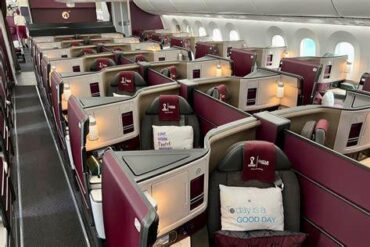
Airlines across the world are aggressively restructuring their cabins to maximize revenue from premium customers. United Airlines plans to introduce its new Elevated cabin on the Boeing 787-9 Dreamliner, an aircraft that will feature 99 premium seats, including ultra-luxurious Polaris Studios complete with elevated dining that includes caviar service.
Air France has launched what may be the most decadent seat flying between Europe and the U.S.: the La Premiere suite. With a chaise lounge, expansive entertainment system and endless Champagne, the cabin sets a new benchmark for indulgence. Meanwhile, ANA is preparing a successor to its highly acclaimed “The Room” suites, and American Airlines’ new Flagship Suites have already redefined the domestic premium product landscape.
Behind these developments is a clear economic logic. Airlines are seeing unrelenting demand for high-end cabins well beyond the pandemic “revenge travel” period. Millennials and Gen Z travelers, shaped by an experience-first mindset, are driving much of this appetite. As Arizona State University’s Alexander Hill notes, the same mentality that fuels spending on luxury concerts or premium credit cards transfers easily into purchasing elevated air travel.
Modest Changes in Economy Reveal a Growing Imbalance
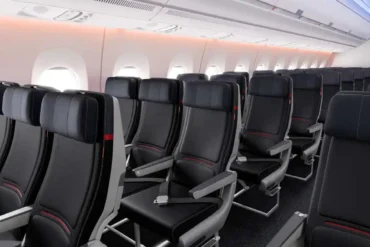
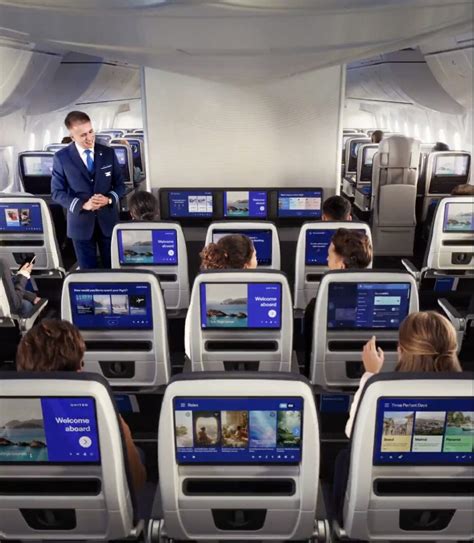
While premium cabins continue their transformative technological and aesthetic evolution, the experience in economy remains largely familiar. Improvements tend to center on free Wi-Fi, strong seatback entertainment and faster streaming — conveniences that matter, but that do little to shift the overall dynamic. The seats remain narrow, legroom remains tight and onboard service continues to operate under the same constraints as years past.
This stagnation in economy becomes even more pronounced when contrasted with the rapid evolution in business, first class and premium economy. The imbalance of innovation widens the perceived gap between the two ends of the aircraft, reinforcing the reality that premium travelers now occupy a dramatically different travel universe.
The Market Is Polarizing — and the Middle Is Shrinking
Industry analysts increasingly expect the travel market to polarize into luxury and value categories. Duke University professor Tong Guo predicts continued contraction of the mid-tier segment as airlines and credit card issuers concentrate their innovations and investments into the high-profit luxury customer base. This echoes broader consumer market trends in the post-pandemic era, where premium and budget categories flourish while the middle becomes anemic.
In the airline space, even carriers historically defined by strict budget operations are now embracing premiumization. Frontier Airlines plans to introduce first-class seating, JetBlue is preparing to open its first lounge and Southwest Airlines is actively exploring more spacious, upgraded offerings. Some of Southwest’s aircraft already feature extra-legroom sections that mark a quiet but meaningful shift toward more differentiated pricing.
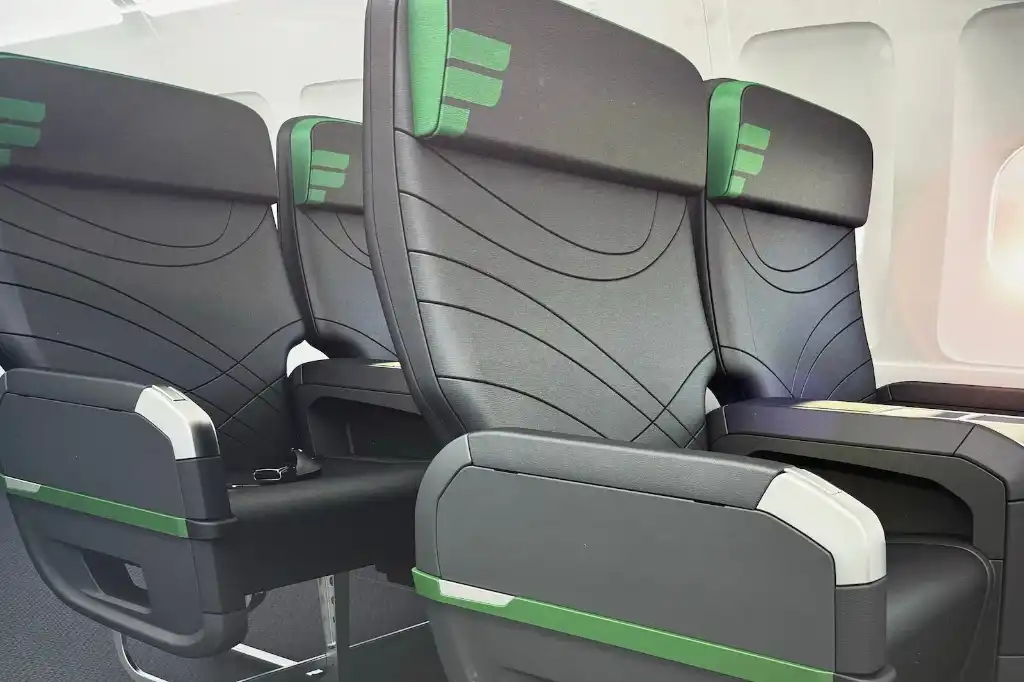
These moves underscore a universal recognition within the industry: premium sells.
The Ripple Effect: Will More Premium Seats Lead to Higher Fares for Everyone?
As airlines expand premium seating, there is a growing concern among economists that economy fares may eventually rise. More premium seats mean fewer standard ones, and as capacity shrinks, base prices can creep upward. While the current market has seen historically low inflation-adjusted fares in economy thanks to robust flight supply, that balance may shift as airlines tinker further with cabin configurations.
The challenge for travelers is to navigate this evolving reality without sacrificing comfort or financial prudence. Fortunately, opportunities remain.
Strategies Travelers Can Use to Offset the Growing Disparity
The most reliable way for travelers to reclaim value in this environment is through flexible, transferable reward points. By leveraging credit card ecosystems that offer transfers to international airline partners, travelers can find redemption sweet spots — premium cabins for significantly fewer points than domestic programs require. These opportunities often remain hidden to the casual traveler, yet they unlock extraordinary value when used strategically.
Elite status, once anchored in actual flying, has become increasingly tied to credit card spending. Travelers can climb the status ladder through everyday purchases, unlocking extras such as priority boarding, extra-legroom seats and complimentary luggage. These perks do not replicate the serenity of a lie-flat suite but meaningfully buffer the discomfort of economy travel.
Meanwhile, the rise of pseudo-premium options on low-cost carriers adds a new dimension. Flying in the front row of a budget airline — now with first-class-style seats — may offer a surprising blend of comfort and affordability.
A Tale of Two Realities That Will Continue to Diverge
For now, the industry remains in a curious equilibrium. Economy fares are low, premium demand is soaring and airlines are doubling down on carrots for their most profitable passengers. Delta alone expects $8 billion from its American Express partnership this year — a windfall that accelerates its premium expansion strategy.
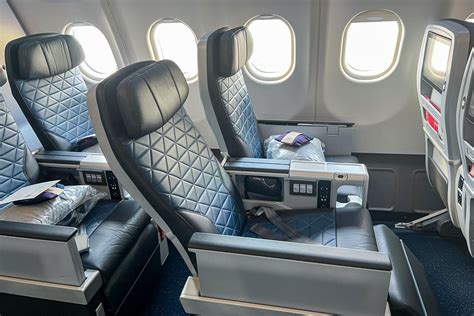
Delta executives state explicitly that they are increasing the percentage of premium seats and have no plans to slow down. The direction is clear: more luxury, more exclusivity and more segmentation.
That trajectory suggests a future in which the distance — not just the price distance, but the experiential and psychological distance — between premium and budget travel becomes increasingly pronounced. For high-spending travelers, this means a golden age of luxury, ease and indulgence. For budget-oriented travelers, it means adapting to a system that is innovating unevenly and occasionally tilting out of balance.
Travel, in other words, is evolving into two distinct narratives, each shaped by its own expectations, rewards and compromises. Understanding that divide will be essential to navigating the next era of global movement. The next several years will not merely widen the premium-budget gap; they will harden it into a defining characteristic of modern travel itself.
The shape of the future is already visible from the balcony at JFK. One world glides into serenity and effortless pleasure. The other marches onward through lines, crowds and the enduring rituals of mass travel. Both worlds will continue to coexist, but they will no longer resemble each other as they once did.