The debate over satellite-powered in-flight connectivity is intensifying as Europe’s largest low-cost airlines scrutinize the economics of next-generation internet. easyJet has confirmed discussions with SpaceX’s Starlink but ruled out adopting the system for now, citing cost concerns that clash with its ultra-efficient operating model. The decision follows Ryanair’s high-profile rejection of Starlink and underscores a widening gap between technological ambition and airline profitability.
Passengers increasingly expect seamless internet access at 35,000 feet, even on short-haul flights historically viewed as too brief for connectivity. Yet for low-cost carriers built on razor-thin margins, every added kilogram, watt of power, and dollar of installation cost matters. Starlink’s promise of low latency and high throughput is compelling, but easyJet’s cautious stance illustrates the hard reality: cutting-edge tech must still obey airline economics.
easyJet’s Starlink Talks Reveal Cost as the Decisive Barrier
easyJet confirmed it has engaged in discussions with Starlink, acknowledging the system’s technical appeal while emphasizing that the current pricing structure is not commercially viable. The airline’s leadership signaled interest in next-generation connectivity but made it clear that the numbers must work at fleet scale before any commitment is made.
For a carrier operating hundreds of short-haul aircraft across Europe, even modest per-aircraft costs multiply rapidly. Installation expenses, antenna hardware, maintenance requirements, and certification costs compound across the fleet, creating a financial hurdle that premium long-haul airlines may absorb but low-cost carriers cannot easily justify. Connectivity is no longer a novelty; it is an investment with measurable ROI expectations.
The Ryanair Factor and the Musk–O’Leary Exchange
easyJet’s announcement lands in the shadow of a public dispute between Ryanair CEO Michael O’Leary and Elon Musk, sparked by Ryanair’s dismissal of Starlink on economic grounds. The exchange amplified industry attention, turning a technical procurement discussion into a high-profile narrative about cost discipline versus technological disruption.
Ryanair argued that installation costs and potential fuel penalties outweighed the benefits, a position that resonated across Europe’s low-cost sector. easyJet’s parallel conclusion reinforces a broader industry sentiment: satellite connectivity is attractive, but not at any price.
Why Low-Cost Airlines View Satellite Wi-Fi Differently
The financial calculus for low-cost carriers diverges sharply from that of full-service airlines. Long-haul operators can amortize connectivity investments across premium ticket prices, business-class subscriptions, and ancillary revenue streams. In contrast, budget airlines rely on high aircraft utilization, quick turnarounds, and tightly controlled operating expenses.
External antennas add drag, which increases fuel burn. Additional onboard equipment increases weight, which further impacts fuel efficiency. Power demands require upgrades to aircraft systems, and certification processes can be complex and costly. For airlines flying short sectors, the return on investment becomes harder to justify, especially when flight durations may be shorter than the time passengers spend logging in.
Starlink’s Technical Advantage—and Its Economic Challenge
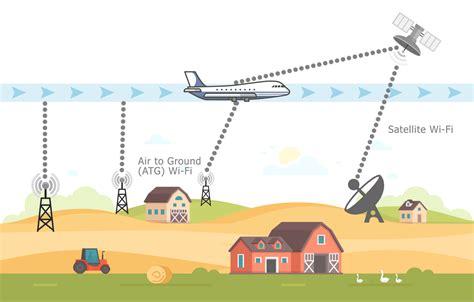
Starlink’s low-Earth-orbit satellite architecture offers significantly lower latency and higher bandwidth than traditional geostationary systems. Coverage over oceans and remote regions is a major advantage, particularly for long-haul carriers and premium travelers demanding reliable connectivity.
However, hardware and integration costs remain a sticking point. Airlines must install specialized antennas, radomes, onboard networking infrastructure, and cabin Wi-Fi systems. Maintenance and certification requirements add ongoing expenses. For low-cost carriers that compete on fare price down to the euro, these costs can erase margin advantages.
Passenger Expectations Are Outpacing Airline Economics
Modern travelers expect uninterrupted connectivity, even on short flights. Streaming, messaging, and real-time productivity have become baseline expectations rather than luxuries. Airlines risk falling behind competitors if they fail to offer connectivity, but they also risk eroding profitability if costs exceed revenue potential.
Some carriers monetize Wi-Fi through subscriptions or premium access tiers, while others bundle it into fares to enhance brand perception. Low-cost airlines must decide whether connectivity is a revenue generator, a marketing tool, or an unavoidable cost of doing business.
Competitive Pressure From Alternative Connectivity Providers
Starlink is not the only player in the aviation connectivity market. Multiple satellite and air-to-ground providers are competing aggressively, promising lower costs, lighter equipment, and improved reliability. As competition intensifies, pricing pressure is likely to increase, potentially tipping the economics in favor of adoption.
Industry analysts suggest that the real inflection point will come when equipment weight drops and installation costs fall dramatically. Until then, airlines like easyJet are content to observe rather than commit.
Timing Over Technology: easyJet’s Strategic Patience
easyJet’s stance is not a rejection of satellite Wi-Fi as a concept, but a statement about timing. The airline is evaluating multiple providers and monitoring technological developments, waiting for a cost structure that aligns with its operational philosophy.
This strategy mirrors a broader pattern in aviation: early adopters validate technology, while cost-focused carriers wait for second-generation systems that are cheaper, lighter, and easier to integrate. The same pattern occurred with composite materials, advanced avionics, and cabin innovations.
The Future of Free In-Flight Wi-Fi in Budget Aviation
Despite current reluctance, industry leaders—including Ryanair—have acknowledged that free in-flight Wi-Fi is likely within the next few years. Advances in antenna design, satellite capacity, and manufacturing scale could reduce costs enough to make connectivity viable for low-cost fleets.
As satellite constellations expand and competition drives down pricing, the economics will shift. Airlines that delay today may deploy rapidly once the tipping point is reached, leveraging mature technology without paying early-adopter premiums.
Strategic Implications for the Airline Industry
The easyJet decision highlights a broader strategic tension in aviation: balancing innovation with cost discipline. Connectivity is becoming a core passenger expectation, yet profitability remains the ultimate constraint. Airlines must decide whether to lead, follow, or wait.
For Starlink and its competitors, convincing low-cost carriers will require more than technical superiority. The battle will be won on weight, drag, certification simplicity, and total lifecycle cost. For airlines, the decision will hinge on whether connectivity can drive ancillary revenue, loyalty, or competitive differentiation.
In the near term, premium airlines and long-haul operators will continue leading adoption, while budget carriers cautiously evaluate the market. In the longer term, satellite Wi-Fi is poised to become ubiquitous, transforming the cabin into a fully connected digital environment.
easyJet’s rejection is not a verdict on Starlink’s technology—it is a reminder that in aviation, innovation travels at the speed of economics.