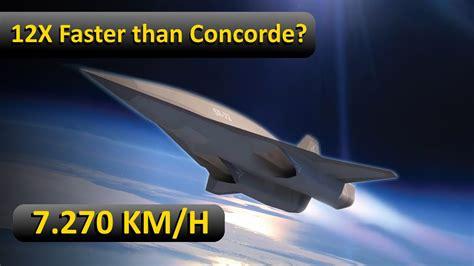
In a world driven by technological innovation and the relentless pursuit of speed, the skies have become a competitive arena where only the fastest aircraft reign supreme. As we enter 2025, a new era of aviation performance unfolds, not just among military or experimental jets, but within the realm of passenger aircraft as well. These extraordinary machines push the boundaries of engineering, blending luxury, efficiency, and velocity.
While most commercial jets cruise at subsonic speeds, a few exceptional aircraft stand out with Mach-bending performance, redefining global air travel. This article ranks the top 10 fastest planes in the world currently available or in development, based on confirmed top speeds.
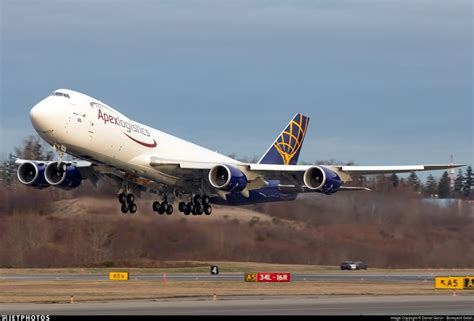
10. Boeing 747-400 – 1,056 km/h (656 mph)
Once hailed as the Queen of the Skies, the Boeing 747-400 was the most iconic long-range airliner of its generation. Developed during the late 1980s, it combined extended range with unprecedented capacity and a top speed that still competes with modern jets.
Despite its age and retirement from most fleets, it remains a technical marvel, having been used by major airlines such as British Airways and Qantas for transoceanic flights. Its speed of 1,056 km/h made it a staple for high-efficiency international routes.
9. Boeing 777 – 1,098 km/h (683 mph)
The Boeing 777 series, especially the 777-300ER and 777-9X variants, blends twin-engine efficiency with long-range capabilities. Introduced in 1995, its continued popularity is a testament to its aerodynamic design, robust performance, and capacity to hold over 500 passengers.
At Mach 0.89, it remains a vital component in airline fleets such as Emirates, United, and Qatar Airways. With ongoing production of newer models, the 777 continues to serve long-haul destinations around the globe at competitive speeds.

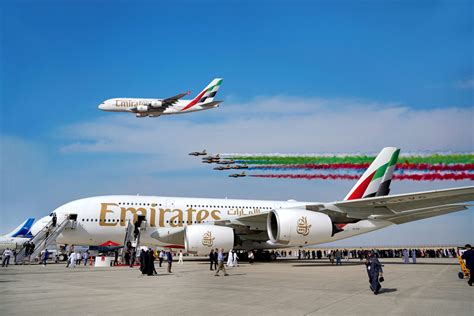
8. Airbus A380 – 1,098 km/h (683 mph)
The Airbus A380 is a feat of scale and elegance. As the largest passenger aircraft ever built, its two full-length decks accommodate over 800 passengers. Yet, despite its immense size, the A380 can match the speed of smaller wide-body jets.
With a top speed of 1,098 km/h, this engineering marvel proves that size doesn’t have to compromise performance. Though production ceased in 2021, it remains active in fleets of Emirates and Singapore Airlines.
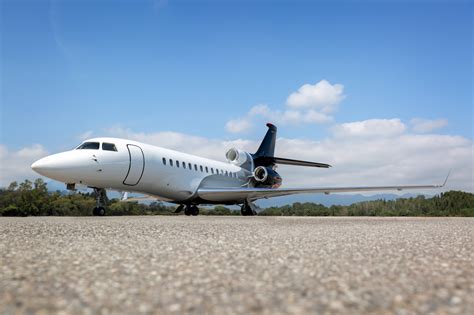
7. Dassault Falcon 7X – 1,111 km/h (690 mph)
The Dassault Falcon 7X is a high-speed business jet boasting trijet propulsion, a rarity in modern aviation. With three Pratt & Whitney engines, it achieves superior climb performance and fuel efficiency at high speeds.
Designed for executives and state leaders, it offers intercontinental range with luxury accommodations. The central engine placement and fly-by-wire control systems reflect the cutting-edge design that sets this jet apart in the business aviation sector.
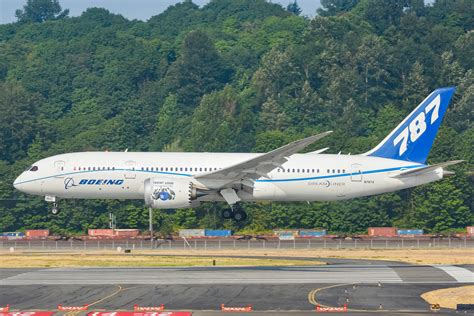
6. Boeing 787 Dreamliner – 1,111 km/h (690 mph)
With a composite airframe, advanced aerodynamics, and next-gen engines, the Boeing 787 Dreamliner redefined what a long-haul jet could be. Designed for fuel efficiency and cabin comfort, it also delivers surprising velocity.
Capable of 1,111 km/h, this twin-aisle aircraft is widely used across continents, making global travel smoother and quicker. Its environmental efficiency does not come at the cost of speed, allowing airlines like ANA, American, and LATAM to fly faster, greener, and farther.
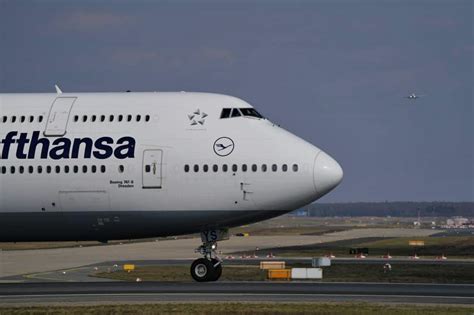
5. Boeing 747-8i – 1,136 km/h (706 mph)
As the latest and final evolution of the 747 family, the Boeing 747-8i combines the classic silhouette with modern propulsion. At a top speed of Mach 0.92, it is the fastest large commercial airliner in operation today.
Its extended fuselage and improved wing design support a longer range and higher payload. Two of these jets are currently being modified for Air Force One, cementing their legacy in both commercial and governmental aviation.
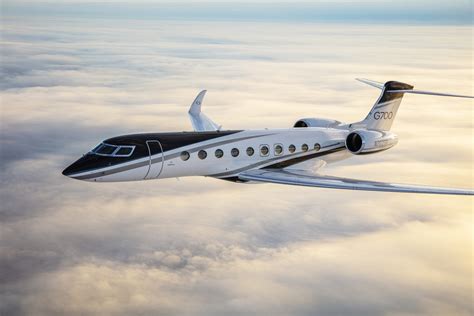
4. Gulfstream G700 – 1,142 km/h (709 mph)
A pinnacle of business jet luxury and performance, the Gulfstream G700 combines range, speed, and altitude like few others. With a maximum cruising altitude of 15,545 meters, it operates well above commercial lanes and adverse weather.
Capable of sleeping 10 and hosting 19 passengers, the G700 blends performance with VIP comfort. The $80 million jet embodies everything Gulfstream is known for: innovation, prestige, and raw capability.
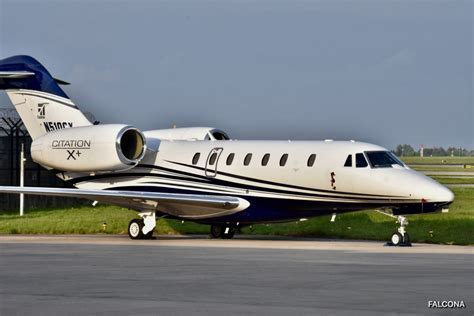
3. Cessna Citation X+ – 1,154 km/h (717 mph)
The Citation X+, introduced in 2012, took the popular Citation X platform and refined it with more powerful engines and better avionics. Despite having a shorter range than some competitors, it stands out with its incredible Mach 0.935 performance.
It remains one of the few certified civil aircraft able to challenge the transonic barrier regularly, earning its place among elite jets. Only 29 units were produced, making it a collector’s aircraft for aviation enthusiasts.
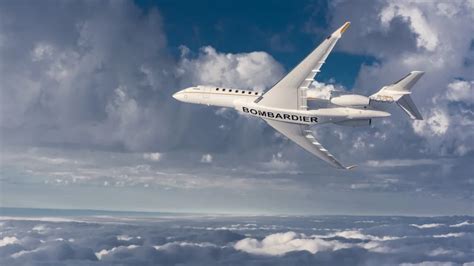
2. Bombardier Global 8000 – 1,160 km/h (721 mph)
Expected to enter service in 2025, the Bombardier Global 8000 is designed for executives who demand range and speed. Able to travel 14,816 kilometers non-stop, it surpasses its predecessor, the Global 7500, with a top speed of Mach 0.94.
Its advanced aerodynamic shape and high-efficiency engines make it a rival to supersonic prototypes. It combines luxury with performance, setting new benchmarks in ultra-long-range business travel.
1. Virgin Galactic SpaceShipTwo ‘Unity’ – 3,704 km/h (2,301 mph)
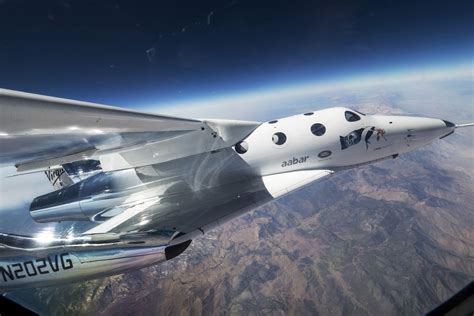
Topping the list is not a traditional aircraft, but a suborbital spaceplane. The Virgin Galactic VSS Unity shattered the aviation norm by flying at Mach 3, climbing to nearly 90 km above Earth.
Launched from its mother ship, White Knight Two, Unity ignites its rocket engine mid-air, soaring into the edge of space. Though it only carries six passengers for a brief 90-minute experience, it is the fastest commercially accessible aircraft to date.
Its success marks the dawn of commercial space tourism, bridging aviation and astronautics in one vehicle.
FAQs About the Fastest Planes in the World
What is the fastest passenger aircraft currently in regular service?
The Boeing 747-8i, with a top speed of 1,136 km/h (706 mph), holds the title for the fastest large-scale commercial aircraft currently in regular passenger service. It is faster than newer jets like the Boeing 787 or Airbus A350.
How fast is Virgin Galactic’s SpaceShipTwo compared to traditional jets?
The Virgin Galactic SpaceShipTwo Unity reaches speeds of 3,704 km/h (Mach 3), which is over three times faster than the next fastest business jet, the Bombardier Global 8000. However, it is used for suborbital space tourism, not regular air travel.
Are any supersonic airliners coming soon?
Several companies, including Boom Supersonic and NASA’s X-59, are developing next-generation supersonic passenger aircraft. These could cruise at speeds above Mach 1.4, though certification and commercial use are still years away.